Quiet-room competitive player
You play tactical multiplayer games beside someone who is sleeping, studying or resting. You need to hear positional cues without relying on higher playback volume.


Start with a closed-back over-ear headset and check leakage information if keeping game audio from disturbing someone nearby is the priority. Then look for a boom microphone suited to quiet callouts and a connection that works with your exact gaming device. Active noise cancellation may reduce noise you hear from the room, but it does not establish how much game audio escapes the headset.
You play tactical multiplayer games beside someone who is sleeping, studying or resting. You need to hear positional cues without relying on higher playback volume.
You keep your voice down in the bedroom but still need teammates to understand short directional callouts, even with keyboard or fan noise nearby.
You move between a PC, console, handheld or phone. The exact headset version and the connection available on each device matter more than a general multi-device label.
For a shared bedroom, check sound leakage and fit before weighing microphone features, positional-audio settings and wireless convenience.
| Concern | Buying checks | Who this matters to |
|---|---|---|
| Sound containment | Look for a closed-back over-ear design and leakage or isolation measurements for the model; fit and playback volume still matter. | If someone is resting beside me, I want to hear game cues without turning up the volume and letting sound escape. Around 36% of consumers put sound containment first. |
| Quiet callouts | Check for a directional or stated noise-reducing boom mic and an accessible mute control. | When I speak softly over keyboard or fan noise, my teammates still need to understand a brief position callout. Clear quiet-voice communication is the main concern for around 29% of consumers. |
| Positional cues and connection | Confirm the gaming connection and exact platform version; check whether desired audio settings work on that device. | For tactical play, I need useful directional cues through a connection that works with my gaming device. Around 21% of consumers prioritise that combination. |
| Comfort and device flexibility | Consider fit, including glasses if relevant, and check battery claims by connection mode and compatibility with each intended device. | If I play for longer sessions or change devices, I need a headset I can wear comfortably and connect as intended. Those practical needs come first for around 14% of consumers. |
Active noise cancellation addresses noise heard by the wearer; it does not demonstrate low sound leakage to a bedroom-mate.
Check the enclosure and model-specific leakage information separately, and keep playback volume moderate.
Wireless transmitters and headset variants can differ in how they connect, so a broad compatibility label may not cover the gaming and chat mode you intend to use.
Match the full product name and supported connection method to your exact PC, console, handheld or phone before ordering.
Background noise, microphone position, voice level and the chat app all affect whether teammates understand quiet callouts.
Check the boom mic and mute controls, then try a short call in your usual chat app at your normal evening voice level.
A rechargeable headset is electrical waste, and its battery needs appropriate disposal.
GOV.UK advises taking electrical products to an appropriate recycling collection point; follow the relevant battery-disposal instructions too.
The Stealth 600 Gen 3 line is worth examining if you want wireless gaming and a flip-to-mute boom mic.
The Arctis Nova 5 Wireless line may interest players who want adjustable game-audio presets and USB-C-dongle connectivity.
The BlackShark V3 Pro is a feature-led option to examine when incoming room noise and microphone directionality are priorities.
The Cloud III S Wireless line brings a detachable boom mic and multiple stated connection methods into consideration.
These headsets offer different wired and wireless approaches to team callouts. For shared-bedroom use, check sound leakage and your exact device connection alongside the features named for each model.
 No image available
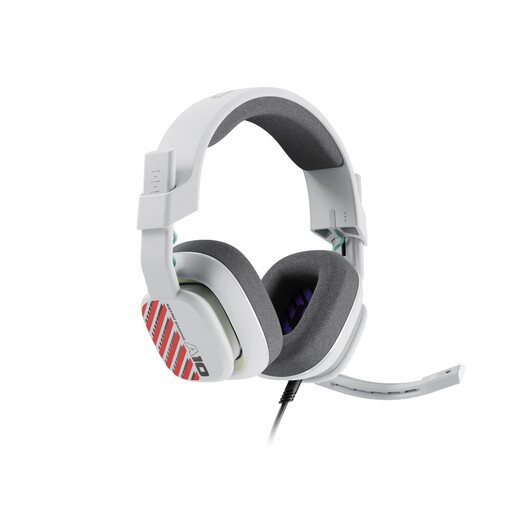
Consider this wired model if a shared-room headset with a boom mic is your priority. Check that its 3.5 mm connection and cable arrangement suit your device, and assess leakage rather than assuming the enclosure will keep gameplay inaudible nearby.
 No image available
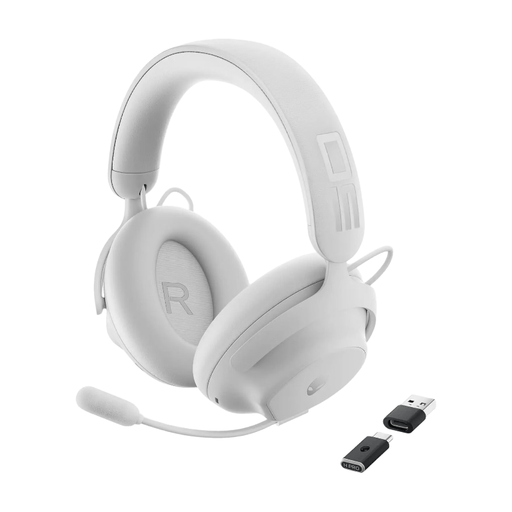
This wireless model may suit players concerned about background noise during callouts. Confirm which connection mode supports gaming and chat on your platform; noise cancellation does not establish whether someone else in the bedroom will hear your game.
 No image available
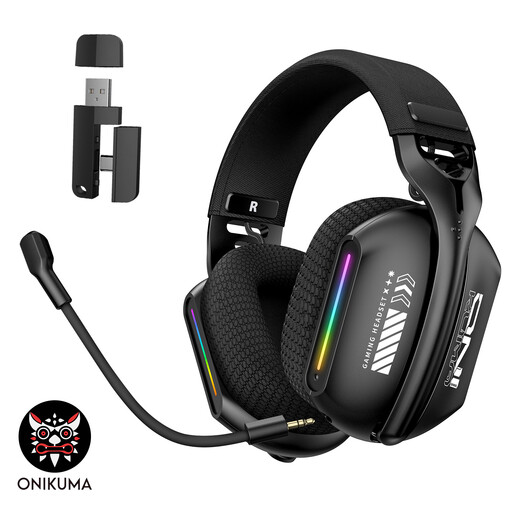
The stated 2.4 GHz wireless option makes this a model to consider if you want a gaming connection alongside other modes. Check which mode works with your device, as well as battery duration and leakage, before choosing it for a shared bedroom.
 No image available
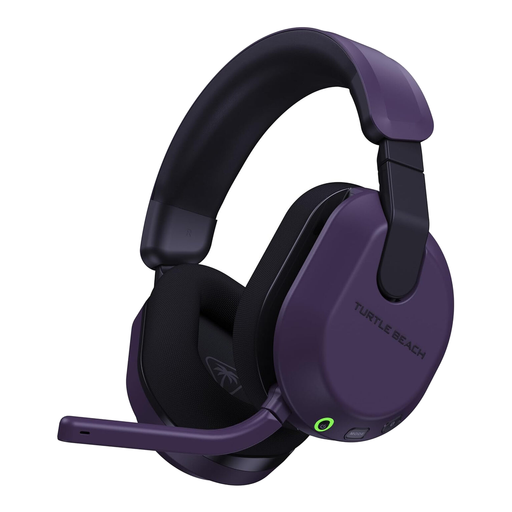
This Xbox and PC variant is relevant if microphone noise handling matters during quiet callouts. Check leakage separately. If you intend to use it with PlayStation, confirm that its stated Bluetooth-only connection there supports the gaming and chat features you need.
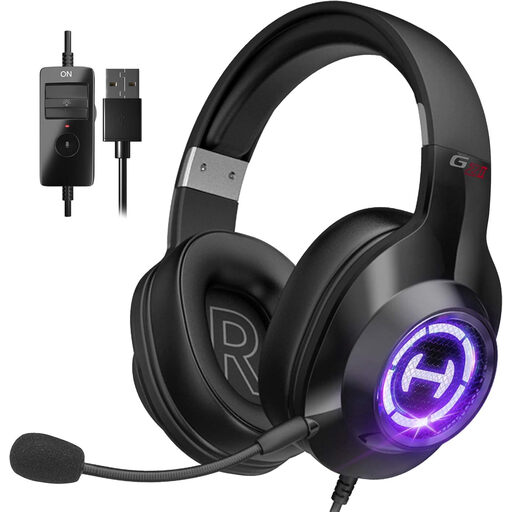 No image available
This USB wired option may suit PC or PS4 players who prefer not to manage a wireless connection. Its title lists 7.1 surround sound and a 50 mm driver; check leakage for shared-room use. The listing says it is not for Xbox, and PS5 use should be confirmed before ordering.
No: active noise cancellation does not, by itself, establish low outward sound leakage. For shared-room play, look at the headset's enclosure, fit and model-specific leakage information, and avoid relying on higher volume to hear cues.
Yes, a directional or stated noise-reducing boom mic is worth considering when keyboard or fan noise may compete with your voice, but the feature cannot guarantee clear callouts in your room. Position the mic properly and try it in your usual voice-chat app at your normal speaking level.
No; support depends on the precise headset variant and connection method. Match the product's platform list and the mode used for both game audio and chat to your device before ordering.
Take the electrical headset to an appropriate recycling collection point rather than putting it in household rubbish, as GOV.UK advises for electrical products. Follow the relevant instructions for its battery, including separate collection if it is removable.