Players sharing a bedroom
If someone nearby is sleeping, studying or relaxing, sound leakage matters alongside how much room noise reaches you. RTINGS describes isolation as covering both directions; the fit of the earcups affects the result.


Start with a closed-back, over-ear gaming headset if you want to contain game audio while someone else shares the bedroom. The ear-cup seal and listening volume still matter: then weigh that shared-room need against long-session comfort and a connection that works with your gaming device and chat setup.
If someone nearby is sleeping, studying or relaxing, sound leakage matters alongside how much room noise reaches you. RTINGS describes isolation as covering both directions; the fit of the earcups affects the result.
For extended exploration, dialogue and party chat, consider headset weight, padding and pressure around your ears. A comfortable fit is personal, and lighter construction does not by itself establish good isolation.
If you use a PC and a console, or share a headset, check the connector, controller port and microphone connection for each setup before choosing a model.
For a shared bedroom, consider sound containment first, then decide how much weight to give extended wear and your device connections. No passive headset makes loud audio inaudible to everyone nearby.
| Concern | What to check | Who this matters to |
|---|---|---|
| Sound containment | Look for closed-back earcups and stated passive isolation; assess the seal and keep listening volume moderate. | If someone is resting beside me, I want game audio to stay as contained as possible without shutting out every room sound. Around 42% of consumers would make containment their primary concern. |
| Long-session comfort | Consider stated weight, padding and how the earcups fit, especially if you wear glasses. | Long stretches of dialogue and exploration make headband and ear-cup pressure important to me. Comfort would come first for roughly 33% of consumers. |
| Connection and chat | Match the connector and microphone to your device, controller port and exact headset variant. | When I move between gaming devices, I need a connection that lets me play and use party chat on my setup. About 25% of consumers would prioritise connection and chat. |
Fit and listening volume affect leakage. In its review of the closed-back Logitech G335, RTINGS reported poor noise isolation and relatively high leakage.
Use closed-back construction as a starting point, then consider model-specific isolation information and how the earcups seal on your head.
Xbox Support says a standard 3.5 mm headset connects directly to an Xbox Wireless Controller that has a 3.5 mm port; that condition matters when selecting a wired model.
Check your actual controller or device port and whether the headset’s microphone will work with your intended chat setup.
A controller without the expected port may call for a suitable adapter.
A seal that reduces distractions is not a reason to listen louder for longer. Royal Free London NHS Foundation Trust advises keeping headphone volume to no more than 60% of maximum and taking regular breaks.
Use a comfortable listening level and take breaks during extended sessions.
Those features do not establish whether a headset fits comfortably, contains audio or connects to your chat device.
Check fit, microphone controls and the exact platform connection before treating sound-feature labels as deciding factors.
The wired BlackShark V2 X range is relevant when passive isolation is a leading shared-room requirement.
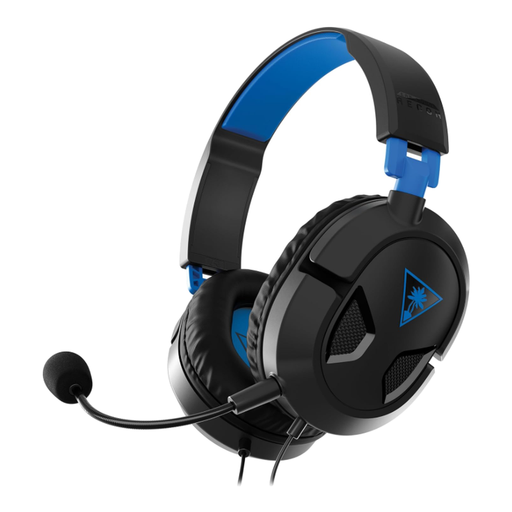
The Recon 70 is a wired option to consider when you need a 3.5 mm connection across gaming devices.
The wired Arctis Nova 1 is relevant to players considering a closed-back headset with a 3.5 mm connection.
The wired Cloud III is worth considering if padding and a detachable microphone matter to you.
The wired G335 is relevant if low stated weight is more important to you than room isolation.
These headsets offer wired gaming choices for the shared-bedroom scenario. Compare their connection and fit with your own setup; a model’s design or isolation claim alone cannot tell you how much sound another person will hear.
 No image available
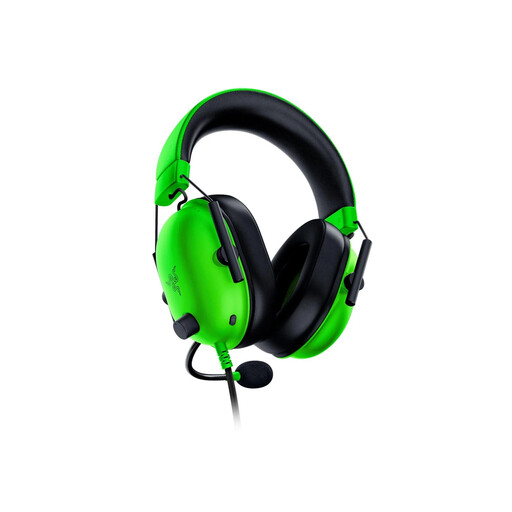
Consider this model if closed earcups are your starting point for keeping game audio contained in a shared room.
The Joybuy description identifies this Green and Black variant as a wired, closed-cup headset with a 3.5 mm connection and an approximate weight of 240 g. Fit and volume will affect how much sound reaches someone nearby.
 No image available
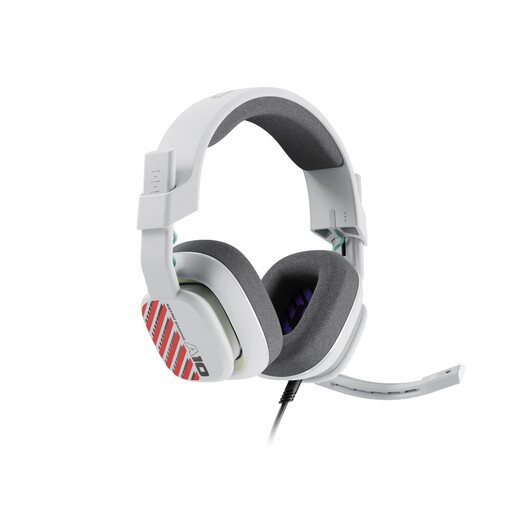
For wired gaming and chat, check how this headset fits around your ears if sound containment is important in your bedroom.
Confirm the connection on your device or controller and whether your PC setup needs a splitter.
 No image available
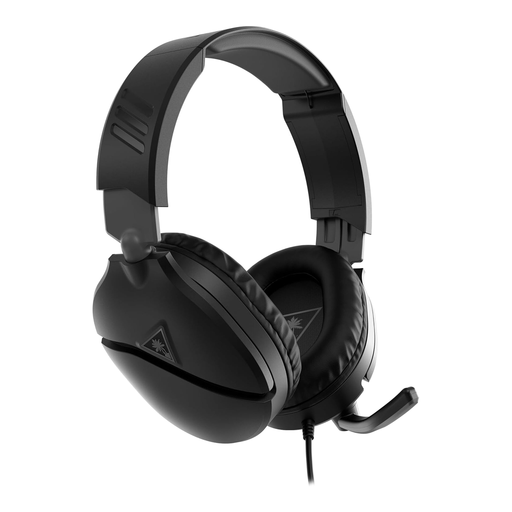
This model suits players looking for wired game audio and a chat microphone across compatible devices.
Turtle Beach describes the Recon 70 as a 3.5 mm headset with a flip-to-mute microphone and noise-isolating cushions. Confirm your device’s port, then consider the ear-cup fit and listening volume in your shared room.
 No image available
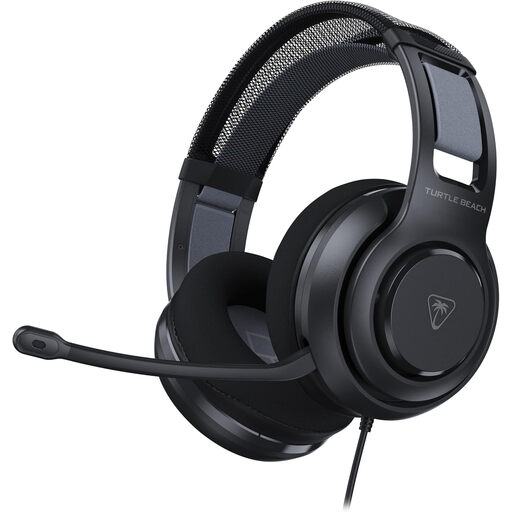
If you wear glasses during longer gaming sessions, pay particular attention to how the cushions sit against your frames.
Check the connection for your console or PC and assess ear-cup fit and sound containment before relying on this model in a shared bedroom.
 No image available
For wired PlayStation sessions with chat, check that the headset connection meets your controller and microphone needs.
If limiting disturbance is the priority, assess its fit and sound leakage rather than assuming wired play will keep audio contained.
Start with a closed-back over-ear headset if limiting sound leakage and room distractions is your priority. RTINGS explains that isolation covers both outside noise and audio escaping into the room, but the ear-cup seal and your listening volume affect the result.
A standard 3.5 mm headset can connect directly if your Xbox Wireless Controller has a 3.5 mm port, according to Xbox Support. Check your controller and the headset’s microphone connection before buying; do not assume every Xbox setup has the same port.
Use a comfortable level rather than raising the volume to overcome room noise, and take listening breaks. Royal Free London NHS Foundation Trust advises no more than 60% of maximum headphone volume, no more than an hour of use at a time and a break of at least five minutes each hour.