Players with few desk sockets
If you cannot readily power a separate monitor and other desk equipment, decide whether playing on a laptop’s built-in screen would make the setup simpler. You will still need to account for its charger.


Choose a gaming laptop if using its built-in screen matters more than desktop expansion: it can remove the need for a separately powered monitor, though the laptop still needs a charger. Choose a compact or conventional desktop if you want a separate monitor and have room to power the full setup safely. For ranked strategy play, compare the recommended requirements of your actual games with each configuration before paying for a higher graphics tier.
If you cannot readily power a separate monitor and other desk equipment, decide whether playing on a laptop’s built-in screen would make the setup simpler. You will still need to account for its charger.
If voice chat, browser tabs, guides or replay tools run alongside your game, compare memory, storage and connection options as well as graphics. Age of Empires Support lists 16 GB RAM in its recommended specification for Age of Empires IV, but your other games and applications may differ.
If you already want a separate monitor and expect to change memory or storage later, a desktop may suit your plans. Check the exact model’s upgrade options, physical fit and complete power setup before choosing one.
Choose it when: You are comfortable playing on the built-in screen and want fewer separately powered desk devices.
Trade-off: It still needs its charger for plugged-in use; check the exact model’s screen and upgrade options rather than assuming desktop components have a laptop equivalent.
Choose it when: You want a separate monitor and desktop format but have limited space for the PC itself.
Trade-off: A smaller case does not remove the monitor’s power connection or guarantee room for every future upgrade.
Choose it when: A separate monitor and a larger PC are acceptable, and future component access matters to you.
Trade-off: Allow space for the case and monitor, and plan how both will be powered. Confirm upgrade options for the precise configuration.
| Concern | What to check | Who this matters to |
|---|---|---|
| Ranked-play workload | Compare the exact processor, RAM, graphics and storage with the recommended requirements of your games; account for applications you run at the same time. | I need the match and my background applications to run together, rather than buying to a game’s minimum specification. Around 36% of consumers put this workload first. |
| Sockets and desk space | List every mains-powered device, then check its rating against the extension device’s marked limit. Decide whether you can use a laptop’s own screen instead of an external monitor. | With few sockets at my desk, I want to know whether the complete setup will fit and can be powered safely. For around 29% of consumers, that is the primary concern. |
| Network and peripherals | Check Ethernet, Wi-Fi and the ports needed for your intended mouse, headset, keyboard or external display on the exact model. | I need a workable connection for online matches and places to plug in the peripherals I use. Around 21% of consumers prioritise those connections. |
| Fit and expansion | Measure the PC location with room for ventilation, and confirm the exact configuration’s memory and storage upgrade options. | I would accept a larger setup if it gives me the component access I intend to use later. That is the leading need for around 14% of consumers. |
Age of Empires Support lists 8 GB RAM in the minimum specification for Age of Empires IV but 16 GB in its recommended specification. Neither figure alone describes every background workload or another game’s requirements.
Start with the recommended requirements for each game you play, then consider your intended display settings, voice chat, browser use and storage needs.
Electrical Safety First warns that exceeding an extension device’s maximum current rating can cause overheating and fire; connecting extension leads together can also overload the wall socket.
Do not connect one extension lead to another. Check the marked rating against the combined load, and consider a registered electrician if extensions routinely stand in for sufficient fixed sockets.
GPU configurations vary between laptops. A GIGABYTE A16 configuration in the product information specifies an RTX 5060 with an 80 W maximum GPU power; the name alone does not establish how another laptop or a desktop will perform.
Compare the exact laptop’s GPU power limit alongside its cooling, memory, display and ports.
A compact tower may fit the desk while its separate monitor and other powered equipment still need space and sockets. HP describes its OMEN 16L range as compact, but that does not describe the footprint of a complete setup.
Measure the PC and monitor locations, list the powered devices and check their combined load before choosing the layout.
Lenovo’s Legion Tower range is relevant if you want a conventional desktop with a separate monitor.
HP’s OMEN desktops include the compact 16L range and other desktop configurations, making case size a useful starting distinction.
ASUS offers both ROG towers and laptops, so the relevant choice starts with whether you want an integrated screen or a separate display.
A GIGABYTE A16 laptop configuration is relevant if you want a built-in display and the option of a wired network connection.
These gaming laptops offer built-in screens for players considering fewer separately powered desk devices. Compare their stated configurations with your games, then check the charger and any external equipment you intend to use.
 No image available
Consider this model if you plan to use a built-in screen rather than power a separate monitor.
The listed configuration has an AMD Ryzen 7 170, 16 GB RAM, a 1 TB SSD, GeForce RTX 5050 graphics and a 15.6-inch 144 Hz FHD display.
Check its charger and the combined load of any other powered equipment before using an extension device.
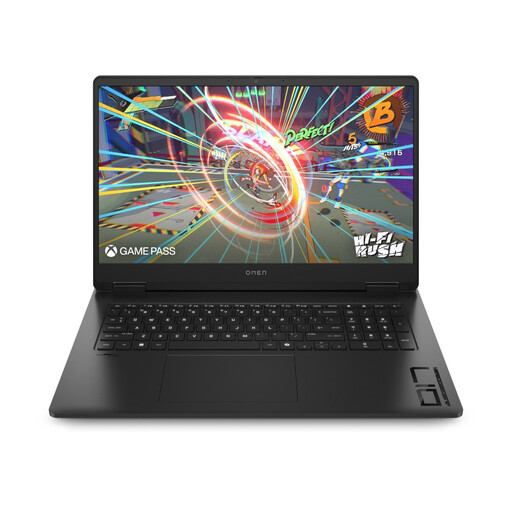 No image available
Consider its built-in 17-inch Full HD display if you want a larger laptop screen without adding a separately powered monitor.
The listed configuration has an AMD Ryzen AI 7 350, 16 GB RAM, a 1 TB SSD, RTX 5060 graphics and Windows 11 Home.
Check the exact charger and GPU power limit if those details affect your setup or comparison.
 No image available
Consider this 16-inch laptop if your game and background applications call for more memory and storage than the other listed configurations provide.
Its title specifies an Intel Core Ultra 9, 64 GB RAM, a 2 TB SSD, GeForce RTX 5090 graphics and Windows 11 Home.
Confirm the charger, network ports and GPU power limit for this exact variant before deciding whether it suits your setup.
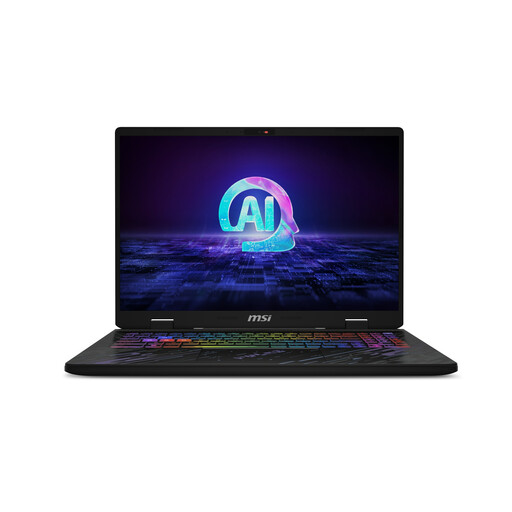 No image available
Consider its built-in display if you want to play without a separately powered monitor.
The title specifies a 16-inch QHD+ 240 Hz display, RTX 4060 graphics, 16 GB DDR5 RAM and a 1 TB SSD.
Confirm the exact processor and ports for the supplied configuration, along with its charger and GPU power limit.
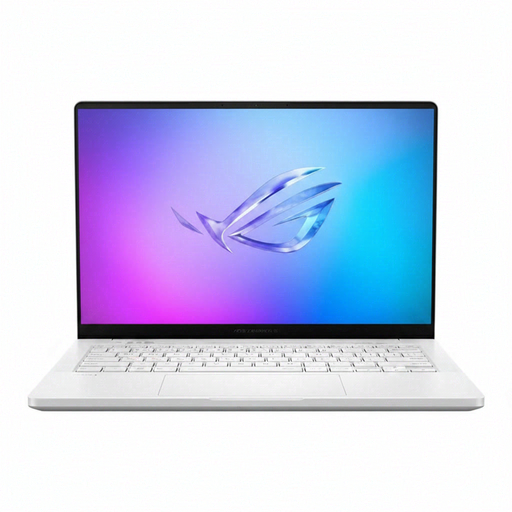 No image available
Consider its built-in 14-inch screen if that size suits how you play without an external monitor.
The title specifies a WQXGA+ display, AMD Ryzen AI 9 HX 370, 32 GB LPDDR5x RAM, a 2 TB SSD, GeForce RTX 5070 Ti graphics, Wi-Fi 7 and Windows 11 Home.
Check the charger, Ethernet options, port layout and GPU power limit if they matter to your setup.
They can only share it if their combined load, along with every other connected device, stays within the extension lead’s marked rating. Electrical Safety First warns against exceeding that rating or daisy-chaining extension leads; check the whole setup rather than counting sockets alone.
A laptop can remove the need for a separately powered monitor if you use its built-in display, but it does not remove the need to plan for its charger. Include any external monitor or dock when counting your powered devices.
It matches the RAM in Age of Empires IV’s recommended specification from Age of Empires Support, but it is not a guarantee for every game and set of background applications. Check the requirements of the titles you play and what you intend to run alongside them.
Check the warranty duration, service provider and return terms for the exact product and retailer. If you plan to upgrade memory or storage, also check how that work affects the applicable warranty coverage.