Choose a replaceable-AA wireless mouse if avoiding charging sessions matters most, or a rechargeable wireless mouse if you can charge from an available USB connection and prefer not to manage spare batteries. A wired mouse avoids battery management if you have a compatible computer port and do not mind its cable; whichever route you take, check the shape against your grip before prioritising headline sensor figures.
Who these choices suit
Wireless players with few spare sockets
If a shared setup has little spare mains capacity, wireless play without a charging dock may appeal. Compare the battery arrangement and how the mouse charges, rather than assuming wireless means maintenance-free.
Players who prefer swapping an AA battery
A replaceable-AA mouse suits someone who would rather keep a spare battery than plan charging sessions. Used batteries still need appropriate recycling; GOV.UK advises taking them to a collection point rather than putting them in household rubbish.
Players who put grip comfort first
During longer co-operative sessions, a shape that suits your palm, claw or fingertip grip may matter more to your choice than a headline DPI figure. SCAN identifies comfort as a particularly important consideration when choosing a gaming mouse.
What matters when choosing
Rechargeable wireless
Choose it when: You want room to move without a mouse cable and have an available USB connection for occasional charging.
Allow for: Charging sessions and, for a receiver-based connection, a computer USB port.
Replaceable-AA wireless
Choose it when: Avoiding a charging routine matters more than keeping spare batteries.
Allow for: Battery replacement and taking used cells to a recycling collection point.
Wired
Choose it when: You have a compatible computer port and want no mouse battery to charge or replace.
Allow for: A cable across the desk that may get in the way of broad mouse movements.
| Concern |
What to check |
Who this matters to |
| Power routine |
Check whether power comes from a replaceable AA battery or USB charging, and what connection charging requires. |
If charging is awkward in my shared setup, I want the least disruptive way to keep playing. Around 36% of consumers put the power routine first. |
| Desk space and ports |
Check for a 2.4 GHz receiver, an available computer USB port and Bluetooth support if you need that alternative. |
I want room for mouse movements without a cable across the desk, even if that means managing a battery. For around 29% of consumers, wireless desk space is the primary concern. |
| Grip and control |
Compare shape, dimensions and handedness with the way you hold your current mouse. |
During a long team session, I need a shape that feels manageable with my usual grip. Grip and control come first for around 21% of consumers. |
| Game commands |
Count the controls you would use for pings, communication or abilities, then assess their placement. |
If I regularly reach for team commands, I want buttons I can use without shifting my grip. Around 14% of consumers chiefly want accessible mouse-side commands. |
Buying pitfalls
-
Assuming wireless means no ports or charging
A 2.4 GHz receiver uses a computer USB port, while a rechargeable mouse still needs charging. Bluetooth avoids the receiver only if both the mouse and computer support it.
Count mains sockets and computer ports separately, then check the exact mouse’s connection modes, receiver and charging arrangement.
-
Choosing maximum DPI before shape
A sensor figure cannot tell you whether a mouse fits your hand. SCAN identifies comfort as a key difficulty in gaming-mouse selection.
Compare the shape, dimensions, handedness and button positions with your current grip before weighing sensor specifications.
-
Assuming more buttons always help
Extra controls are useful only if you can reach the commands you use without disturbing your grip or aim.
List the co-operative game commands you want on the mouse, then assess the side-button layout rather than button count alone.
-
Putting used batteries in household rubbish
GOV.UK advises that batteries and electrical products should go to appropriate collection points rather than household rubbish.
Take removable spent batteries to a battery collection point and use an electrical-waste route for an old mouse with a non-removable battery.
Brands to consider for these setups
Logitech G
Its G305 illustrates the replaceable-AA wireless route for players who prefer battery swaps to charging sessions.
- Logitech G specifies LIGHTSPEED wireless and 250 hours of battery life from one AA battery for the G305; actual runtime can vary with use.
- Keep a spare AA battery available and plan how to recycle used cells.
Razer
Its rechargeable wireless Viper and DeathAdder models offer different shapes to assess for shooter play.
- Razer specifies the Viper V3 Pro at 54 g with USB-C charging and up to 95 hours of battery life; it specifies the DeathAdder V3 HyperSpeed at 55 g with up to 100 hours.
- Those runtimes are manufacturer figures, and neither model’s shape establishes a fit for an individual grip.
SteelSeries
The Aerox 5 Wireless is relevant when mouse-side co-operative game commands matter alongside wireless use.
- SteelSeries specifies nine programmable buttons and over 180 hours of battery life; its support information says the included Type-C-to-Type-A cable permits wired use while charging.
- Assess whether the shell and button placement suit your usual grip before choosing it for extra controls.
Joybuy products for these setups
These models cover rechargeable wireless choices and one wired alternative for co-operative shooters. Compare their power arrangements and fit with your available ports; the list is not a substitute for choosing the connection route that suits your setup.
 No image available
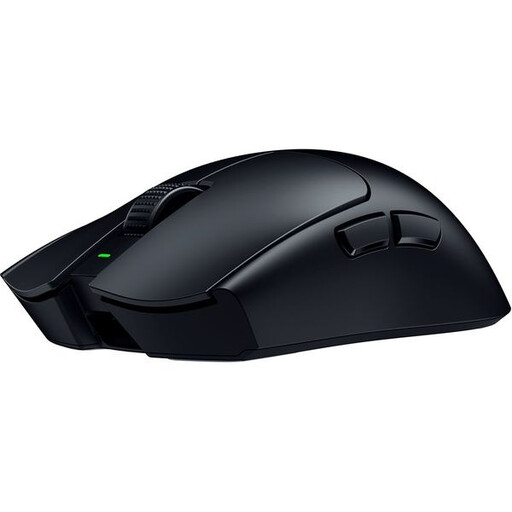
Razer Viper V3 Pro Wireless Gaming Mouse, Black
Consider this rechargeable wireless model if you want a lighter mouse and can charge over USB-C. Razer specifies 54 g and up to 95 hours of battery life; that upper limit is not a promise of runtime in every setup. Check that its shape suits your grip and that a USB port is available for the wireless receiver.
View on Joybuy
 No image available
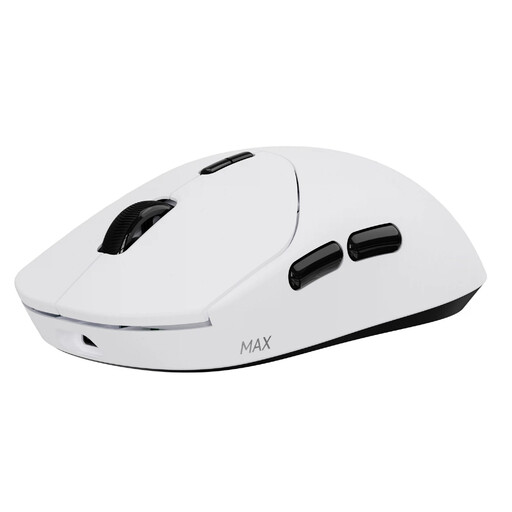
RAPOO VT2 MAX Wireless Gaming Mouse, White
Consider this model if you want wireless play and mouse-side controls for co-operative commands. Its product name specifies 53 g and ten programmable buttons. If long runtime is decisive, check the driver and low-power-mode requirements behind its stated up-to-750-hour figure at 1000 Hz; the wireless receiver also needs a computer USB port.
View on Joybuy
 No image available
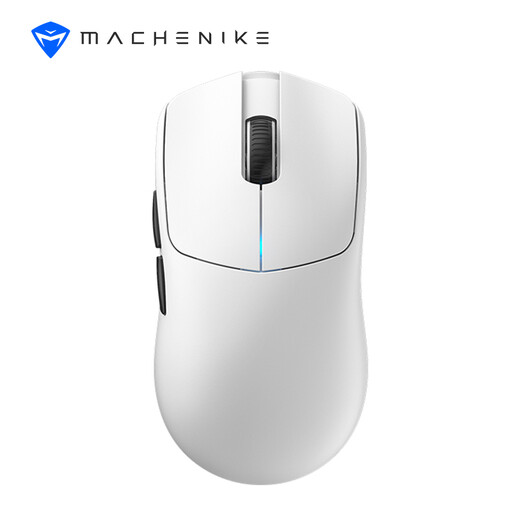
MACHENIKE L9X1 Wireless Gaming Mouse, 49 g
Consider this model if a light mouse with wired, 2.4 GHz and Bluetooth modes fits your setup. The product name specifies 49 g. Before choosing it to reduce charging interruptions, check its charging method and the conditions behind its stated runtime; 2.4 GHz receiver use also calls for a computer USB port.
View on Joybuy
 No image available
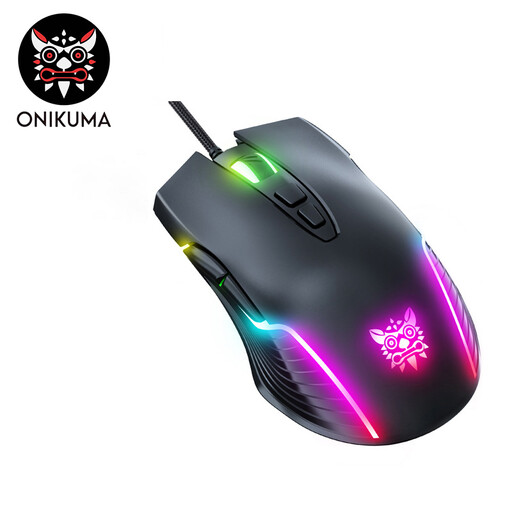
ONIKUMA CW905 Wired Gaming Mouse
Consider this wired alternative if avoiding mouse battery management matters more than keeping the desk cable-free. Check that its cable connector fits an available computer port, and assess whether its shape and button placement suit your grip and game commands.
View on Joybuy
 No image available
AJAZZ AJ159 APEX Wireless Gaming Mouse with Magnetic Charging Base
Consider this 56 g wireless model if a magnetic charging base suits your desk. Before choosing it for a socket-constrained setup, check how the base is powered and how long the mouse runs between charges. Confirm the exact connection modes and controls for this variant if either affects your choice.
View on Joybuy
Common questions
Will a wireless gaming mouse free up a mains socket?
It can avoid needing a mains socket while the mouse is in use, but a rechargeable model still needs a way to charge. A 2.4 GHz receiver generally uses a computer USB port; Bluetooth avoids that receiver only when the mouse and computer both support it. Check your available ports and the model’s charging arrangement.
Is a wired mouse a poor choice for co-operative shooters?
No: a wired mouse avoids charging and battery replacement if its connector fits an available computer port. Its practical trade-off is the cable across your desk, not an automatic performance disadvantage; SCAN notes that high-end wireless gaming mice can be competitive with wired models.
Should I choose an AA battery or USB-C charging?
Choose replaceable-AA power if avoiding charging sessions matters more than keeping and recycling spare cells. Logitech G specifies 250 hours on one AA battery for the G305. USB-C charging suits you if an existing USB connection is available and you prefer not to manage replaceable batteries; Razer states up to 95 hours for the Viper V3 Pro and up to 100 hours for the DeathAdder V3 HyperSpeed.
How should I dispose of a spent mouse battery or old mouse in the UK?
Take spent removable batteries to an appropriate battery collection point rather than putting them in household rubbish. GOV.UK also advises using an electrical-waste collection route for unwanted electrical products, including a mouse with a non-removable battery.


