Shortcut-heavy farm managers
Players who repeatedly use tools, menus or map commands and would rather keep more of those actions near their mouse hand. Button reach matters as much as the number available.


Choose a gaming mouse for farming simulations by the controls you can comfortably reach: a dense side-button panel suits frequent tool and menu shortcuts, while a less crowded layout with configurable scrolling may suit map and menu navigation. A large screen does not, by itself, call for a high-DPI setting; weigh grip, wheel behaviour and button placement before deciding whether wireless movement is worth managing a battery.
Players who repeatedly use tools, menus or map commands and would rather keep more of those actions near their mouse hand. Button reach matters as much as the number available.
Players who spend more time moving through maps, menus and lists than assigning a large bank of shortcuts. Wheel behaviour and a manageable control layout are their main considerations.
Players who value wireless desk movement and a comfortable grip during extended sessions, while accepting charging or battery replacement as part of using the mouse.
Start with the actions you want to move from keyboard to mouse, then consider how you navigate maps and menus. Compare grip and connection type once you know which controls need to be within reach.
| Concern | What to check | Who this matters to |
|---|---|---|
| Reachable shortcuts | Compare button positions, not just the total. Check thumb reach and how assignments are configured. | If I use tools and menus repeatedly, I want shortcuts I can press without losing my grip; around 40% of consumers put reachable controls first. |
| Map and menu scrolling | Check for tactile or free-spin scrolling and whether wheel-tilt inputs can be assigned commands. | When I move through maps and menus, I want a wheel that suits both deliberate steps and longer scrolls; this is the primary need for around 30% of consumers. |
| Grip and cable-free use | Assess hand fit, connection modes and the charging method or battery type. Read the conditions attached to any stated runtime. | For longer sessions, I would rather move the mouse without a cable, provided its shape suits my hand; roughly 30% of consumers prioritise that combination. |
A sensor's maximum DPI does not tell you whether the wheel, button placement or shape will suit your farming-simulation controls.
Check that you can set a comfortable cursor sensitivity, then compare the physical controls and remapping options you expect to use.
CORSAIR specifies a repositionable 12-button side panel on the SCIMITAR ELITE WIRELESS SE, but a dense thumb grid still has to suit your reach and willingness to learn it.
Compare the positions of the commands you will press most often. A smaller set of easier-to-identify buttons may suit you better than a larger grid.
Stated runtimes can depend on the connection mode and settings, including whether lighting is on.
Check the conditions for the mode you intend to use, along with the charging method or replaceable-battery requirements.
A model family can include different connection versions or bundles, which may change the controls or accessories you receive.
Before ordering, compare the full model and variant name, connection type and listed contents with the features you chose the mouse for.
These brand examples illustrate different control layouts for this decision; their stated features apply to the named models, not every mouse from each brand.
The SCIMITAR ELITE WIRELESS SE is relevant if many thumb-accessible farming-simulation shortcuts are your priority.
The Basilisk models are relevant if you prefer a right-handed shape and a less dense control layout.
The wired G502 X is relevant if a lighter stated weight and wheel controls matter more to you than wireless movement or a large thumb grid.
These choices cover wireless mice with assignable controls and a wired option for farming-simulation play. Compare each mouse's button reach and scrolling behaviour with the actions you intend to move onto it.
 No image available
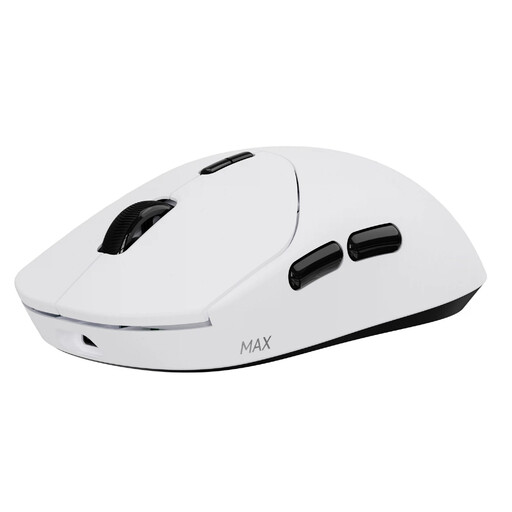
Consider this model if you want several assignments on a wireless mouse for repeated farming-simulation actions. Its title specifies 10 programmable buttons, macro support and a stated weight of 53 g. Check whether the button positions and wheel behaviour suit your hands and menus; the stated maximum battery runtime depends on a driver update and low-power settings.
 No image available
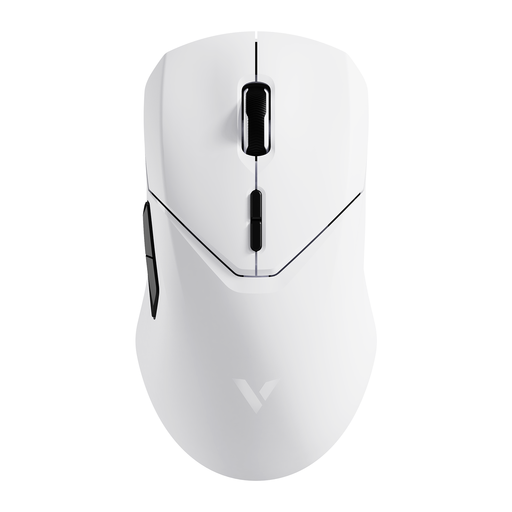
This is another wireless choice for assigning recurring tools or commands to the mouse. The title lists 10 programmable buttons, macro support and a stated weight of 53 g. Check the side-button reach and wheel modes before choosing it for map navigation; its stated maximum battery runtime also depends on a driver update and low-power settings.
 No image available
Consider this model if you want a wireless mouse with controls for recurring commands. Before choosing it, check where its programmable buttons sit, how its wheel scrolls and what software your intended assignments require. Check the applicable battery-runtime figure and conditions for the connection mode you plan to use.
 No image available
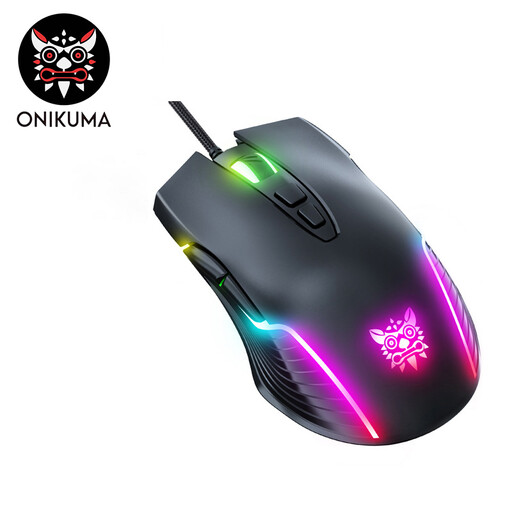
This model may suit you if switching between connection types matters alongside assigning mouse commands. Its title lists Bluetooth, 2.4G wireless and USB-C modes, plus a charging dock. Check the button positions and scrolling behaviour for your intended shortcuts, and confirm the correct weight if mouse mass affects your choice.
 No image available
Consider this wired model if you prefer not to manage a mouse battery while assigning repeated actions. Its title identifies programmable buttons and adjustable settings. Check which buttons you can reach comfortably and whether the wheel scrolls the way you need for maps and menus.
Not solely because the screen is large. For farming simulations, check that you can set a comfortable cursor sensitivity and that the wheel and buttons suit your map, menu and shortcut use; a sensor's maximum DPI is not a required playing setting.
Choose wired if avoiding charging matters more than cable-free movement; choose wireless if moving without a cable matters more to your desk setup. In either case, check grip and button reach, and for wireless models check the battery arrangement and conditions behind stated runtimes.
Not necessarily. Department for Business and Trade guidance for Great Britain recognises CE marking alongside or in place of UKCA marking where the relevant product requirements are met. That Great Britain guidance covers England, Scotland and Wales; check the applicable product information for a Northern Ireland delivery.
Contact the retailer and describe the fault, keeping your order record. GOV.UK's guidance on the Consumer Rights Act 2015 covers remedies for faulty goods; which remedy applies depends on the fault and the circumstances of the purchase, rather than being settled by a retailer's change-of-mind policy.
Check a local-authority or retailer electrical-equipment recycling route rather than assuming the mouse belongs in general household waste. UK government guidance on waste electrical and electronic equipment addresses the recovery, reuse and recycling of electrical products and components.