What matters when choosing
Check the connections available on your computer before weighing shortcut controls, power upkeep and grip fit.
Bluetooth-capable wireless
Choose it when: Your computer supports Bluetooth and preserving a USB connection matters.
Bear in mind: Bluetooth availability and battery arrangements depend on the exact mouse; the Razer Basilisk V3 X HyperSpeed, for instance, uses replaceable batteries.
2.4 GHz wireless
Choose it when: You can spare a receiver connection and want to work without a mouse cable across the desk.
Bear in mind: The receiver still uses connection capacity, and battery-life claims can differ by wireless mode.
Wired USB
Choose it when: A suitable USB port is available and you would rather avoid managing mouse batteries.
Bear in mind: The cable remains on the desk, so this route does not address a shortage of computer ports.
| Concern |
What to check |
Who this matters to |
| Editor shortcuts |
Check the number and placement of programmable controls, then whether the mouse software and map editor accept your intended bindings. |
If I switch tools and place assets repeatedly, I want commands I can reach without disrupting cursor control. Around 29% of consumers would put shortcut capacity first. |
| Connections and cables |
Check whether the exact model uses wired USB, a 2.4 GHz receiver or Bluetooth, and what your computer supports. |
With few usable connections, I want to know whether going wireless actually frees a port. Connection management would come first for around 29% of consumers. |
| Power continuity |
Check whether the mouse needs charging or replacement batteries, and compare stated runtime in the mode you plan to use. |
During a long editing session, I want to plan around charging or battery changes rather than a maximum runtime quoted for another mode. Around 24% of consumers would prioritise power continuity. |
| Grip and control |
Compare dimensions, weight and side-button reach against your usual grip; do not use a high DPI figure as a substitute for fit. |
When selecting small map objects for hours, I need a shape I can control without shifting my grip to press a button. Grip and sustained control would lead for around 18% of consumers. |
Joybuy product choices
These mice offer wired or wireless ways to equip a map-editing desk. Compare their stated controls and connection methods against the ports, shortcuts and power routine that matter to you.
 No image available
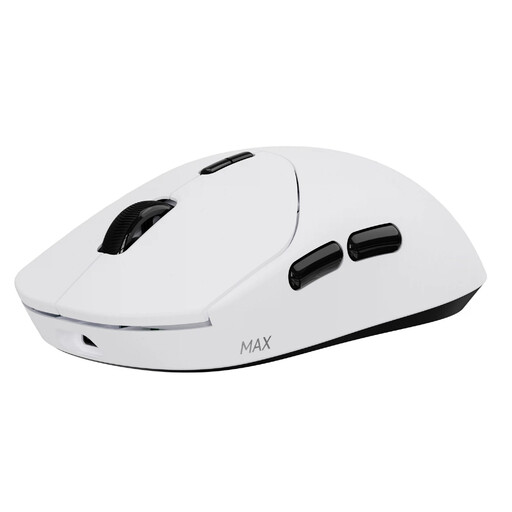
RAPOO VT2 MAX Wireless Gaming Mouse, White
Consider it if assigning frequent map-editor actions to mouse controls matters and you can accommodate its wireless receiver.
The product name lists 10 programmable buttons and a 53 g weight. Its up-to-750-hour battery claim applies to low-power mode at 1000 Hz with an updated driver; check runtime for the settings you intend to use.
View on Joybuy
 No image available
AJAZZ AJ200 AI MC Tri-Mode Gaming Mouse
Consider its Bluetooth, 2.4 GHz and USB-C connection options if you want to choose how the mouse fits a crowded desk.
For editor shortcuts, confirm which controls can be remapped. Also check the exact variant’s weight, battery runtime and whether the charging dock named in the product title is included.
View on Joybuy
 No image available
AJAZZ AJ159 APEX Wireless Gaming Mouse
Consider it for wireless map editing if custom mouse actions and a magnetic charging base suit your setup.
The product name lists a 56 g weight. Confirm the exact connection modes, DPI specification, programmable-button count and battery runtime before choosing this variant.
View on Joybuy
 No image available
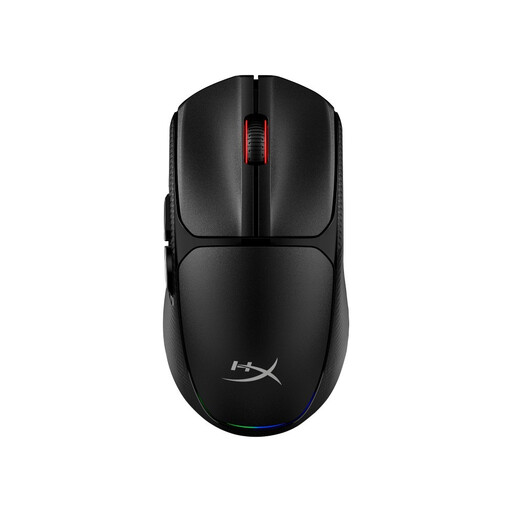
HyperX Pulsefire Fuse Wireless Gaming Mouse
Consider it if you want to work without a mouse cable and can spare a computer connection for its USB receiver.
If map-editor shortcuts are essential, check which controls can be remapped and whether the software supports the assignments you need. Check battery runtime for your intended use as well.
View on Joybuy
 No image available
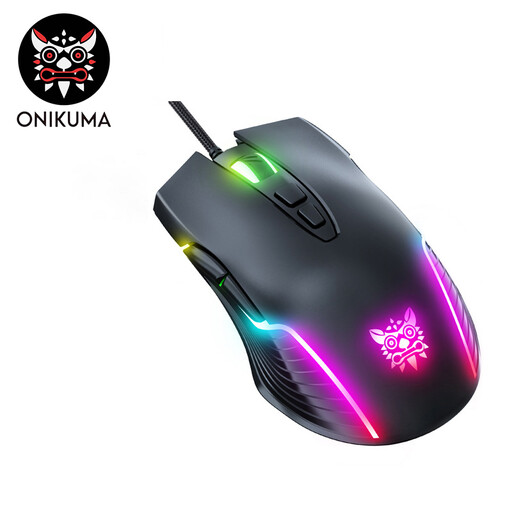
ONIKUMA CW905 Wired Gaming Mouse
Consider this wired option if a computer port is available and you prefer not to manage a wireless mouse battery.
It leaves a cable on the desk. If you rely on map-editor macros or remapped controls, confirm the CW905’s configuration options before buying.
View on Joybuy
Common questions
Is Bluetooth the right choice when computer connections are limited?
Bluetooth can preserve a USB connection if your computer and the exact mouse both support it. The Razer Basilisk V3 X HyperSpeed, for example, lists Bluetooth alongside its separate HyperSpeed wireless mode; do not assume every wireless gaming mouse offers both.
Do I need mouse software for map-editor shortcuts?
You may need the manufacturer’s software for advanced remapping and macros, but the mouse and your editor must both support the actions you intend to assign. Logitech G says G HUB configures macros, DPI and profiles for the G502 X LIGHTSPEED; check operating-system compatibility and your editor’s binding options before relying on a particular shortcut.
Can I plan around the maximum advertised battery life?
Plan around the connection mode and settings you will actually use, rather than a maximum quoted under different conditions. SteelSeries specifies up to 180 hours for the Aerox 5 Wireless via Bluetooth or High Efficiency Mode, but 80+ hours in default 2.4 GHz mode.
How do returns and warranties differ when buying a mouse online?
Changing your mind, receiving faulty or misdescribed goods, and claiming under a warranty are different routes. For England, Citizens Advice describes a 14-day cooling-off period for eligible online purchases, starting the day after delivery and subject to exceptions; check the seller’s return terms and postage arrangements. Citizens Advice also explains that warranties add to legal rights concerning faulty goods. Use guidance for the relevant nation elsewhere in the UK.
What should I do with an old gaming mouse?
Check local electrical-waste collection or retailer take-back arrangements when replacing it. GOV.UK explains that electrical and electronic equipment can include battery-powered products that are not connected to mains electricity, so a wireless design does not remove the need to consider an appropriate disposal route.


