Players who rely on frequent strategy commands
If you repeatedly use camera controls, unit-group commands or macros, consider whether the mouse puts the inputs you would actually assign within comfortable reach.


A wired mouse draws power through its computer connection and avoids mouse-battery upkeep, provided its cable works with your desk layout. Wireless choices allow cable-free movement, but a rechargeable mouse needs a usable USB charging route, while a replaceable-battery mouse needs a spare battery. For ranked strategy play, prioritise reachable programmable controls if you will assign frequent commands to them.
If you repeatedly use camera controls, unit-group commands or macros, consider whether the mouse puts the inputs you would actually assign within comfortable reach.
If convenient wall sockets are scarce, decide whether you can charge through an available USB connection or would rather keep a compatible replacement battery ready.
If avoiding both charging and battery changes matters more than cable-free movement, a wired connection is the straightforward route. Check where its cable will run across your desk.
Start by separating a shortage of wall sockets from a shortage of usable USB ports: rechargeable, replaceable-battery and wired mice place different demands on your setup. Then choose a control layout for the commands you expect to use.
| Concern | What to check | Who this matters to |
|---|---|---|
| Avoiding power interruptions | Check whether wireless power comes from USB charging or a replaceable battery, and how you would prepare before a match. | I want wireless movement without discovering mid-match that the mouse needs attention. Around 31% of consumers put avoiding charging or battery-change interruptions first. |
| Reachable command controls | Check the side-button and wheel layout against the commands you would assign, including the configuration software you need. | If I move repeated strategy commands off the keyboard, I need inputs my thumb can find reliably. For around 31% of consumers, command access is the primary concern. |
| Cable-free cursor movement | Check receiver and USB-port needs, then assess the mouse’s shape and stated weight for your grip. | I prefer an unobstructed mouse movement area during ranked play and can accommodate battery upkeep. Cable-free control comes first for around 23% of consumers. |
| No battery administration | Check the cable route from mouse to computer and whether it crosses your mousepad. | Rather than monitor charge or keep spare batteries, I would accept a cable throughout play. Around 15% of consumers chiefly want that battery-free routine. |
Manufacturer figures can depend on connection mode and use. Razer, for example, gives the Naga V2 HyperSpeed different maximum figures for HyperSpeed Wireless and Bluetooth.
Check the figure for the mode you intend to use, and have a charging route or compatible spare battery ready before ranked play.
More assignable controls offer more mapping options, but their placement may not suit your thumb or the number of commands you regularly use.
List the commands you would move from the keyboard, then assess whether you can distinguish and reach the corresponding controls.
Rechargeable mice need a charging route, while replaceable-battery mice require a compatible spare rather than USB charging. A wired mouse avoids battery upkeep but keeps a cable on the desk.
Identify whether your constraint is a wall socket, a USB port, cable routing or battery upkeep before choosing a connection type.
Oxfordshire County Council advises that electrical items should not go in general waste and that removable batteries should be recycled separately.
Check your local authority’s collection arrangements for the mouse and any removable battery.
The manufacturer’s PRO X SUPERLIGHT 2, G305 and wired G502 X illustrate different choices between wireless weight, replaceable-battery operation and wired controls.
The Naga V2 HyperSpeed and Basilisk V3 X HyperSpeed are manufacturer-documented wireless options with different numbers of customisable controls.
The Aerox 5 Wireless is a wireless option for players considering additional mouse-accessible commands without a large thumb grid.
These mice cover wireless choices with programmable controls, a replaceable-battery wireless option and wired choices for avoiding mouse charging. Compare each model’s controls and power routine with the way you set up for ranked matches.
 No image available
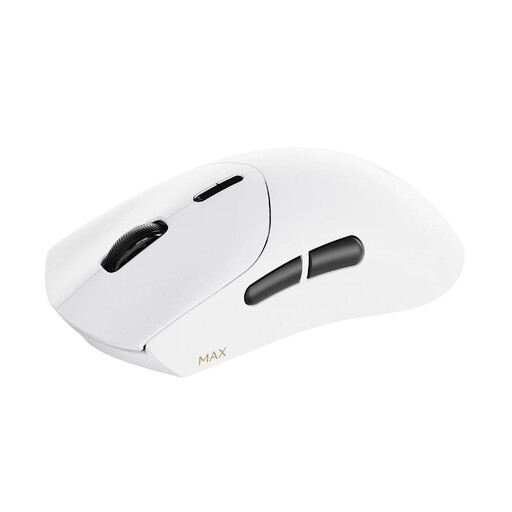
Consider this wireless model if you want mouse-accessible inputs for repeated strategy commands. Its title specifies 10 programmable buttons, a 53 g weight and true 8K wireless polling.
The stated battery life of up to 750 hours applies at 1000 Hz in low-power mode, which requires the latest driver. Plan for USB receiver access and charging rather than treating that maximum as a match-time guarantee.
 No image available
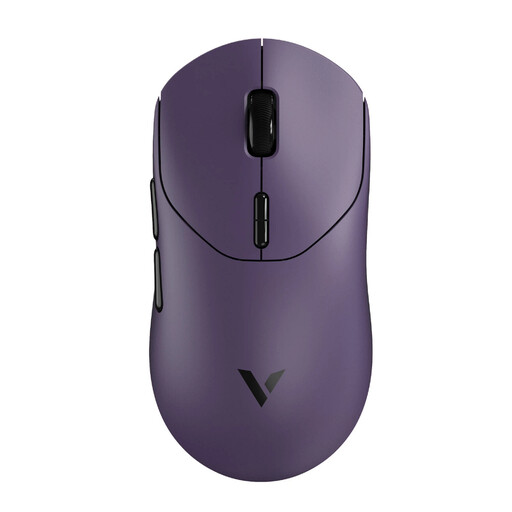
This wireless variant is worth considering if you plan to assign frequent commands to mouse inputs. Its title specifies 10 programmable buttons, a 53 g weight and true 8K wireless polling.
Its stated maximum of 750 hours applies at 1000 Hz in low-power mode and requires a driver update. Make room for the USB receiver and a charging routine.
 No image available
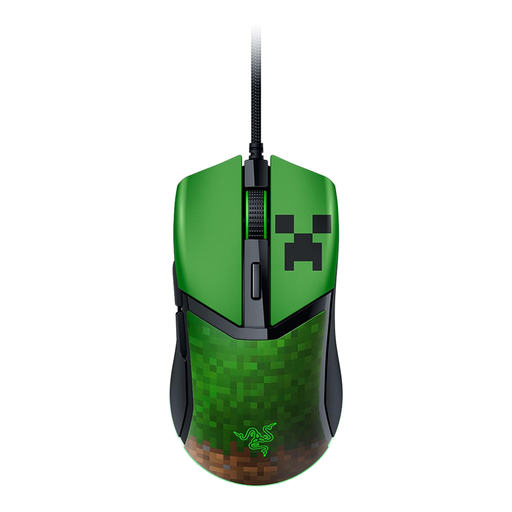
Consider this wired mouse if avoiding mouse charging matters more than cable-free movement. Check the cable route across your desk and whether the controls you want to assign are within comfortable reach.
 No image available
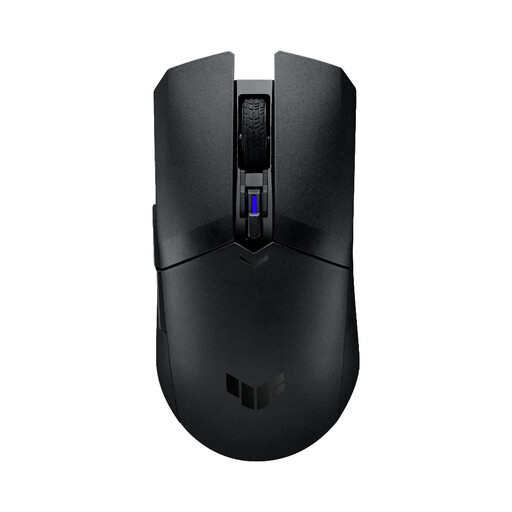
Consider this wireless choice if you prefer keeping a compatible replacement battery to scheduling a charge. Check the battery type and expected runtime for your intended connection mode; the stated 62 g weight excludes the battery and dongle.
 No image available
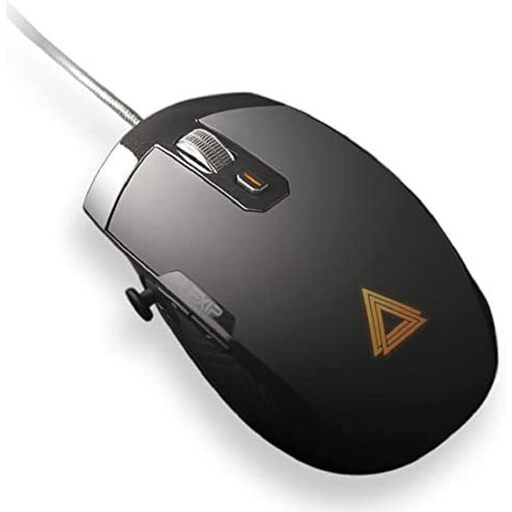
This wired option suits a setup where avoiding battery upkeep takes priority. Check whether its right-handed, dual-joystick layout fits your grip and commands; its configuration software is specified for Windows PC, so confirm compatibility if you use another system.
Not necessarily: a rechargeable mouse needs a usable USB charging route, which could be an available computer or hub port, while a replaceable-battery model avoids USB charging. Logitech G states that its G305 runs on one AA battery, with a stated run-to-die life of up to 250 hours; keep a compatible spare if you choose that approach.
Extra buttons are useful when you have repeated commands you can reach and remember reliably. SteelSeries specifies nine programmable buttons for the Aerox 5 Wireless, while Razer lists 21 programmable controls for the Naga V2 HyperSpeed; assess placement as well as count before assigning commands.
Use configuration software supported for your exact mouse model and computer. Logitech G documents DPI adjustment and assignments in G HUB; if profiles or macros are essential to your setup, check the model’s supported software and operating system before buying.
Use an electrical-waste collection route rather than putting the mouse in general waste. Oxfordshire County Council advises removing removable batteries and recycling them separately; check your local authority’s arrangements for where to take both items.