Choose for the surface you play on, the shape you can control and the settings you need—not on room brightness alone. A consistent, non-reflective mousepad is the starting point if your desk is glossy; after that, weigh low mouse mass and lift-off controls against wireless endurance. A higher polling-rate specification does not, by itself, establish better rhythm-game results.
Who is this for?
Fast-swipe rhythm players
If you make frequent broad movements, mouse mass may be worth comparing, but the shell still needs to feel controllable in your grip. Logitech G lists the PRO X Superlight 2 at 60 g, while Razer lists the Viper V3 Pro at 54 g; neither figure establishes how comfortable a mouse will be for your hand.
Players using reflective desks
If your desk is glossy or you notice tracking skips when lifting and resetting the mouse, start with a consistent, non-reflective pad. Logitech Support advises avoiding glass, reflective and very high-gloss tracking surfaces. Lift-off controls can then help you adjust how a particular mouse behaves during resets.
Long-session wireless players
If charging interruptions matter more to you than the highest listed polling-rate mode, compare battery claims alongside the conditions in which they apply. SteelSeries states up to 120 hours in 2.4 GHz mode for the Aerox 3 Wireless Gen 2; your chosen settings remain relevant to the buying decision.
What matters when choosing?
For rhythm games in a bright room, settle the playing-surface question before comparing mouse weight, tuning controls and wireless features. Bright ambient light alone is not a reason to assume that you need a particular sensor.
| Concern |
What to check |
Who this matters to |
| Surface stability |
Check tracking on the pad you will use. If the desk is reflective or very glossy, try a consistent, non-reflective pad first. |
I play on a shiny desk and need cursor movement to stay predictable through repeated swipes. Around 36% of consumers put surface stability first. |
| Repeated swipes |
Compare listed weight with shell shape and grip comfort; check high polling-rate support only if you intend to use that mode. |
Moving the mouse quickly over and over makes mass important to me, but I still need a shape I can control. Low-effort movement comes first for around 29% of consumers. |
| Sensitivity and lift-off |
Check the exact model’s adjustment controls and whether its configuration software works on your computer. |
When I lift and reset the mouse, I want to preserve a familiar sensitivity and repositioning feel. Around 21% of consumers prioritise that tuning. |
| Wireless endurance |
Read the battery-life conditions and compare them with the polling-rate mode you plan to use. |
Long sessions make charging interruptions a bigger concern for me than a higher polling-rate ceiling. Wireless endurance is the primary need for around 14% of consumers. |
Buying pitfalls
-
Choosing a sensor solely because the room is bright
A bright room does not by itself establish a need for a specialist sensor. The surface beneath the mouse is a more useful place to investigate: Logitech Support advises against glass, reflective and very high-gloss surfaces.
If your desk produces glare, try the mouse on a consistent, non-reflective pad before deciding that the hardware needs replacing.
-
Treating polling rate as a rhythm-game result
The 4 kHz and 8 kHz figures cited by SteelSeries, Logitech G and Razer describe product capabilities, not demonstrated improvements to rhythm-game scores. Shape, grip and the playing surface still affect whether a mouse suits you.
Check comfort and surface behaviour first, then decide whether you want—and can use—the higher-rate mode.
-
Changing every setting to fix a tracking skip
Changing the pad, sensitivity and receiver position together makes it harder to identify what caused inconsistent movement. Logitech Support also identifies unsuitable surfaces and wireless setup as tracking considerations.
Change one thing at a time: check the sensor opening, try a consistent surface, review receiver placement, then adjust sensitivity or lift-off settings.
Brands to consider
These examples show different specifications to compare; their inclusion does not indicate that every model is listed below or that manufacturer claims establish rhythm-game performance.
Logitech G
Logitech G describes the PRO X Superlight 2 as a 60 g wireless mouse with a HERO 2 sensor and up to 8 kHz polling.
- Its stated sensitivity and lift-off controls are worth examining if you regularly fine-tune a familiar setup.
- Its listed weight and polling rate do not establish a better rhythm-game outcome or guarantee that its shape suits your grip.
Razer
Razer lists the Viper V3 Pro as a 54 g wireless mouse with a Focus Pro 35K Optical Sensor Gen-2 and adjustable lift-off and landing distances.
- Separate lift-off and landing adjustments give players specific settings to consider when they frequently reposition the mouse.
- Razer’s accuracy and comfort claims should not replace a check of shell shape, grip and behaviour on your own pad.
SteelSeries
SteelSeries lists the Aerox 3 Wireless Gen 2 with up to 4 kHz polling and up to 120 hours of battery life in 2.4 GHz mode.
- The stated battery-life condition gives wireless players a useful point to check against their intended settings.
- Its listed polling-rate ceiling is below the 8 kHz figures cited for the Logitech G and Razer models, but those figures do not determine rhythm-game results.
Joybuy mouse options
These wireless gaming mice offer options for players comparing low listed weight, high polling-rate modes or sensitivity controls. Choose against your actual pad and grip; the models do not all offer the same documented adjustments or battery-life conditions.
 No image available
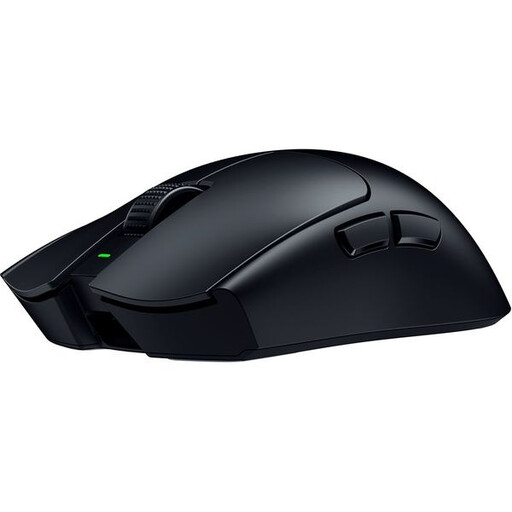
Razer Viper V3 Pro wireless mouse, black
Consider this model if low listed weight and lift-off adjustment matter during frequent swipes and resets.
Razer lists it at 54 g, with up to 8 kHz polling and adjustable lift-off and landing distances. Those specifications do not establish a rhythm-game advantage; check how its shape feels in your grip.
Joybuy
 No image available
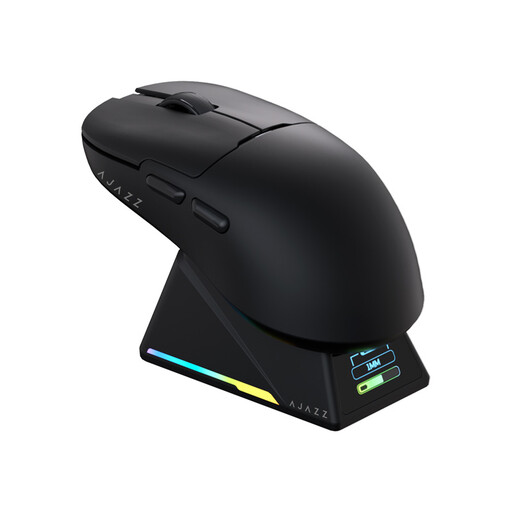
AJAZZ AJ159 APEX wireless mouse with magnetic charging base
This is an option to examine if you want a light mouse and plan to adjust its lift-off behaviour.
The product title lists 56 g, up to 8 kHz polling and a magnetic charging base. Check the exact connection modes and maximum DPI before buying: the title and descriptions give conflicting figures for those features. Confirm software compatibility if you rely on configuration controls.
Joybuy
 No image available
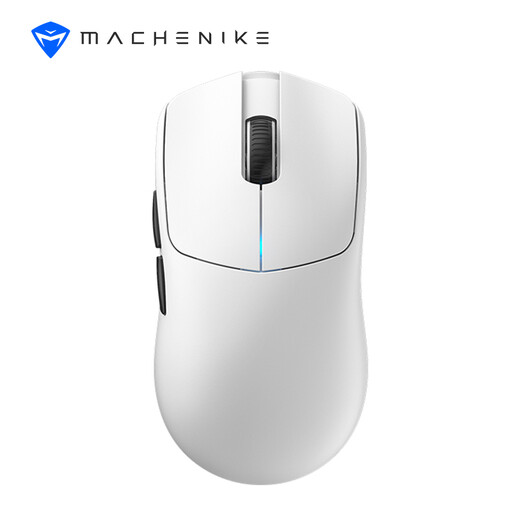
MACHENIKE L9X1 tri-mode wireless mouse
Consider its listed low weight if repeated broad movements are your priority, while checking whether the shell suits your grip.
The product title specifies 49 g, an 8 kHz mode and wired, 2.4 GHz and Bluetooth connections. If lift-off or surface calibration is important to your resets, confirm the available controls for this model before choosing it.
Joybuy
 No image available
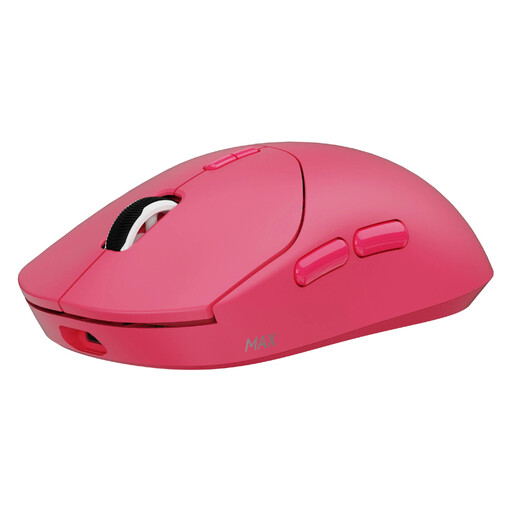
RAPOO VT2 MAX wireless mouse, pink
This model is worth comparing if you want a light wireless mouse and may use different polling-rate settings across sessions.
Its title lists 53 g and an 8 kHz polling-rate mode. The stated battery maximum of up to 750 hours applies at 1,000 Hz, with a driver update required to unlock low-power mode; do not apply that runtime claim to 8 kHz use. Confirm lift-off controls if you need them.
Joybuy
Frequently asked questions
Do I need a special mouse sensor for a bright room?
Room brightness alone is not a sound basis for choosing a particular gaming-mouse sensor. If the desk is glossy, glass or reflective, address that surface first: Logitech Support advises avoiding those surfaces for tracking.
How can I check whether tracking skips come from the mouse or the surface?
Keep your game sensitivity and receiver position consistent while testing the mouse on a plain, consistent surface. If movement still skips, check the sensor opening and then change receiver placement or settings one at a time; Logitech Support also advises keeping a wireless receiver close to the mouse when investigating inconsistent tracking.
Is 8 kHz polling automatically worth choosing for rhythm games?
No: an 8 kHz specification alone does not establish better rhythm-game results. Check that you want to use the mode, then weigh it against shape, surface stability, available adjustments and the battery-life conditions relevant to your settings.
What cancellation period applies to a mouse bought online in the UK?
For a covered sales contract without an applicable exception, the UK Consumer Contracts Regulations 2013 provide that the cancellation period ends 14 days after the day you, or someone you nominate other than the carrier, takes physical possession of the goods. Check the conditions relevant to your order; cancellation for a change of mind is separate from remedies for faulty or misdescribed goods, and a retailer’s voluntary returns policy is not the law.


