Small-desk wireless builders
Students using a compact or shared desk who would rather manage a battery than work around a mouse cable.


Choose a wireless gaming mouse if a cable gets in the way on your student-room desk, a lightweight wired shape if right-handed grip fit matters most, or configurable controls if you have repeated building actions to assign. Battery requirements, hand fit and the work of setting up shortcuts matter more to this choice than treating any one specification as an automatic advantage.
Students using a compact or shared desk who would rather manage a battery than work around a mouse cable.
Students who use a right-handed palm or claw grip and want to check a mouse’s shape and weight for longer building sessions.
Players with repeated tool or inventory actions they intend to assign to mouse controls, and who are willing to set those controls up.
For sandbox building in a student room, start with the desk space, your usual grip and the actions you would actually assign to extra controls.
Choose when: A mouse cable would be awkward on a small or shared desk.
Trade-off: You will need to manage charging or replacement batteries according to the model.
Choose when: You use a right-handed palm or claw grip and want to assess a lighter shape without battery management.
Trade-off: The contour still has to fit your hand, and the cable needs room to move.
Choose when: You already know which repeated building actions you want to map.
Trade-off: Extra controls take setup and may add little if you mostly use standard clicks and scrolling.
| Concern | Buying checks | Who this matters to |
|---|---|---|
| Cable-free use | Check the battery or charging arrangement and whether your computer has a suitable port for the connection you intend to use. | If a cable crowds my desk, I want space to move the mouse without frequent battery-related interruptions. Around 33% of consumers put cable-free use first. |
| Grip fit | Check handedness and shape against your usual grip; test the fit if possible. | During longer building sessions, I want a shape that suits my hand rather than an ergonomic label alone. Grip fit comes first for around 25% of consumers. |
| Configurable controls | Identify the actions you would assign, then check software compatibility and whether the controls are within reach. | If I repeatedly switch tools or open an inventory, I want assignments I can remember and use comfortably. Around 25% of consumers prioritise configurable controls. |
| Ownership needs | Compare the exact wired or wireless variant, included accessories, battery requirements and seller terms. | I want a mouse that covers the actions I use without taking on features or upkeep I do not need. Predictable ownership is the main concern for around 17% of consumers. |
Scan UK notes that high-end wireless gaming mice can be competitive with wired models. A blanket assumption about latency could leave you managing a cable you would rather avoid.
Compare the connection method of the exact mouse with your desk layout, and choose wired if its cable and battery-free operation suit you.
Depending on the model, wireless use also brings charging time or battery replacement.
Posturite’s mouse guidance ties fit to hand shape, size and the task. Razer positions the DeathAdder line for right-handed palm and claw grips, which will not describe every player.
Check handedness and your usual grip, and try the shape where possible. If fit remains uncertain, check the seller’s return terms before buying.
Logitech G describes the G502 X LIGHTSPEED as having 13 fully customisable controls, but their usefulness depends on the actions you assign to them.
List the shortcuts you regularly use in your sandbox game before deciding whether additional controls justify the setup.
Its G305 LIGHTSPEED and G502 X models illustrate different choices: wireless battery life or configurable controls.
The DeathAdder V3 is a wired option for players considering a lightweight, right-handed shape.
The Rival 3 Wireless is another model to examine if cable-free use and battery life are priorities.
These choices cover wireless mice with configurable controls, a right-handed wired shape and a wired USB option. Compare each one with your desk space, grip and planned shortcuts rather than treating the list as a single route.
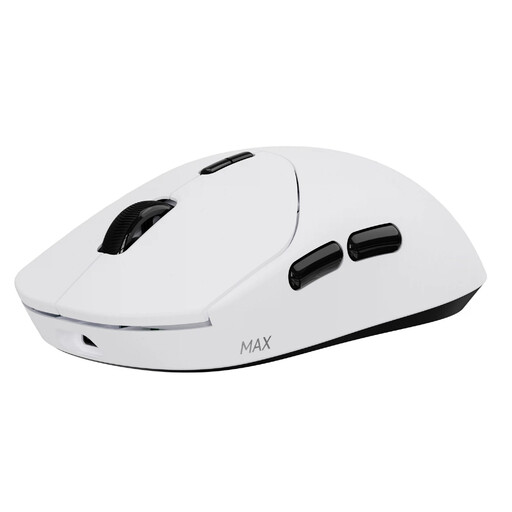 No image available
Consider it if you want cable-free use and buttons for building shortcuts. Its stated specifications include a 53 g weight, 10 programmable buttons and up to 750 hours of battery life; that battery figure applies at 1000 Hz and requires a driver update to unlock low-power mode. Check hand fit and software requirements before choosing it.
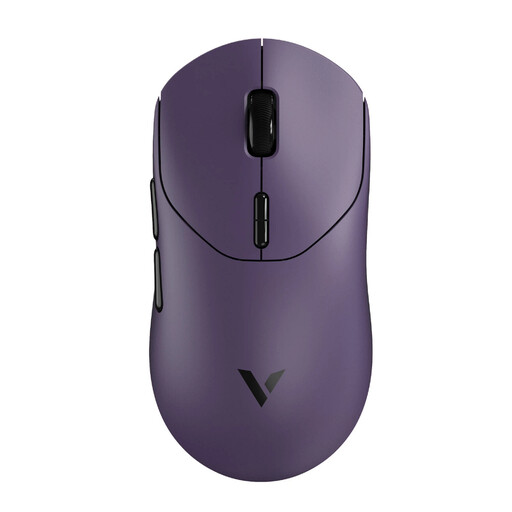 No image available
This variant suits consideration if you want wireless movement and actions assigned to mouse buttons. The title states 53 g, 10 programmable buttons and up to 750 hours of battery life; the battery claim applies at 1000 Hz with a driver update needed for low-power mode. Its mechanical switches distinguish it from the VT2 MAX variant above, but check the shape for your grip.
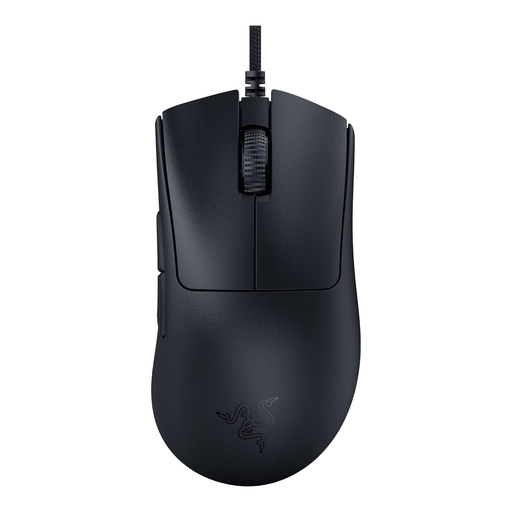 No image available
Consider this wired model if you use a right-handed palm or claw grip and want to assess a lighter shape. Razer lists the DeathAdder V3 at 59 g. Check whether its contour fits your hand and whether the cable has enough room on your desk.
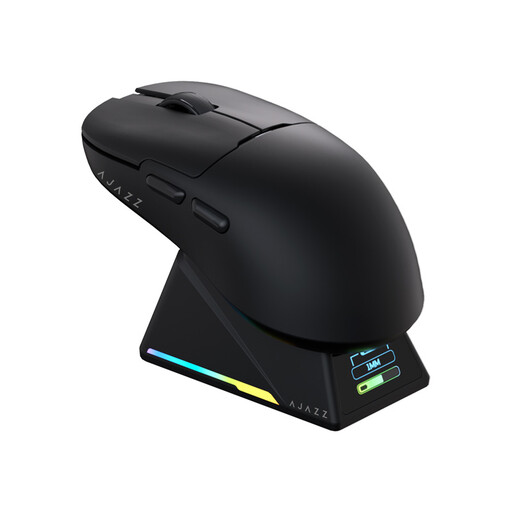 No image available
This is a wireless option to examine if a charging base suits your desk arrangement. Its title states a 56 g weight and magnetic charging base. Confirm the exact connection modes for this variant before buying, and check whether the shape suits your hand.
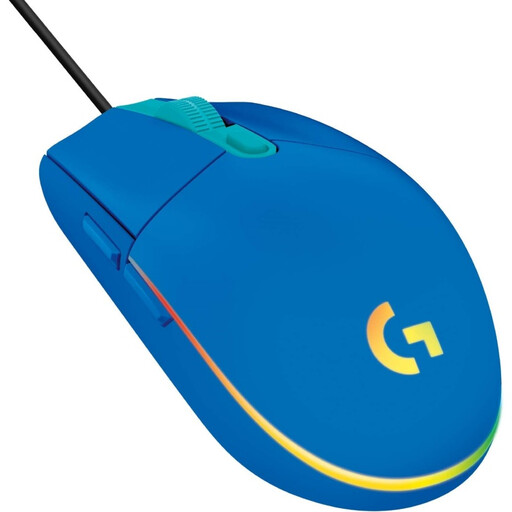 No image available
Consider the G102 if you prefer a wired USB mouse and want to assess controls for your usual in-game commands. Check that its cable works with your desk layout, and confirm the shape and control setup suit your grip and computer.
Choose wireless if moving without a cable matters more to you than managing its battery; choose wired if you prefer to avoid charging or battery replacement and have room for the cable. Scan UK says high-end wireless gaming mice can be competitive with wired models, so compare the exact connection rather than assuming every wired mouse has a latency advantage.
No mouse shape can guarantee that. Posturite’s guidance emphasises a match between the mouse, your hand and your tasks; check grip fit and desk positioning rather than relying on an ergonomic label.
No. Razer positions the DeathAdder line for right-handed palm and claw grips. If that does not describe how you hold a mouse, try the shape where possible or check the seller’s return terms before choosing it.
Check how your local authority or retailer accepts electrical equipment rather than assuming an old mouse belongs in ordinary household waste. GOV.UK guidance explains that battery-powered products can still count as electrical and electronic equipment; follow the applicable local collection instructions.