Low-sensitivity FPS aim trainers
If practice involves repeated broad swipes, tracking and flicks, compare mouse mass, glide and the simplicity of the shell before focusing on headline sensor figures.


Choose shell shape and weight before chasing a polling-rate or DPI figure. A light symmetrical wireless mouse is worth considering for frequent broad swipes, while a right-handed ergonomic shape deserves closer attention if grip comfort matters more; extra controls make sense when you will use them beyond aim practice. Check handedness and your desk layout separately, particularly if mouse or headphone cables cross the space you use for aiming.
If practice involves repeated broad swipes, tracking and flicks, compare mouse mass, glide and the simplicity of the shell before focusing on headline sensor figures.
If you use a right-handed palm or claw grip, assess how a shaped shell supports your hand during longer sessions. Razer positions its DeathAdder line around these grip styles, but the shape still needs to suit you.
If the same mouse handles other games or desktop tasks, remappable buttons, a DPI-shift control or flexible scrolling may matter more than a minimalist layout.
Start with the movements and grip you use for aim practice, then consider connection and controls. Headphones are part of the desk setup, so check cable clearance if either your mouse or headset has a cable.
| Concern | What to check | Who this matters to |
|---|---|---|
| Mass and movement | Compare the listed mass of the exact variant and decide whether a cable would cross your swipe area. | If I practise wide tracking movements and flicks, I want a mouse that feels manageable through repeated swipes. Around 36% of consumers put low-mass movement first. |
| Shape and grip | Check handedness and button placement; a symmetrical shell is not necessarily suitable for left-handed use. | When longer sessions make grip fit my main concern, I would assess the shell before its sensor figures. For roughly 29% of consumers, shape and comfort are the primary need. |
| Connection and polling | Confirm the model’s connection, available polling modes and any dongle or software requirements. | If I want a particular wireless and polling setup, I need its stated mode to work with my PC and display. About 21% of consumers prioritise connection and polling capability. |
| Extra controls | Identify buttons and scrolling functions you will use, then weigh them against your preference for a simpler layout. | Because I use the mouse for more than aim drills, accessible controls may be worth a different layout. Around 14% of consumers put those controls first. |
A high figure does not establish that a shell will fit your grip. Razer describes higher polling as more frequent reporting to the PC and discusses its visual benefit alongside high-refresh-rate displays.
Settle shape, handedness and mass first. If a high polling mode still matters to you, check the exact model’s mode and setup requirements.
Symmetry describes a shell’s form, not necessarily its button layout or intended handedness. Joybuy describes the Razer Viper V3 Pro as right-handed and symmetrical.
Check the stated handedness and side-button placement for the exact variant before ordering.
Logitech G lists its wired G502 X at 89 g with a configurable DPI-shift button, while its PRO X SUPERLIGHT 2 is listed at 60 g. Those designs serve different priorities; the figures alone do not establish which will suit your aim practice.
Choose a controls-focused mouse when you have a clear use for its additional functions and are comfortable with its mass and cable arrangement.
Its listed models offer both a low-mass wireless FPS route and a controls-focused wired route.
The Viper V3 Pro and DeathAdder V4 Pro illustrate distinct symmetrical and right-handed ergonomic routes.
The M75 AIR is a symmetrical wireless option to consider when comparing lower-mass shells.
The Aerox 5 Wireless is relevant when shooter practice shares time with games or tasks needing more controls.
These mice cover wireless options for low-mass practice, an ergonomic alternative and a model with additional controls. Choose between them by fit and intended use rather than treating their order as an aim-performance ranking.
 No image available
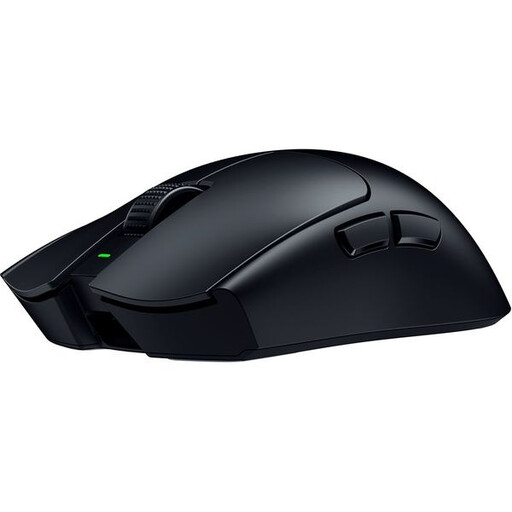
Consider this model if low mass and a wireless setup are your priorities for repeated swipes. Its title lists a Focus Pro 35K Gen-2 sensor and HyperPolling 8 kHz capability; check handedness and the requirements for the polling mode before choosing it.
 No image available
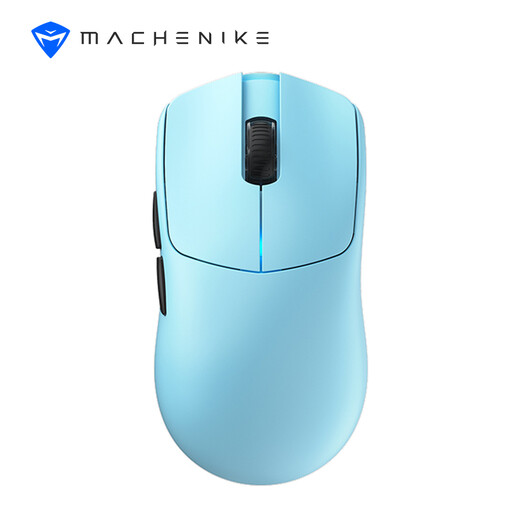
This is a wireless option to assess if you want to keep a mouse cable out of your aiming space. Check the exact shell and button layout against your grip before choosing it.
 No image available
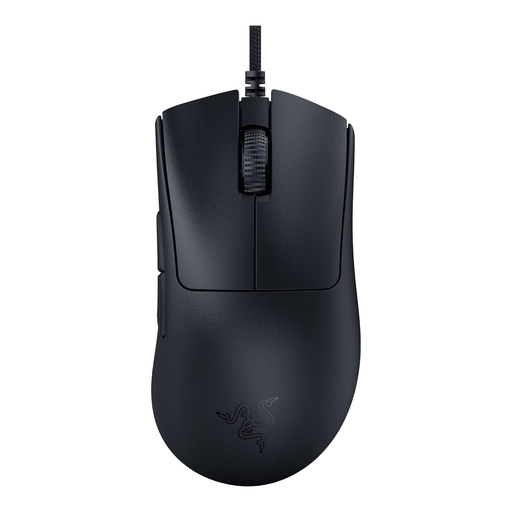
Consider its ergonomic shell if a contoured grip matters more to you than a symmetrical form. Check this V3 model’s handedness, connection and fit rather than applying specifications from the different DeathAdder V4 Pro.
 No image available
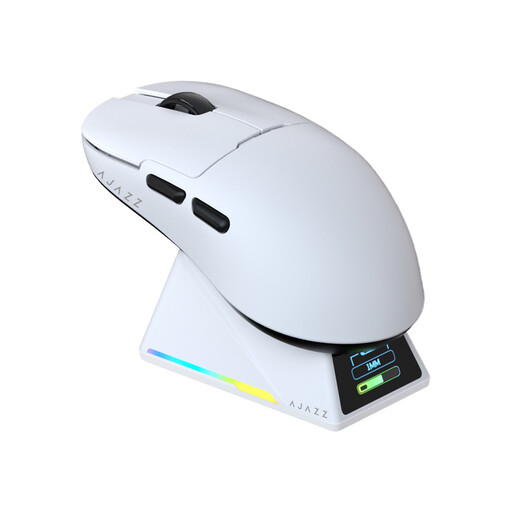
This variant is worth considering if you want a charging base alongside a lower-mass wireless mouse. Its title lists 8 kHz polling; confirm the supported connection modes, supplied accessories and exact DPI specification for this variant before ordering.
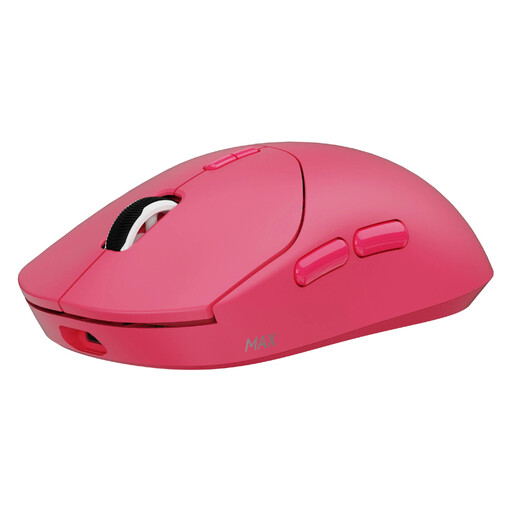 No image available
For mixed gaming and aim practice, its listed 10 programmable buttons offer a reason to consider this model if you will use extra controls. The title also lists 8K wireless polling; check shell fit and the requirements for that mode.
No particular polling-rate figure is a prerequisite for choosing a mouse that fits your grip and movements. Razer describes polling rate as the frequency of reports sent to a PC and discusses potential visual benefits with high-refresh-rate displays; check a model’s setup requirements before making that capability a priority.
Not necessarily: shell symmetry does not establish left-handed button access. Joybuy describes the Razer Viper V3 Pro as right-handed and symmetrical, so check the exact model’s handedness and side-button placement.
Check that the mouse’s connection and charging arrangement suit your desk, and leave enough room for the swipes you practise. If your headphones have a cable, assess its route separately; headphone use alone does not establish a particular mouse compatibility requirement.
Use an appropriate electrical-equipment collection or retailer take-back route available locally. The UK Waste Electrical and Electronic Equipment Regulations cover marking of electrical equipment, including the crossed-out wheeled-bin symbol; check your local collection arrangements before disposal.