Competitive, aim-first players
If repeated tracking and broad mouse movements drive your choice, a light competitive shape may matter more to you than a large set of side controls. Check the grip before choosing by weight alone.


For repeated aiming movements, consider a light mouse if its shape suits your grip; for a desk shared with work, give equal attention to fit and the wider workstation. Choose more programmable controls only if you have commands to assign and can reach the buttons comfortably.
If repeated tracking and broad mouse movements drive your choice, a light competitive shape may matter more to you than a large set of side controls. Check the grip before choosing by weight alone.
If the same mouse serves work and gaming, consider its shape, placement and available desk space together. The Health and Safety Executive treats mouse use as part of the wider display-screen workstation.
If you regularly use mouse-accessible commands during matches, look for buttons you can reach without changing your grip. Extra controls are useful when you intend to map them.
For squad survival matches at a desk also used for work, identify the need that would decide your purchase, then check the mouse’s shape and your desk arrangement.
| Concern | What to check | Who this matters to |
|---|---|---|
| Aiming and movement | Check stated weight, grip shape and connection method; do not use polling rate alone to judge fit. | If I make broad, repeated aiming movements, I want a mouse whose weight and shape feel manageable without needing numerous side controls. Around 31% of consumers would put aiming and movement first. |
| Command access | Count the commands you would map and check whether the side buttons are reachable; confirm any software needed for secondary functions. | When communication or equipment commands interrupt my movement, I want shortcuts I can reach without shifting my grip. Roughly 23% of consumers would make command access their primary concern. |
| Work-and-game comfort | Check handedness, grip, mouse placement and usable desk space. The Health and Safety Executive advises considering the whole display-screen workstation. | If I use one desk throughout the workday and for matches, I need a shape and arrangement I can use comfortably in both settings. For around 31% of consumers, that would be the deciding need. |
| Simple setup | Decide whether you need wired or wireless use and how many controls you will actually configure. | If I only need the core controls, I would rather choose a straightforward setup than manage features I will not use. Approximately 15% of consumers would prioritise simplicity. |
A shaped mouse will not suit every hand or grip. The Health and Safety Executive also identifies workstation design as a factor in discomfort and fatigue.
Check handedness, button reach, mouse space and the rest of your desk setup rather than choosing by the label alone.
Additional controls add little to your setup if recurring commands remain on the keyboard or the buttons are awkward to reach.
List the actions you want on the mouse, then check whether you can reach and configure the required buttons comfortably.
Manufacturer polling and sensor specifications describe features, but they do not establish whether a particular shell suits your grip or desk.
Compare the exact model’s shape, weight, controls and connection method alongside its stated specifications.
Oxfordshire County Council’s electrical-waste guidance says items with electronic parts or batteries should not go in general waste.
Check your local council’s electrical recycling instructions or an available retailer take-back route, including separate instructions for removable batteries.
Its named models illustrate different choices: the light Viper V3 Pro and the shaped, configurable Basilisk V3 Pro 35K.
The PRO X Superlight 2 is a competitive wireless option for buyers considering an aim-focused mouse.
The Rival 5 is relevant when accessible game-command controls are a priority.
These mice offer different combinations of wireless use, stated weight and configurable controls for gaming at a shared desk. Compare the exact shape and features you need; a light design or extra buttons alone will not settle the choice.
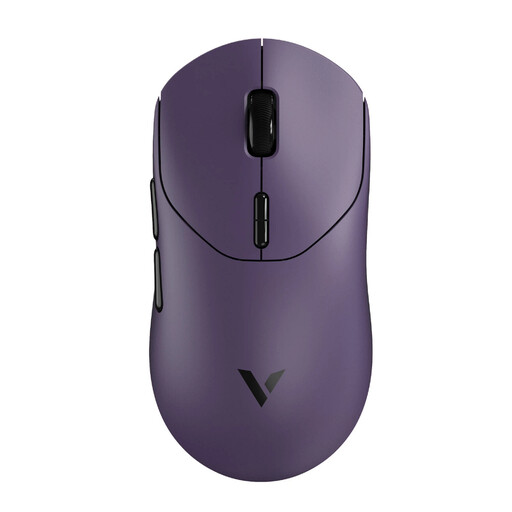 Image unavailable
Consider this model if you want a light wireless mouse but also intend to map game commands to its controls.
The product title states 53 g, an 8 kHz wireless polling rate and 10 programmable buttons. Check whether its shape suits your hand and grip.
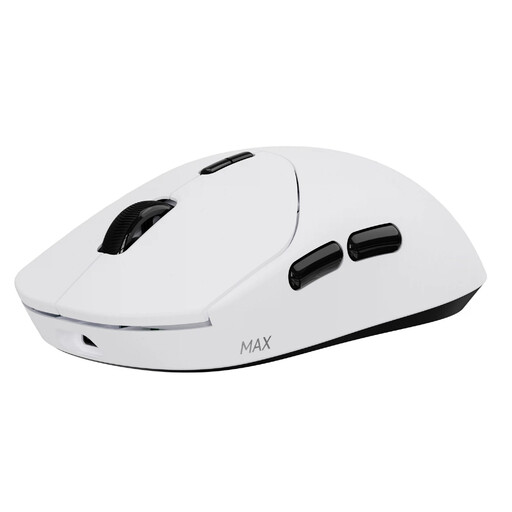 Image unavailable
Consider the VT2 MAX if you want a light wireless option with buttons for recurring game commands.
The product title states 53 g, an 8 kHz wireless polling rate and 10 programmable buttons. Check its shape and button reach before choosing it for both gaming and work.
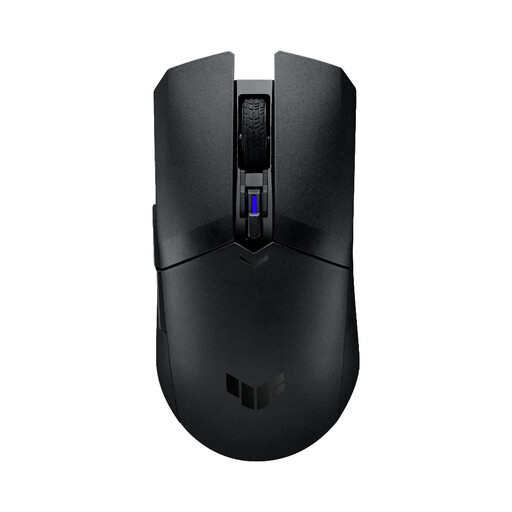 Image unavailable
Consider this wireless model if you want a gaming mouse for a desk also used for work and prefer to assess fit before choosing by weight.
Check its weight with the battery you intend to use: the stated 62 g figure excludes the battery and dongle. Its shape still needs to suit your hand and grip.
 Image unavailable
Consider this model if you want to switch between connection methods and assign recurring commands while using the same desk for gaming and work.
The product title lists Bluetooth, 2.4G and USB-C modes, alongside a charging dock. Confirm its mouse-only weight before treating it as a lightweight choice, and check whether the stated medium-to-large-hand fit suits your grip.
 Image unavailable
Consider this model if a light wireless mouse and a desk charging base appeal to you more than a known number of dedicated shortcuts.
The product title states 56 g and includes a magnetic charging base. Check the connection modes, maximum DPI and button count for this variant before relying on any of them to make your choice.
Choose by your desk arrangement and the exact mouse, not the connection label alone. Wireless use removes a cable from the mouse area but brings a charging or battery routine; wired use requires space to route the cable.
A mouse alone cannot address every cause of discomfort. The Health and Safety Executive considers mouse placement alongside other parts of the display-screen workstation, so check the desk arrangement and work routine as well as the mouse’s fit.
Choose enough reachable buttons for the commands you will actually assign. SteelSeries describes nine programmable buttons on the Rival 5, but a simpler layout may suit you better if you rarely move commands from the keyboard.
Check your local electrical recycling arrangements rather than putting the mouse in general waste. Oxfordshire County Council’s guidance identifies equipment containing electronic parts or batteries as electrical waste; local collection and removable-battery instructions may differ.