Students playing on a laptop at a small desk
You need room for study equipment as well as a mouse, and may want to pack it away or carry it between locations. A compact wireless shape is worth considering, provided it fits your hand.


For deck-building games in a student room, choose by hand comfort, desk space and device compatibility before extra buttons or competitive-gaming specifications. A compact wireless mouse suits a laptop that moves between desks; a wired USB mouse avoids battery upkeep if you mainly play in one place. With wireless models, check the battery system and whether connection modes change the settings you use.
You need room for study equipment as well as a mouse, and may want to pack it away or carry it between locations. A compact wireless shape is worth considering, provided it fits your hand.
You make repeated selections and use menus over extended sessions. Button placement, grip comfort and avoiding interruptions matter more to you than headline sensor figures alone.
You want to move between compatible devices without repeatedly moving a cable or receiver. Check the exact mouse’s connection options and what changes when you switch modes.
Start with the space available and how the mouse fits your hand. Then decide whether switching devices or avoiding battery upkeep matters more to you.
| Concern | What to check | Who this matters to |
|---|---|---|
| Desk space and portability | Check dimensions and grip suitability; consider where the cable or wireless receiver will sit. | If my mouse shares a small desk with coursework, I want it to be easy to use and put away without sacrificing a comfortable grip. Around 33% of consumers put space and portability first. |
| Comfort during longer sessions | Look at shape and button placement; consider click noise if you share the room. | When I spend a long session selecting cards and using menus, I need a shape and buttons that feel comfortable to me. Comfort is the primary concern for around 25% of consumers. |
| Connection flexibility | Confirm the exact connection modes and compatibility with your devices. | I move between devices and would rather not rearrange cables each time, but I need both devices to support the mouse’s connection methods. Around 25% of consumers prioritise that flexibility. |
| Battery upkeep | Check the battery type and any conditions attached to a claimed runtime. | I want to avoid losing power mid-session or keeping track of replacement cells; a wired mouse may be simpler at a fixed desk. Avoiding battery upkeep comes first for around 17% of consumers. |
A sensor figure cannot tell you whether the shell fits your hand or leaves enough room beside a laptop and study materials.
Check shape, dimensions and button placement first. Give competitive-gaming features more weight if you also play faster-paced games.
SteelSeries says Bluetooth mode on the Rival 3 Wireless uses a 125Hz polling rate and default settings. Switching for convenience can therefore change how that model operates.
Check the modes of the exact mouse you are considering, particularly if you also use it for reaction-heavy games.
Battery requirements differ by model. SteelSeries says the Rival 3 Wireless Gen 2 uses AAA batteries; do not assume it has an internal rechargeable cell.
Check the required battery type and quantity, whether cells are included and whether rechargeable cells are suitable.
A replaceable-battery setup also means keeping suitable cells available when they run down.
Settings affect power use. SteelSeries notes that lighting and polling-rate settings affect battery consumption on the Rival 3 Wireless.
Read the conditions behind a model’s runtime claim and decide whether those settings suit the way you will use it.
The wireless G305 is relevant if you want to consider battery interruptions alongside a compact study-and-play setup.
Razer describes the Orochi V2 as a compact, lightweight wireless mouse intended for portable use.
The Rival 3 Wireless is relevant if you want to compare wireless connection methods and battery requirements.
These mice offer wireless options for a desk that also serves as a study space, plus a wired USB option for playing mainly in one place. Compare fit, connection and upkeep for the particular model rather than treating the list as a single type of mouse.
 No image available
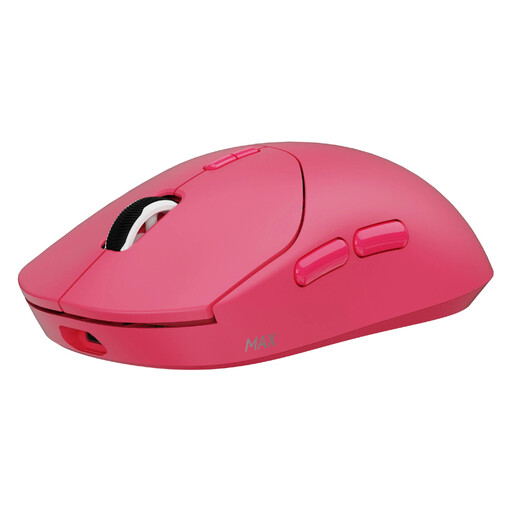
Consider this model if you want to switch between compatible devices or keep a cable off a small desk.
The product title specifies Bluetooth, 2.4G and USB-C connection modes, a charging dock and adjustable DPI up to 24000. Check the exact variant’s weight and hand fit before choosing it for portability.
 No image available
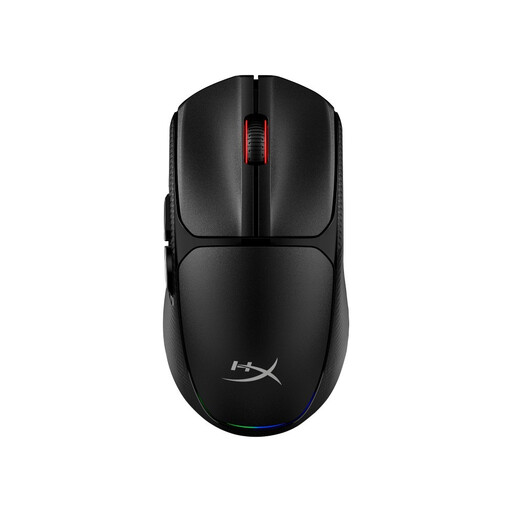
Consider this wireless model if you want a mouse to move between study and play spaces, but check its dimensions against your preferred grip.
The title states a 53g weight and 10 programmable buttons. Its advertised battery life is up to 750 hours, conditional on updating the driver to unlock low-power mode; it is not a guaranteed session runtime.
 No image available
This wireless option is worth considering if clearing a desk cable matters more to you than using a wired mouse.
Check the receiver and charging arrangements for the exact listing, as well as the mouse’s dimensions. Its described right-handed shape may not suit left-handed use.
 No image available
Consider this model if wireless use would leave more room beside your laptop; check its shape before relying on it for longer card-game sessions.
The title specifies five adjustable DPI settings. If you share a room, assess whether the clicks are quiet enough for your setting rather than relying on a silent-click claim. The listing says side buttons are unavailable on Mac OS.
 No image available
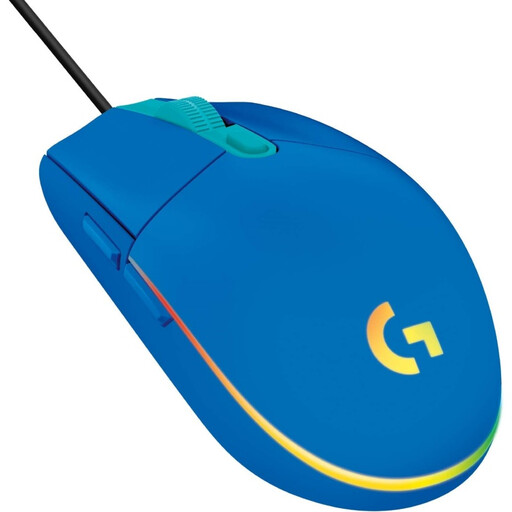
Choose a wired option such as this if you mainly play at one desk and would rather manage a cable than a mouse battery.
Its title specifies a USB connection. Check that the connector works with your device and that the cable can run comfortably across your desk without getting in the way.
No specialised competitive-gaming specification is needed simply to select cards and use menus. Start with a mouse that fits your hand, desk and device; give faster-gaming features more attention if you also play reaction-heavy titles.
Bluetooth can be a convenient choice when both the mouse and your device support it, but check how the exact model behaves in that mode. SteelSeries says the Rival 3 Wireless switches to 125Hz polling and default settings in Bluetooth mode, so do not assume it operates identically to its other wireless mode.
Choose a battery system you are willing to maintain and check the conditions behind any runtime claim. SteelSeries says lighting and polling-rate settings affect power use on the Rival 3 Wireless; it says the distinct Rival 3 Wireless Gen 2 accepts rechargeable AAA batteries.
Confirm that the listing includes the connection accessories and batteries or charging equipment you need. Check the exact model and variant, device compatibility, and the seller’s stated arrangements for returns and faults separately.