What matters when choosing?
For board-game adaptations in a bright room, assess reflections and text readability first. Then decide whether finer detail or performance in other games is the stronger reason to choose a particular resolution and refresh rate.
| Concern |
What to check |
Who this matters to |
| Reflections and readability |
Check the exact screen finish and typical SDR brightness, then consider where windows or lamps will appear in the screen. |
If light catches the display while I read a board or card, controlling reflections is my first priority; roughly 42% of consumers put that need first. |
| Fine text and artwork |
Compare screen size and resolution at your planned desk distance, and confirm that your device can output the chosen resolution. |
Small labels and detailed maps lead me to prioritise finer on-screen detail; around 33% of consumers make that their primary concern. |
| Other games and connections |
Match the monitor’s per-port refresh and variable refresh modes to your device and cable. |
I also play faster games and want the intended mode to work through my connection; for approximately 25% of consumers, that is the leading need. |
Joybuy monitor choices
These monitors offer different combinations of screen size, resolution and gaming features for the bright-room board-game setup. Check each screen’s finish and everyday brightness against your own room rather than treating the product order as a glare-performance ranking.
 No image available
Samsung Odyssey G6 S27DG612 27-inch QHD OLED monitor
Consider this if one screen will serve board-game adaptations and faster games, but assess its bright-room readability before choosing it for reflections alone.
The named variant has a 240Hz refresh rate and a stated 0.03ms response time. Check whether its stated typical brightness suits your room; a reflection-reduction claim is not a substitute for seeing the screen under your lighting.
View on Joybuy
 No image available
LG UltraGear 32GX850A-B 32-inch 4K OLED monitor
Consider this larger-screen route if fine board detail matters and you also want modes for faster games; check that the size fits your viewing distance.
The title specifies dual mode with a maximum of 330Hz. For bright-room use, check typical SDR brightness rather than relying on a peak figure. Persistent board layouts also make the listed OLED image-retention warning relevant to how you use the screen.
View on Joybuy
 No image available
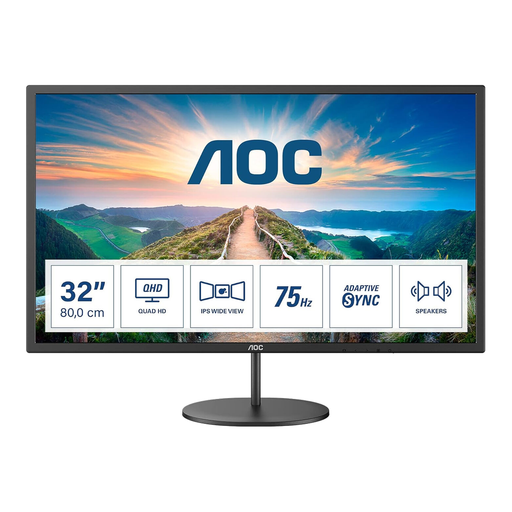
AOC Q32V4 31.5-inch IPS monitor
If you prefer a larger board on screen, compare this 31.5-inch format with your desk distance and the amount of fine text you need to read.
The product name specifies Adaptive Sync, a 4ms response time and built-in speakers. Before choosing it for a bright room, establish whether the stated brightness figure is a typical SDR measurement suitable for comparison with other monitors.
View on Joybuy
 No image available
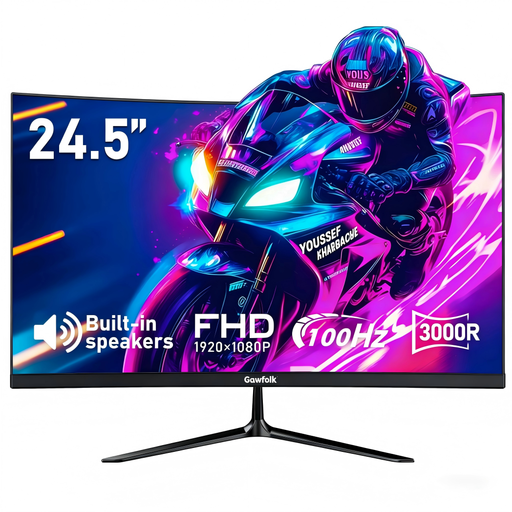
Gawfolk 24.5-inch FHD 100Hz curved monitor
This smaller curved format may suit a compact desk, provided its Full HD board text looks comfortable at your viewing distance.
The named variant has a 3000R curve, an anti-glare finish and AMD FreeSync. Check its typical brightness for your room rather than assuming the finish alone will settle daylight readability.
View on Joybuy
 No image available
LG UltraGear G8 27G850A 27-inch 4K monitor
Consider this 4K option if fine board detail and a setup shared with faster games both matter, while treating bright-room reflections as a separate check.
The title specifies a Nano IPS panel, dual-mode 240Hz/480Hz operation, HDMI 2.1 and DisplayPort 2.1. Match the intended mode to your device and connection, and check the screen finish and typical SDR brightness for your room.
View on Joybuy
Frequently asked questions
Is an HDR label enough to choose a monitor for a bright room?
No. VESA’s DisplayHDR standard addresses HDR display performance, not resistance to reflections from your windows or lamps. Check the exact screen finish and typical SDR brightness, then consider where the monitor will sit.
Should I choose QHD or 4K for digital board games?
Choose between them according to the detail you want to see, your desk distance and what your device can output. A 27-inch 4K screen puts more pixels into fine text and maps; a 27-inch QHD screen may suit a setup where high-refresh PC gaming also matters. Neither resolution tells you how distracting reflections will be.
Will a monitor’s maximum refresh rate work over HDMI?
Not necessarily: check the exact model’s per-port signal modes. ASUS lists the VG27AQML1A at 48–144Hz through HDMI and 48–260Hz through DisplayPort, so the connection changes the available maximum on that model.
Can I cancel a UK online monitor purchase if it does not suit my room?
For a standard UK online sale of goods, the usual statutory change-of-mind cancellation period ends 14 days after you, or someone you nominate other than the carrier, receive the goods, subject to applicable exceptions under the Consumer Contracts Regulations 2013. Read the retailer’s cancellation instructions, handling conditions and collection arrangements before testing the monitor; change-of-mind cancellation is distinct from remedies for faulty, damaged or misdescribed goods.


