What matters when choosing?
Assess light and reflections at the intended desk before deciding how much resolution or refresh rate your games and devices can use. Treat the priorities below as distinct primary needs: you may care about several, but the most important one should lead your choice.
| Concern | What to check | Who this matters to |
|---|
| Bright-room readability |
Check screen finish, the conditions attached to brightness figures and reflections from your seating position. |
If daylight crosses my screen, I need to read maps and interface details without fighting reflections. Around 36% of consumers put bright-room readability first. |
| Motion clarity |
Compare refresh rate at your intended resolution and check the modes your gaming system can drive. |
When encounters move quickly, I care most about following targets and camera movement. For around 29% of consumers, motion clarity is the primary need. |
| Resolution and performance |
Check each resolution–refresh pairing against the frame rates your games and device can deliver. |
I want detailed tactical maps, but not a display mode my system struggles to run. That balance comes first for around 21% of consumers. |
| Connections and desk fit |
Confirm refresh capability by port and check the stand, desk space and any laptop-connection requirements. |
If one monitor must connect to several devices and fit my desk, those practical requirements decide what I can use. Around 14% of consumers prioritise that setup need. |
Joybuy products for this setup
These monitors offer different ways to balance tactical-game detail and refresh rate. For a bright room, assess each screen at your intended desk; the resolution and refresh figures alone do not settle reflection handling.
 No image available
LG UltraGear 32GX850A-B 32-inch OLED 4K dual-mode monitor
Consider this if you switch between detail-focused and faster tactical play. Its listed dual modes are 4K at 165Hz and Full HD at 330Hz, not both at once; confirm the mode with your device and input. Assess reflections at your desk and follow the OLED care guidance for prolonged static images.
Joybuy
 No image available
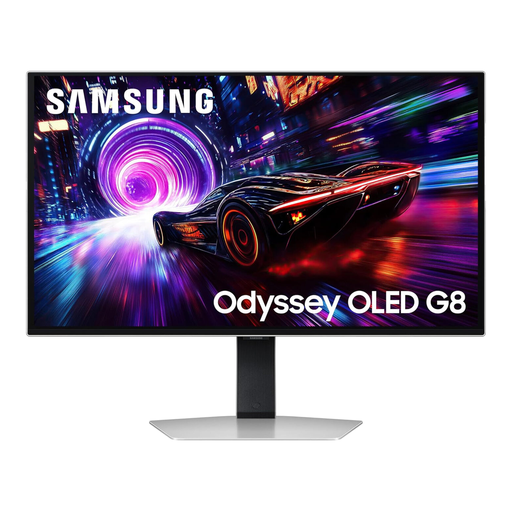
Samsung Odyssey OLED LS32FG810SUXXU 32-inch monitor
Consider this for detailed tactical maps alongside high-refresh play. The product information describes a 4K QD-OLED display at 240Hz and makes a product-specific glare-reduction claim; assess reflections in your room rather than treating that claim as a guarantee. Check the refresh mode for your chosen input and the OLED care instructions.
Joybuy
 No image available
Samsung Odyssey G6 S27DG612 27-inch QHD OLED 240Hz monitor
Consider this if you want QHD tactical play at a high stated refresh rate. The product information describes an anti-glare coating and 200 cd/m² typical brightness; judge whether the screen remains readable from your seat in your usual lighting. Confirm the refresh mode for your input and check OLED care guidance.
Joybuy
 No image available
LG UltraGear 34GX900A-B 34-inch WQHD OLED 240Hz monitor
Consider this if a wider tactical-game view fits your desk and the games you play. The listed 3440 × 1440 resolution and 240Hz refresh accompany a 21:9 curved format; check game and device support before choosing it. Assess the anti-glare finish under your own lighting and follow the OLED care guidance.
Joybuy
 No image available
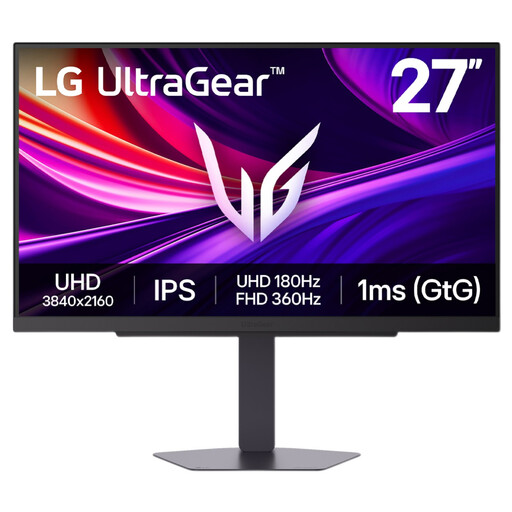
LG UltraGear 27G810A-B 27-inch IPS 4K dual-mode monitor
Consider this if you alternate between detailed tactical games and speed-focused sessions. Its listed modes are 4K at 180Hz and Full HD at 360Hz; confirm that your device and input can use the one you prefer. Check screen finish and brightness for your bright-room setup before deciding.
Joybuy
Frequently asked questions
Is DisplayHDR 400 or HDR10 enough to choose a monitor for a bright room?
No. VESA’s DisplayHDR specification covers HDR qualities including luminance, colour gamut, bit depth and rise time; an HDR label does not describe reflections at your desk. Check the exact screen finish and brightness conditions, as well as how you will use the monitor in normal room lighting.
Will HDMI deliver a gaming monitor’s highest refresh rate?
Not necessarily: the answer depends on the model and port. BenQ specifies up to 144Hz through HDMI and 180Hz through DisplayPort for the EX271Q, so check the per-port mode you need before choosing a connection.
Does a quoted 1ms response time apply in every setting?
No. Samsung says the Odyssey G7 G70F’s 1ms grey-to-grey figure requires Extreme mode and can vary with content and monitor settings. Check the mode and measurement conditions rather than comparing response-time numbers without context.
How can I assess a monitor in my bright room after delivery?
Place it at the intended desk and view a familiar game map and interface in your usual daylight and lamp conditions. Try the input, resolution and refresh mode you plan to use, and check the retailer’s applicable return terms while deciding whether the screen suits that position.


