Choose the headphone connection before choosing the monitor: a headset may connect to the PC, console or compatible controller, while a monitor headphone output is useful only when the source sends audio through the display. For card games, screen detail and a comfortable desk setup usually deserve attention before high refresh rates; faster games make refresh capability more relevant if your device can deliver it.
Who this setup suits
Headset-first card-game players
If you play privately or share a room, establish where your headset connects before looking for monitor speakers. A monitor output helps only if the source sends audio to it; Xbox Support also describes direct 3.5mm headset connections for compatible controllers and headsets.
Players who read cards and deck lists at a desk
Card text, menus and companion apps make screen size and native resolution relevant. A 27-inch QHD display offers more pixels than a 27-inch FHD display, provided your connected device supports the mode you intend to use.
Players with a mixed game library
If you also play fast-moving games, check refresh rate alongside the resolution and output capabilities of your PC or console. A headline refresh figure alone does not tell you which mode your complete setup can use.
What to check before buying
For card games played with headphones, establish the audio path, then decide how much screen detail you want; consider high-refresh features in light of the other games you play. The consumer groups below are organised by their primary concern.
| Concern |
What to check |
Who this matters to |
| Headphone connection |
Trace the headset connection and, if using a monitor output, confirm that the source sends audio over the chosen HDMI or DisplayPort connection. |
If I play beside other people, I need to know where my headset plugs in and how I will hear game audio. Around 46% of consumers put a dependable audio route first. |
| Card and text detail |
Compare screen size with native resolution, and confirm that your device supports the display mode you want. |
When card text, deck lists and menus fill my screen, I want enough detail to read them comfortably; around 36% of consumers make screen clarity their primary concern. |
| Faster games as well |
Check the resolution and refresh rate available on the intended input, plus source compatibility with any variable refresh rate feature. |
I also play faster games, so motion-related specifications matter to me if my device can use them. Roughly 18% of consumers prioritise that broader gaming use. |
Common buying mistakes
-
Assuming headphones require monitor speakers or Bluetooth
A monitor output, built-in speakers and a headset connection are different features. Xbox Support says a compatible wired headset can instead connect to an Xbox Wireless Controller with a 3.5mm port.
Map the connection from game device to monitor and from headset to its intended socket or adapter. Look for a monitor headphone output only if that route is necessary and your source sends audio to the display.
-
Choosing refresh rate without checking the source
A high monitor refresh rate does not establish that your PC or console will output the corresponding mode. For predominantly card-game play, the audio connection and readable screen detail may affect the choice more directly.
Check the resolution and refresh rate your device supports through the specific HDMI or DisplayPort connection you plan to use.
-
Comparing every 1ms claim as though it were identical
LG specifies 1ms grey-to-grey for the 27GS60F-B in its stated mode, whereas ASUS specifies 1ms moving-picture response time for the VG27AQA1A. Those labels describe different measurement methods.
Check the measurement method and any required picture mode before comparing response-time figures.
Brands to consider
These examples illustrate different display and audio-connection choices, not the features of every monitor from each brand.
Dell
Dell UK specifies the G2725D as a 27-inch QHD monitor with DisplayPort, two HDMI inputs and a headphone output.
- A stated monitor headphone output gives buyers a connection to assess when audio is sent through the display.
- Check that your source supplies audio over the selected connection and confirm the exact model’s availability before choosing it.
ASUS
ASUS UK lists the VG27AQA1A with QHD resolution, an earphone jack and built-in speakers.
- The stated connections offer a monitor-side earphone route alongside integrated speakers.
- Its supplied stand lists tilt rather than height adjustment; its 1ms MPRT figure is not directly equivalent to a 1ms GtG figure.
LG
LG UK specifies the 27GS60F-B as a 27-inch FHD IPS gaming monitor, a route to consider when the headset connects to the game device instead.
- LG lists a 180Hz refresh rate for buyers whose other games and connected device can use it.
- If headphones must plug into the monitor, confirm the exact model’s audio connections before buying.
Joybuy monitors for this setup
These Joybuy monitor choices cover larger and higher-resolution screens for reading cards and menus, alongside different refresh-rate options. If you intend to plug headphones into a monitor rather than the game device, check the exact audio socket and source-to-monitor audio path for the model you choose.
 No image available
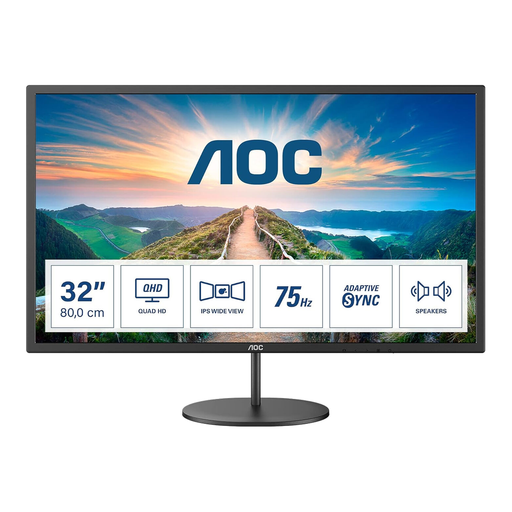
AOC Q32V4 31.5-inch 2K IPS monitor
Consider the larger screen if you want room for card-game interfaces at your desk. The product name specifies a 31.5-inch 2K IPS display, Adaptive Sync and built-in speakers; confirm how your headphones would connect to your particular setup.
View on Joybuy
 No image available
LG UltraGear G8 27G850A 27-inch 4K Nano IPS monitor
The 27-inch 4K display may suit a desk used for detailed card interfaces as well as other games. The product name identifies dual refresh modes; check the resolution and refresh combination your device can deliver, along with the intended headphone connection.
View on Joybuy
 No image available
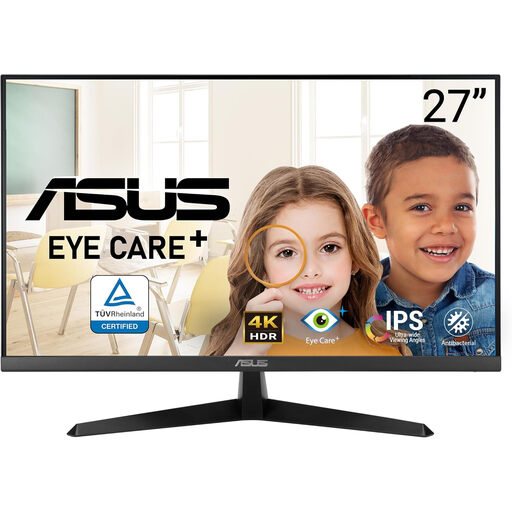
ASUS Eye Care VY27UQ 4K UHD 60Hz monitor
Consider this resolution-focused option if reading cards and menus matters more to you than a high refresh rate. Its product name specifies 4K UHD and 60Hz; check whether that refresh rate also suits the other games you play.
View on Joybuy
 No image available
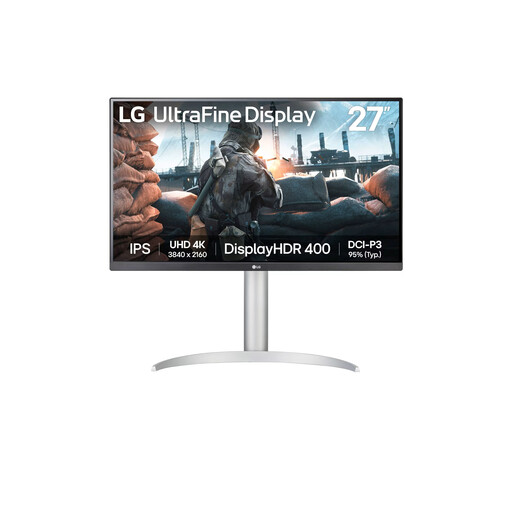
LG UHD 27UP650K 27-inch 4K IPS monitor
The 27-inch 4K IPS format suits buyers prioritising detailed desktop content. The product name specifies 60Hz, built-in speakers, HDMI and DisplayPort; confirm the exact number of HDMI inputs if you need to connect multiple devices, and check your headphone audio route separately.
View on Joybuy
 No image available
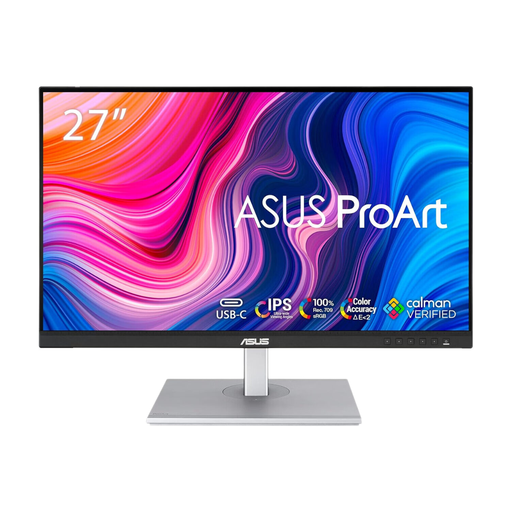
ASUS ProArt PA278CFRV IPS QHD 100Hz monitor
This QHD option is worth considering if card games share a desk with other screen-based tasks. The product name specifies an IPS panel and 100Hz; if you need monitor-side headset audio, confirm the audio jack’s type and compatibility before choosing it.
View on Joybuy
Frequently asked questions
Do I need a 180Hz or 240Hz monitor mainly for card games?
Not necessarily: start with a readable display and a working audio connection for a card-game-focused setup. A higher refresh rate becomes more relevant if you also play fast-moving games and your PC or console can output the required mode.
Must my headphones plug into the monitor?
No: the headset can use a connection supported by your PC, console or controller instead. Xbox Support says a compatible headset can connect directly to an Xbox Wireless Controller with a 3.5mm port; use a monitor headphone output only when your source sends audio to that display and the connection suits your headset.
Should I choose QHD or FHD for a 27-inch card-game screen?
Choose 27-inch QHD if you value more pixels for card text, artwork and desktop content and your device supports the desired mode; 27-inch FHD remains an option when that extra detail is not your priority. Compare each monitor’s native resolution and the resolution and refresh rate available through your intended input.
Should I check CE or UKCA marking when buying a monitor for Great Britain?
Yes: check the marking relevant to the exact product and its intended market. GOV.UK guidance says Great Britain continues to recognise CE marking alongside or instead of UKCA marking where applicable; Great Britain covers England, Scotland and Wales, so check the separate applicable requirements if you are buying for Northern Ireland.


