Detail-first digital board gamers
If you regularly read small card text, tooltips and player dashboards, compare screen size, resolution and the game’s text-scaling options before paying extra for speed you may not use.


For long sessions spent reading cards, maps and menus, start with screen detail and an adjustable viewing position rather than refresh rate alone. A 27-inch QHD display is a practical starting point; consider 4K if finer detail matters to you and your device supports the output you want. Check connections carefully if you also need laptop charging or play faster-paced games.
If you regularly read small card text, tooltips and player dashboards, compare screen size, resolution and the game’s text-scaling options before paying extra for speed you may not use.
If you play for hours at a desk, look for a screen you can position around your chair, desk and lighting. Stand adjustment helps with placement, but breaks and changes of activity still matter.
If you alternate between devices or use several peripherals, check the exact display inputs, cable requirements and USB-C functions. A USB-C connector alone does not establish video output or adequate laptop charging.
For extended digital board-game sessions, decide which need drives your choice: reading dense information, positioning the screen comfortably or connecting your devices. At 27 inches, QHD offers more pixels than Full HD, while 4K offers more again; whichever you choose, check that your game’s interface can be scaled to a readable size.
| Concern | What to check | Who this matters to |
|---|---|---|
| Readable game information | Compare native resolution at your chosen screen size, then check your device’s output and the game’s interface scaling. | If small cards and crowded maps dominate my sessions, I want text I can read at my usual viewing distance. Around 42% of consumers put readable game information first. |
| Long-session setup | Check stand adjustment or mounting compatibility and consider where reflections fall at your desk. | When I stay at the desk for hours, I need to position the display around my seating and lighting rather than rely on an eye-care setting. Comfortable setup comes first for around 33% of consumers. |
| Device connections | Confirm the required video mode, port and cable; for a laptop, check USB-C video support and charging requirements. | If I switch between a laptop and desktop, the screen must work with both before its other features matter. Connection fit is the primary concern for around 25% of consumers. |
A high refresh-rate figure does not tell you whether small game text will be readable, the stand will suit your desk or your device can use the advertised display mode.
Set your screen-size and resolution requirements first. Check refresh-rate support through the exact device, port and cable if you also play faster-paced games.
USB-C video and laptop charging depend on the monitor, laptop and cable. A monitor’s stated power-delivery rating does not establish what a particular laptop needs or accepts.
Check your laptop’s video-output specification and charging requirement against the monitor manual before planning a single-cable setup.
The Health and Safety Executive identifies fatigue, eye strain and physical discomfort as possible consequences of unsuitable display-screen use or workstation design. A labelled monitor feature is not a substitute for positioning and breaks.
Arrange the screen to limit reflections, check its adjustment range or mounting compatibility, and take breaks or change activity during prolonged sessions.
Monitors with similar names can differ in the features that determine whether they fit your desk and devices.
Check the complete model number and variant, panel specification, inputs, supplied stand and warranty terms on the product-detail page.
These brands provide useful specification examples for comparing resolution, adjustment and connectivity; their inclusion does not indicate which models are available from a particular retailer.
BenQ’s cited home-monitor range includes adjustable QHD and Full HD models relevant to a desk used for longer sessions.
Dell’s cited 27-inch monitors illustrate QHD and 4K IPS configurations with adjustable stands.
LG’s 27UP85ZK-W is a 4K IPS example for buyers considering an adjustable display with laptop connectivity.
These QHD and 4K monitors are options to compare when on-screen detail matters during digital board games. Check the size and panel type as well as resolution: the larger curved OLED model, for instance, calls for a different desk-space and static-interface decision from a 27-inch display.
 No image available
Consider this 4K option if fine map and card detail is your priority. The title identifies a 27-inch Nano IPS display and dual 240Hz/480Hz modes; check which resolution applies to the mode you intend to use and whether your device and cable support it.
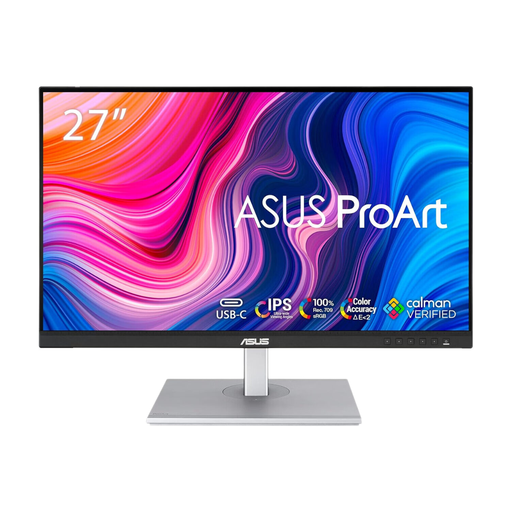 No image available
Consider this QHD model if reading game information matters more than pursuing an especially high refresh rate. Check the stand and your device’s QHD output before buying; if laptop docking matters, confirm the exact USB-C functions and charging capability for this variant.
 No image available
Consider the larger curved format if it suits your desk and preferred viewing position. The title specifies 3840 × 2160 resolution, 165Hz and Type-C 65W; check the display mode your device and cable can deliver, particularly if you intend to use 4K at a high refresh rate.
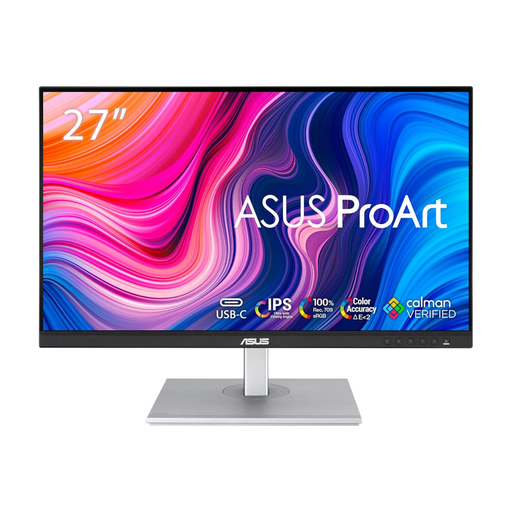 No image available
Consider this WQHD model for a detail-led desk setup. If you want to connect and charge a laptop through USB-C, confirm the required power delivery and video mode for your laptop; also check that your device supports the display mode you plan to use.
 No image available
Consider this QHD model if you also want its stated 240Hz capability for other games, provided your device supports the mode. For board games with interface elements that stay in place, weigh the product warning against leaving static images on screen for long periods because of OLED burn-in risk.
Not as the starting point for games centred on reading cards, maps and menus. Choose readable resolution, suitable screen placement and working connections first; then consider the refresh rate you want for any faster-paced games and confirm that your device can output it.
Position it to limit reflections and allow a comfortable viewing position, and take breaks or change activity during prolonged use. The Health and Safety Executive’s display-screen guidance is written for workstations, but its advice on setup and breaks offers practical context for a home desk; an eye-comfort mode does not replace those steps.
Yes, if the monitor, laptop and cable support the required video and charging arrangement. BenQ specifies 65W power delivery for the GW2790QT and LG specifies up to 90W for the 27UP85ZK-W; compare the exact monitor’s functions with your laptop’s video-output and power requirements rather than relying on the connector shape.
Ask the retailer how to return the old monitor through its electrical-waste take-back arrangements. GOV.UK states that retailers must offer take-back of waste of the same type as the item purchased; confirm the retailer’s handover or collection arrangements before disposing of yours.