Ultrawide simulation-view seekers
Seated players who put horizontal game space ahead of 4K detail, provided their simulator handles an ultrawide image and its interface as intended.


Choose a 21:9 ultrawide for a broader horizontal view if your orbital simulator supports the format; choose a 4K 16:9 screen if detail in small interface elements matters more. A smaller dual-resolution monitor suits a desk-limited setup or a mix of detail-focused and higher-refresh games, but whichever route you take, check the PC connection, supported display mode and seated viewing position before buying.
Seated players who put horizontal game space ahead of 4K detail, provided their simulator handles an ultrawide image and its interface as intended.
Players who prioritise 4K detail for small on-screen information and are content with a conventional 16:9 view, subject to what their PC can run.
Consumers who want a smaller display for a seated setup and expect to switch between a detail-oriented mode and a lower-resolution, higher-refresh mode.
Start with the simulator's supported image format and the space in front of your seat, then check which resolution, refresh rate and variable refresh rate your complete PC connection can use.
| Concern | What to check | Who this matters to |
|---|---|---|
| Horizontal simulation view | Check the simulator's 21:9 support and interface scaling; measure desk depth before choosing a large curved screen. | If I want to see more of a supported simulation view to either side while remaining centrally seated, width takes priority over 4K detail. Around 42% of consumers put that horizontal view first. |
| Fine interface detail | Check native 4K support, interface scaling and whether your PC can run the intended settings. | Small instrument readouts and controls matter more to me than an ultrawide image. For around 33% of consumers, that detail is the primary concern. |
| Compact, flexible setup | Check available desk space and stand adjustment; confirm the resolution and refresh rate for each mode through your intended port and cable. | I have limited room or play games with different display priorities, so I want a smaller screen with a choice of modes. That flexibility comes first for around 25% of consumers. |
A monitor's stated refresh rate does not establish the frame rate your simulator will deliver. NVIDIA and AMD describe variable refresh rate benefits under compatible display and graphics conditions.
Check your GPU, operating system, output port, cable and simulator settings against the exact monitor mode you plan to use.
LG describes the 800R curve of its 45GS96QB-B around an 800 mm viewing-distance assumption. That does not establish a suitable position for every chair and desk; the Health and Safety Executive advises keeping a display directly in front, with its top near eye level and roughly an arm's length away for display-screen work.
Measure the usable desk depth and your seated eye-to-screen distance before choosing a large curved model.
A 4K 16:9 screen and a 3440 × 1440 21:9 screen address different priorities: fine detail and horizontal format respectively. The simulator's aspect-ratio and interface-scaling behaviour affects which is useful.
Check the specific simulator's supported aspect ratios, field-of-view controls and interface scaling before deciding.
GOV.UK guidance says electronic displays within scope need an energy label and product information sheet. Screen size alone is not a sound basis for comparing their energy information.
Compare the label and information sheet for the exact models and variants you are considering.
Two different formats are relevant here: the AW3425DW ultrawide and the smaller AW2725QF dual-resolution monitor.
The 45GS96QB-B represents a particularly large, strongly curved ultrawide option for a central seated position.
The Odyssey OLED G8 G80SH is a 32-inch 4K alternative for consumers who favour detail over an ultrawide format.
These choices include monitors for a wider simulation view, a detail-focused display and a smaller dual-mode setup. Match the format to your simulator before comparing individual models.
 No image available
Consider this for a wider simulation view if your simulator supports the intended format. Its product title specifies WQHD and 240 Hz; check the required connection and settings before relying on that refresh rate.
For sessions with persistent interface elements, check the OLED screen-care guidance and whether the screen fits your seated position.
 No image available
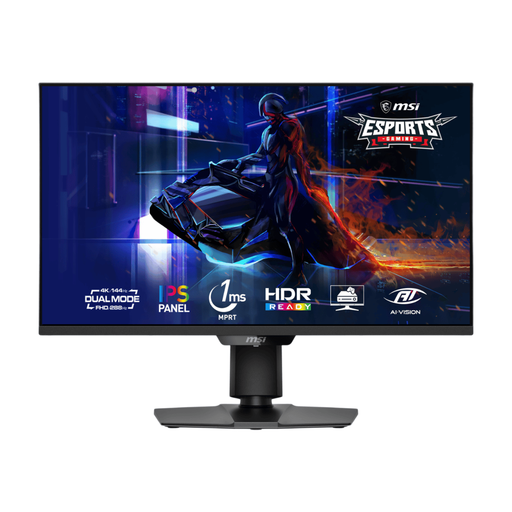
This is a smaller-screen option if you want to choose between detail and a higher-refresh mode. The stated alternatives are UHD at 144 Hz and Full HD at 288 Hz, with Adaptive Sync; they cannot be used simultaneously.
Confirm which mode your simulator and PC can use through the intended connection.
 No image available
Consider this ultrawide option if horizontal game space is your priority. Check the simulator's handling of the display format and interface scaling, as well as your available desk space.
 No image available
This model is worth considering when on-screen detail takes priority over ultrawide width. Check the exact model's variable refresh rate compatibility if that matters to your setup, and confirm the resolution and refresh rate available from your PC connection.
This is the LS32DG802SUXXU variant, not the G80SH model discussed in the brand section.
 No image available
This is a detail-focused curved option if its size and shape suit your seated desk setup. Its product title specifies 3840 × 2160 resolution and 165 Hz; confirm that your PC connection can use the intended mode.
Check variable refresh rate support for the exact model if it is important to you, and confirm its dimensions before buying.
Choose it for that refresh-rate capability only if your PC connection and simulator can make use of it. Check the frame rate you expect at your chosen resolution and settings; NVIDIA and AMD describe variable refresh rate benefits under compatible graphics and display conditions, not as a guarantee of simulator performance.
Position it directly in front of you and check that its top can sit near eye level. The Health and Safety Executive's display-screen guidance suggests roughly an arm's length of viewing distance; for LG's 45GS96QB-B, also assess whether the manufacturer's 800 mm assumption for its 800R curve fits your desk and posture.
Do not apply one marking rule to both Great Britain and Northern Ireland. GOV.UK guidance dated 31 March 2026 lists UKCA or CE for electrical equipment placed on the Great Britain market, while its Northern Ireland entry lists CE, or UKNI and CE; check the rules applicable to the product and where it will be sold.
Compare the energy labels and product information sheets for the exact models. GOV.UK says electronic displays within scope require this information, so use the relevant model and variant documents rather than assuming that screen size alone determines energy use.