If one wall socket must serve a laptop-based strategy setup, look for a monitor that can carry the laptop’s video signal and supply enough USB-C power to replace its separate charger at the desk. The monitor still needs mains power. Choose screen size and resolution for the maps and menus you use, then weigh extra width and refresh rate against desk space, graphics demands and your other games.
Who this setup suits
Laptop players with one usable wall socket
If the monitor can provide compatible USB-C video and enough charging power, you may be able to leave the separate laptop charger unplugged at the desk. Check the laptop’s requirements before prioritising refresh rate.
Players who need readable maps and menus
If you regularly compare unit information, maps, research trees and tooltips, screen dimensions and resolution deserve attention before extreme refresh rates. A wider display also needs room on the desk.
Strategy players who also play faster games
If turn-based games are your main use but faster games are part of the mix, a higher refresh rate may matter more. Built-in speakers or input-switching features may also reduce the number of separate desk devices you need.
What matters when choosing
Start with the laptop connection if freeing a socket is the aim. Once that works for your laptop, decide how much map and menu space you want, and whether your other games justify a higher refresh rate.
| Concern |
What to check |
Who this matters to |
| Laptop charging and cables |
Confirm USB-C display output and charging on the laptop, then compare its power requirement with the monitor’s Power Delivery output. Check the cable’s supported functions too. |
If my laptop charger uses the socket I need for the monitor, I want one compatible USB-C connection to handle video and charging. Around 42% of consumers put that socket-saving need first. |
| Map and menu space |
Compare physical size and resolution, then check that the screen fits the desk and that the computer can drive its native resolution. |
When maps, tooltips and information panels compete for space, I want to see more without constantly changing the view. For around 33% of consumers, that workspace is the primary concern. |
| Other games and desk convenience |
Choose refresh rate with your faster games in mind; check whether speakers or input-switching features would replace separate desk devices. |
I mostly play turn-based games but also want the monitor to suit faster games and a less cluttered desk. That mix comes first for around 25% of consumers. |
Buying pitfalls
-
Assuming any USB-C port will replace the laptop charger
USB-C describes the connector, not every function it supports. The laptop must accept video output and charging over USB-C, while the monitor must provide a compatible video connection and enough Power Delivery for that laptop.
Check the laptop manual and the monitor’s connection specification together before relying on a single cable.
If those requirements do not line up, you may still need the laptop’s original charger or another compatible connection.
-
Choosing refresh rate before screen workspace
A high refresh-rate figure does not increase how much map or menu information fits on screen. A larger, higher-resolution display may provide more room, but its native resolution also places greater demands on the computer’s graphics hardware.
Settle on a screen size and resolution that suit your desk and computer, then decide how much refresh rate your other games warrant.
-
Treating a multi-way adaptor as unlimited capacity
Electrical Safety First warns that overloading an extension lead, cable reel or block adaptor can cause overheating and fire.
Check the marked rating against everything connected to it, fully unwind cable reels and avoid connecting one extension lead to another.
-
Choosing an ultrawide screen without checking the desk
A 45-inch curved display such as LG’s 45GX950A needs a different physical layout from a 27-inch monitor. Its 5120 × 2160 native resolution is another consideration for the computer driving it.
Measure the available desk space and consider your viewing position and other screen uses before committing to a large curved format.
Brands to consider for these monitor features
Dell
Dell UK specifies the S2725DC as a 27-inch QHD monitor with 144Hz, USB-C DisplayPort Alt Mode and up to 65W Power Delivery.
- Its USB-C connection and integrated speakers are relevant to a laptop desk where separate connections and devices matter.
- Check that the laptop supports video and charging over USB-C and can use the monitor’s stated power output.
BenQ MOBIUZ
BenQ UK specifies the EX271Q as a 27-inch QHD gaming monitor with up to 180Hz, USB-C DisplayPort Alt Mode, 65W Power Delivery and KVM input switching.
- It brings laptop connectivity and input switching together for a desk used with more than one device.
- The monitor still needs mains power. Check the laptop’s charging requirement rather than assuming 65W is sufficient.
LG UltraGear
LG UK specifies the 45GX950A as a 45-inch, 5120 × 2160 ultrawide OLED monitor with USB-C Power Delivery up to 90W.
- Its 21:9 format is worth considering when room for maps and adjacent information is a priority.
- Check desk fit, the 800R curve and graphics capability before choosing this larger format. Its USB-C output does not remove its own need for mains power.
MSI
MSI UK describes the G274QPX as a 27-inch WQHD gaming monitor with 240Hz and USB-C DisplayPort Alt Mode with device power up to 65W.
- The refresh-rate specification may be relevant if faster games share the desk with turn-based strategy.
- For strategy-first use, weigh that extra refresh rate against screen space and the laptop’s connection and charging needs.
Joybuy monitors for this setup
These monitors offer different screen formats for strategy-game desks, from conventional QHD and 4K displays to ultrawide options. If replacing a laptop charger is essential, check video support and charging power for the exact monitor and laptop rather than relying on the presence of USB-C alone.
 No image available
Acer X Predator X49X 49-inch curved QD-OLED monitor
Consider this wide format if fitting maps and panels across one screen matters more to you than keeping a compact desk layout.
49-inch, 32:9 display; 1800R curve, Double Quad HD resolution and 240Hz refresh rate. Check desk fit and your laptop’s USB-C video and charging requirements before planning a one-cable setup.
View on Joybuy
 No image available
LG UltraGear 34GX900A-B 34-inch OLED monitor
Its ultrawide format is an option for players who want more horizontal room for a strategy-game view.
The product name specifies WQHD and 240Hz. Consider how long static game-interface elements remain on an OLED screen, and confirm laptop connection and charging compatibility if freeing a socket is the goal.
View on Joybuy
 No image available
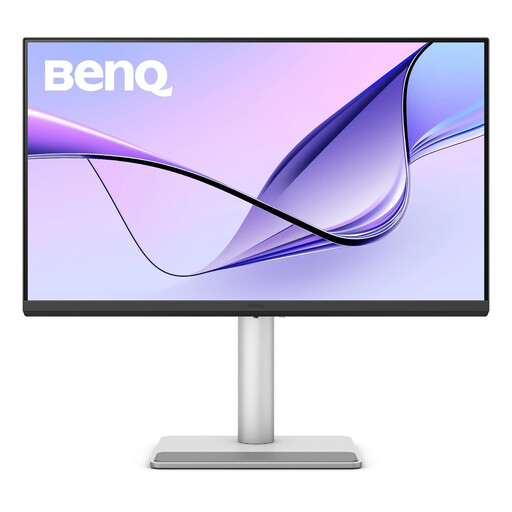
BenQ MA270UP 27-inch 4K USB-C monitor
This Mac-focused display is worth considering if a conventional-sized, high-resolution workspace matters more than gaming-specific features.
The product name specifies a Nano Glossy IPS panel and a height-adjustable stand. Check the laptop’s USB-C video and charging requirements against the monitor’s capabilities before relying on it to replace a charger.
View on Joybuy
 No image available
Dahua 32-inch curved 4K OLED gaming monitor
Consider the larger 4K screen if map detail is a priority and the display fits your desk and computer.
The product name specifies 3840 × 2160, 165Hz and Type-C 65W. Confirm whether its Type-C connection carries the video signal your laptop needs; charging power alone does not establish a one-cable setup.
View on Joybuy
 No image available
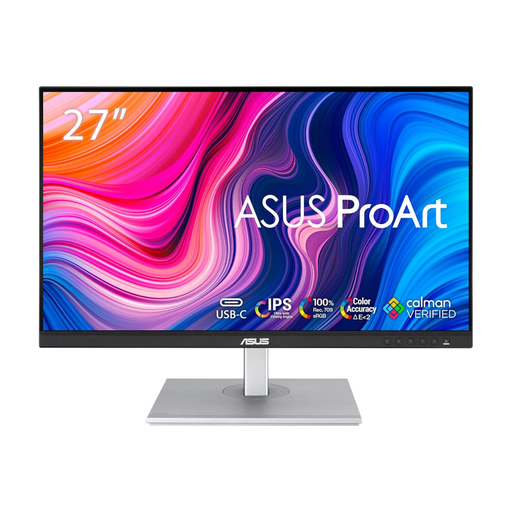
ASUS ProArt PA278CV IPS WQHD monitor
This conventional WQHD format may suit a strategy-game desk where screen detail matters more than a wide or high-refresh gaming format.
Check the exact USB-C video and Power Delivery capabilities, including charging wattage, against your laptop before counting on one cable to free a socket.
View on Joybuy
Common questions
Can a USB-C monitor free the socket used by my laptop charger?
Yes, if the laptop supports both USB-C video output and charging, and the monitor supplies enough Power Delivery for it. For example, Dell UK specifies up to 65W for the S2725DC, while LG UK specifies up to 90W for the 45GX950A; check your laptop’s requirement rather than assuming either output will suffice.
Does USB-C Power Delivery mean the monitor needs no wall socket?
No. Power Delivery describes power sent to a connected device; the monitor still needs its own supply. BenQ UK specifies a built-in mains power supply for the EX271Q.
Do turn-based strategy games require a 240Hz monitor?
No, 240Hz need not be your starting requirement for turn-based play. Choose the screen space and laptop connection you need first; consider a higher refresh rate if faster games are also important to you.
What should I check before using an extension lead?
Check the rating marked on the lead and the combined load of the devices connected to it. Electrical Safety First warns against overloading extension leads, cable reels and block adaptors; fully unwind a cable reel and do not connect extension leads to each other.


