Competitive FPS squads
Players practising rapid calls and target tracking in fast PC matches may put refresh rate and motion clarity ahead of space for maps or other desktop windows.


Choose a compact, very-high-refresh monitor if team practice centres on fast PC matches and your system can deliver the frame rates you want. Choose a 27-inch QHD monitor if reading maps, reviewing tactics and keeping on-screen information visible matter alongside responsive play. A monitor addresses the visual side of practice; voice chat still depends on a separate audio and connection setup.
Players practising rapid calls and target tracking in fast PC matches may put refresh rate and motion clarity ahead of space for maps or other desktop windows.
Players who want a responsive game view as well as room to read maps, follow on-screen information and review recordings may favour a QHD workspace.
Players who practise and review matches at the same desk need to consider screen position, stand adjustment and the space available around the monitor.
Decide whether fast visual updates or room for tactical information is the stronger reason for replacing your screen. Then check whether your device and connection can run the display mode you intend to use.
Choose when: Fast PC matches are the priority and your system can produce frame rates that make use of a very high refresh rate; ZOWIE lists its 24.5-inch XL2566K at 360Hz.
Trade-off: The XL2566K’s Full HD format offers fewer pixels for maps and desktop information than QHD; ZOWIE’s motion-clarity statements are manufacturer claims.
Choose when: Maps, tactical review and other on-screen information matter alongside fast play; ASUS, LG and MSI each list a 27-inch QHD, 180Hz IPS-type model.
Trade-off: Running games at QHD and a high frame rate places different demands on your PC than Full HD. Manufacturer response-time figures do not establish a like-for-like motion-performance comparison.
| Concern | What to check | Who this matters to |
|---|---|---|
| Fast motion | Check the refresh rate at your chosen resolution and whether your PC, port and cable can deliver that mode. | When rapid calls depend on spotting movement, I want screen updates to keep pace with the game. Around 40% of consumers put competitive responsiveness first. |
| Tactical readability | Compare screen size and native resolution, then consider the frame rate your PC can maintain at QHD. | If I review footage and keep maps or overlays visible, I need space to read them without giving up responsive play. For around 30% of consumers, that workspace is the primary concern. |
| Variable frame rates | Match the exact model’s adaptive-sync support and operating modes to your graphics hardware or console. | When my game’s frame rate varies, I want a display mode compatible with my equipment. Compatible variable-refresh-rate play comes first for around 20% of consumers. |
| Desk setup | Check stand adjustments, mounting compatibility and the space available on your desk. | For long practice and review sessions, I need to position the screen comfortably within my desk setup. Around 10% of consumers make that their primary monitor concern. |
A gaming monitor can help with the visual side of coordinated play, but spoken communication depends on audio equipment, chat software and the connection.
Work out whether the difficulty is seeing game information, capturing speech, hearing teammates or maintaining a connection before deciding what to replace.
The communication setup may also require a headset or microphone.
The highest mode listed for a monitor is not necessarily the mode your PC or console can output at your preferred resolution.
Check the exact model’s supported modes by input, your device’s output and the cable you plan to use.
Reaching the intended mode may require a different compatible cable or source device.
Manufacturer-stated response times for different models do not, by themselves, establish which screen will look clearer in motion.
Compare each model’s resolution, refresh rate, panel and connections first; seek comparable independent testing if motion behaviour will decide the purchase.
A monitor must fit the desk as well as the game. The Health and Safety Executive identifies fatigue and discomfort as possible issues with overuse or poorly arranged display-screen workstations.
Check the stand and mounting options against your desk, and ask the retailer how to return an old monitor when ordering a replacement.
A separate monitor arm may be needed if the supplied stand cannot provide the position you need.
These examples illustrate different monitor lines, not a judgement about every model a brand makes.
ZOWIE by BenQ UK lists the 24.5-inch XL2566K as a Full HD TN esports monitor with 360Hz refresh and DyAc+.
ASUS lists the VG27AQ3A as a 27-inch, 2560 × 1440 Fast IPS monitor at 180Hz, with FreeSync Premium and G-SYNC compatibility.
LG UK lists the 27GS75QN-B as a 27-inch QHD IPS monitor at 180Hz, with an overclocked 200Hz mode.
MSI lists the MAG 274QRF QD E2 as a 27-inch QHD Rapid IPS monitor at 180Hz.
These monitors offer different combinations of refresh rate, resolution and screen size for the visual side of team practice. Match each one to your preferred game mode, connection and desk setup rather than treating the list as a ranking of voice-chat equipment.
 No image available
Consider this model if you want to choose between high-refresh play and a high-resolution view for tactical detail.
Its product name specifies a 27-inch 4K UHD Nano IPS display, dual 240Hz and 480Hz modes, HDMI 2.1 and DisplayPort 2.1. Confirm the resolution and source-device requirements for the mode you intend to use.
 No image available
Consider its QHD screen if you want space for tactical information while keeping a high-refresh gaming mode.
The product name specifies a 27-inch OLED display at 240Hz. Check the refresh and variable-refresh-rate modes available through your device and chosen connection.
 No image available
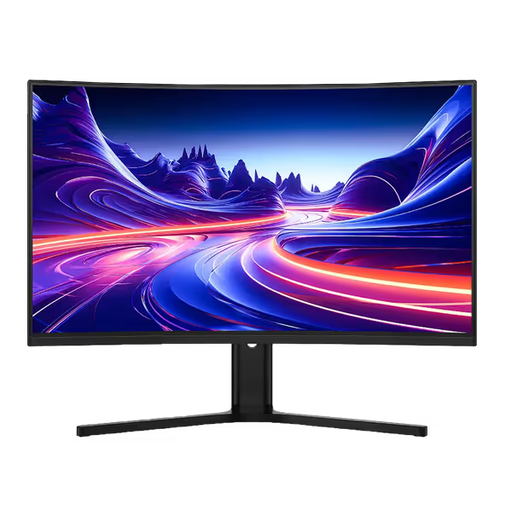
Consider the larger curved format if you want game information visible on one screen and have room for it on your desk.
The product name specifies 2560 × 1440 resolution, a VA panel and 180Hz refresh. Check the refresh mode available over your intended input and confirm adaptive-sync support if you need it.
 No image available
Its 27-inch QHD format is relevant if you want room to read tactical information alongside fast multiplayer play.
The product name specifies 2560 × 1440 resolution and 220Hz refresh. Check the supported mode for your intended input and whether the stand adjusts to suit your desk.
No image available
Consider this larger curved screen if you want QHD game detail and can accommodate its size and viewing distance.
The product name specifies 2560 × 1440 resolution, 165Hz refresh and VESA 100 × 100 mm mounting. Check the connection needed for your preferred refresh mode and whether the stand suits your desk.
Not by itself: a monitor helps you see the game and tactical information, while voice capture and playback need separate equipment. If teammates cannot hear you clearly, check the microphone, chat software and connection rather than assuming a new screen will fix it.
No. A compact 360Hz screen is relevant when fast PC matches are the main task and your system can produce suitably high frame rates. If reading maps and reviewing recordings matter more, a 27-inch QHD screen may fit the practice routine better; confirm the frame rate you can maintain at that resolution.
Check the exact model’s supported resolution and refresh rate for the input you will use, then match them to your PC or console output and cable. Confirm adaptive-sync compatibility separately if variable-refresh-rate play matters to you.