Choose a shape you can control comfortably, then decide whether you prefer a cable-free desk or no charging routine. A lightweight symmetrical wireless mouse is worth considering for broad, fast swipes; a right-handed contoured shape may suit a palm or claw grip; and a wired model avoids charging but needs cable space. In a bright room, check the desk or mouse-pad surface before treating the lighting as a reason to replace your mouse.
Who should consider these options?
Players who make broad, fast swipes
If you play at low sensitivity and often lift or reposition your mouse, weight and shape are worth assessing together. Logitech G and Razer list lightweight competitive models, but their specifications do not establish which shape will fit your hand.
Right-handed palm or claw-grip players
A contoured shape may be worth comparing with a more neutral body. Razer positions its DeathAdder line for right-handed palm and claw grips, while Logitech G describes the PRO X SUPERLIGHT 2 DEX as asymmetrical.
Players using a reflective or glossy desk
Check the mousing surface before blaming room lighting or replacing the mouse. Logitech Support advises trying another surface when tracking is unreliable on glass, reflective or very glossy finishes.
What matters when choosing?
Start with the surface and the shape that suits your grip. Then weigh the freedom of wireless movement against receiver placement and charging, or the cable management required by a wired mouse.
| Concern |
What to check |
Who this matters to |
| Consistent tracking |
Try a consistent mouse pad if the desk is glass, reflective or very glossy; check whether the exact mouse offers surface tuning. |
If my cursor skips on a glossy desk, I want to sort out the surface before replacing a mouse that may otherwise suit me. Around 29% of consumers put surface consistency first. |
| Movement and connection |
Compare the exact model’s weight, wired or wireless connection and supported polling modes. For wireless use, plan where the receiver will sit. |
For broad, quick swipes, I want a mouse I can reposition readily without an awkward cable or connection setup. Roughly 29% of consumers prioritise movement and connection. |
| Grip and shape |
Match the contour and button reach to your hand and usual grip; do not use weight alone as a fit test. |
During repeated inputs, I need the mouse to sit comfortably in my hand and let me reach its buttons reliably. Around 24% of consumers make grip fit their primary concern. |
| Charging routine |
For wireless models, check battery claims under the mode you intend to use and how charging works; for wired models, allow for cable routing. |
I would rather manage a cable than remember to charge before a match, or I want a wireless routine I can plan around. About 18% of consumers put that routine first. |
Buying mistakes to avoid
-
Blaming bright room lighting for tracking skips
A problematic desk finish can affect tracking regardless of the room lighting. Logitech Support advises avoiding glass, reflective and very glossy surfaces when tracking is unreliable.
Try a consistent mouse pad, check the sensor opening for dust and compare tracking on another surface before deciding to replace the mouse.
-
Overlooking wireless receiver placement
A receiver placed away from the mouse adds a connection variable to troubleshoot during matches. Logitech Support advises keeping its gaming-mouse receiver close to the mouse.
Check the exact model’s receiver and extension arrangement, and plan a position near the mouse that suits your desk.
-
Choosing by DPI or polling rate before shape
Specification figures cannot tell you whether a right-handed contour or a more neutral shape suits your grip. Logitech G describes the DEX as asymmetrical, and Razer positions the DeathAdder line for right-handed palm and claw grips.
Compare contour and button reach first, then check the exact model’s supported settings and connection requirements.
Brands to consider
These product lines illustrate different shape and connection choices; assess the exact model rather than assuming every mouse from a brand has the same fit or features.
Logitech G
The PRO X SUPERLIGHT 2 offers a lightweight wireless option, while the PRO X SUPERLIGHT 2 DEX has an asymmetrical, right-handed shape.
- Logitech G lists both models at 60 g and specifies an up-to-8 kHz polling option for the PRO X SUPERLIGHT 2.
- The DEX is not a neutral-shape choice; wireless use also calls for receiver placement and charging.
Razer
The Viper V3 Pro is a lightweight wireless option; the DeathAdder line provides a right-handed contour, including a wired DeathAdder V3.
- Razer lists the Viper V3 Pro at 54 g with lift-off controls and the wired DeathAdder V3 at 59 g.
- The different shapes suit different grip preferences; the DeathAdder’s cable still needs room on the desk.
SteelSeries
The Aerox 3 Wireless Gen 2 is another wireless model to compare if charging intervals and configurable settings matter to you.
- SteelSeries lists a 4 kHz polling mode and claims up to 120 hours of use on 2.4 GHz wireless for this model.
- Check the mode behind the battery claim, as well as hand fit and tracking on your own surface.
Joybuy gaming mice for arena matches
These models cover wired and wireless choices, with different shapes to consider for fast swipes or a right-handed grip. Check each model against your hand, desk surface and connection routine.
 No image available
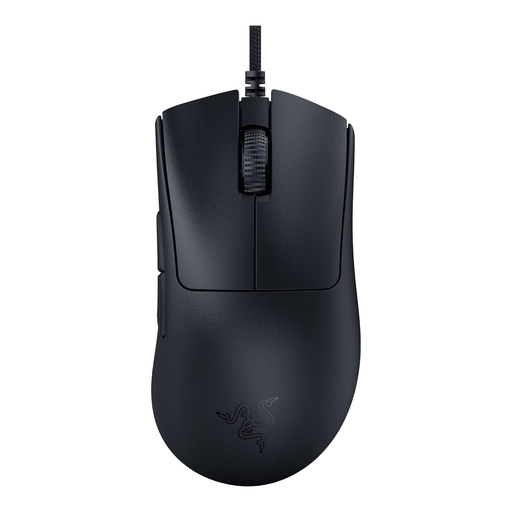
Razer DeathAdder V3 Ergonomic Esports Mouse
Consider this wired model if you prefer a right-handed contour and want to avoid charging; check its button reach and cable route.
Razer lists the DeathAdder V3 at 59 g. Confirm the polling mode for this particular product before relying on a quoted rate.
View on Joybuy
 No image available
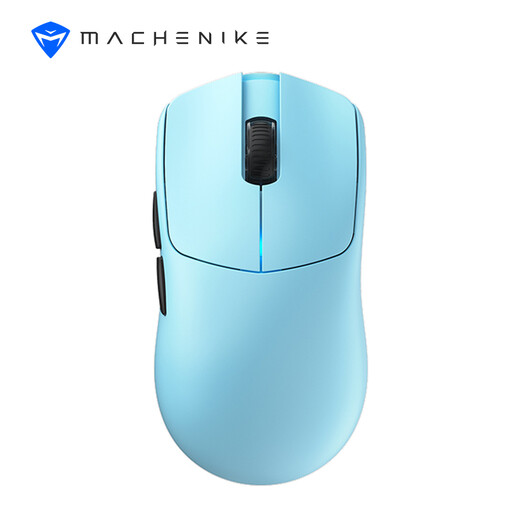
MACHENIKE L9 X1 Wireless Mouse 8K-Blue 3395
Consider this wireless option if you prefer a less contoured shape for repeated swipes; check its dimensions against your grip.
Plan where its receiver will sit and confirm the connection mode and charging routine you intend to use.
View on Joybuy
 No image available
AJAZZ AJ159 APEX Wireless Gaming Mouse, Magnetic Charging Base
Consider this model if you want a lightweight wireless shape and expect to lift and reposition the mouse often; check how it fits your hand.
The product name lists 56 g, a PAW3950 sensor, an 8 kHz polling-rate claim and a magnetic charging base. Confirm the connection modes, included accessories and maximum DPI for this variant before buying.
View on Joybuy
 No image available
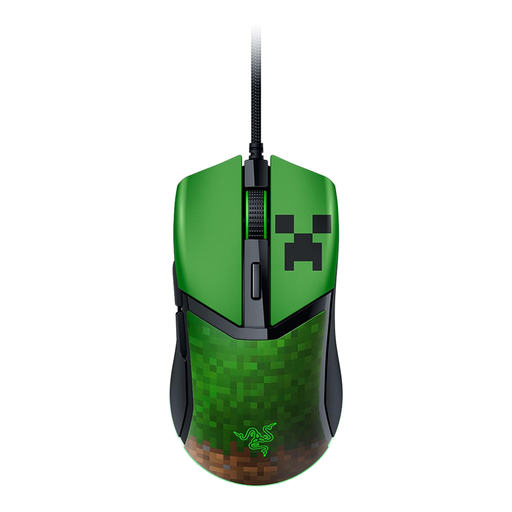
Razer Cobra Wired Gaming Mouse, Minecraft Edition
Consider this wired option if avoiding a charging routine matters more to you than a cable-free desk; check its shape against your grip.
Minecraft Edition identifies the variant, not a competitive performance feature. Check the polling rate and sensor specification if either affects your choice, and leave room to route the cable.
View on Joybuy
 No image available
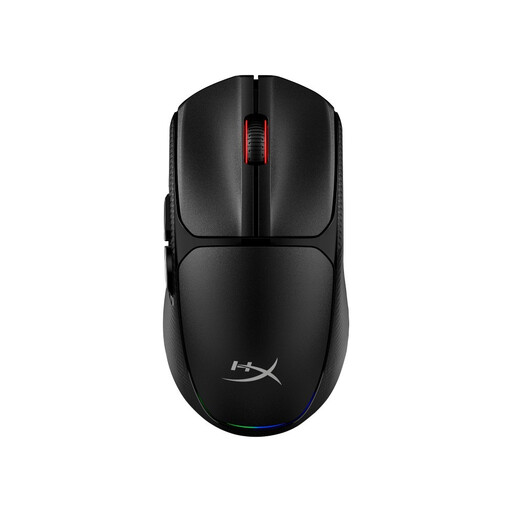
HyperX Pulsefire Fuse Wireless Gaming Mouse
Consider this wireless model if you are looking for a right-handed grip; check its contour and button reach before choosing it for long sessions.
Plan receiver placement and charging. If weight, polling rate or battery runtime will decide your choice, confirm those figures for this model.
View on Joybuy
Common questions
Do I need a special mouse sensor to play in a bright room?
Do not choose a sensor on room brightness alone. If tracking skips, check the surface first: Logitech Support advises trying another surface when a mouse behaves unreliably on glass, reflective or very glossy finishes. A consistent pad and a clean sensor opening are sensible checks before replacing the mouse.
How should I position a wireless mouse receiver for online matches?
Place it close to the mouse, following the instructions for your model, and keep the setup clear of nearby wireless interference where practical. Logitech Support advises keeping its gaming-mouse receiver within 20 cm of the mouse; check whether the model you choose provides a suitable receiver extension for your desk.


