Players who use frequent shortcuts
If you regularly navigate maps, menus or repeated commands, reachable extra controls may be useful. Check whether you can assign the actions you actually use without changing your grip.


For board-game adaptations at a home-office desk, choose controls you can reach and configure comfortably rather than treating maximum sensor sensitivity as the deciding feature. A wired mouse suits a fixed desk if you do not want to manage power; wireless is worth considering when cable-free positioning or using more than one device matters. Whichever you choose, judge the shape and button placement alongside your wider desk setup.
If you regularly navigate maps, menus or repeated commands, reachable extra controls may be useful. Check whether you can assign the actions you actually use without changing your grip.
If the same mouse stays at your work desk, consider its position and your grip as well as its gaming controls. The Health and Safety Executive advises placing a work mouse in line with your elbow as part of the wider workstation setup.
If you move between a desktop and a laptop, or want more freedom to position the mouse, compare the connection modes each model offers. Wireless use also means managing charging or batteries.
Start with the commands and desk arrangement you use most often. Then decide whether a fixed wired connection, wireless flexibility or a lighter mouse deserves priority.
Choose it when: One home-office PC is your main setup and you want accessible buttons for repeated commands.
Trade-off: The cable affects positioning, and extra buttons help only if you can reach them without accidental presses.
Choose it when: Cable-free positioning or using the mouse with more than one device is important to you.
Trade-off: Connection modes differ by model, and you will need to manage charging or batteries.
Choose it when: You also play games involving frequent, broad cursor movements and prefer less weight in hand.
Trade-off: Low weight does not establish hand comfort or tell you whether the button layout suits your shortcuts.
| Concern | What to check | Who this matters to |
|---|---|---|
| Reachable controls | Check thumb-button placement and whether your intended game commands can be assigned to buttons or wheel controls. | If I use the same commands repeatedly, I want to reach them without shifting my grip or pressing the wrong button. Around 34% of consumers put accessible control mapping first. |
| Desk and hand fit | Judge the shape with your normal grip and whether the mouse can sit in line with your elbow; consider the rest of your workstation too. | Long work and game sessions make me pay attention to where my hand and mouse sit, not just the shell shape. For roughly 33% of consumers, workstation fit is the primary concern. |
| Wireless flexibility | Check the connection modes your devices need and how the mouse is powered. | Switching devices or clearing space around the mouse matters more to me than avoiding battery upkeep. About 20% of consumers primarily value that cable-free flexibility. |
| Mouse weight | Compare stated weights for the exact models and consider whether their shapes and button layouts still suit you. | When I also play games with frequent cursor movement, a lighter mouse becomes my main preference. Around 13% of consumers put low weight first. |
A control you cannot comfortably reach, or press by mistake, adds little value to a board-game adaptation. Logitech G, Razer and SteelSeries describe different button arrangements across their models.
Identify the commands you would assign first, then assess thumb reach, wheel behaviour and the way profiles are changed.
The Health and Safety Executive places mouse position within wider display-screen-equipment posture guidance. A different shell alone does not address chair, keyboard or desk placement.
Assess where the mouse sits during your normal work and game use, alongside the rest of your workstation.
Wireless models still require charging or replacement batteries, depending on the model. Quoted battery life should be read under the maker’s stated usage conditions.
If the mouse will stay at one desk, weigh that upkeep against the freedom to position a wireless mouse. Check its power method and connection options before choosing.
Charging time or replacement batteries may become part of regular use, depending on the mouse.
A reference point for G502-style wired or wireless mice with configurable controls.
Basilisk models offer a choice of wired and wireless designs with configurable controls.
Relevant when comparing a lighter mouse with programmable buttons against wireless connection options.
These models cover wired and wireless choices for a home-office gaming desk. Compare their stated controls, connection options and shape against the board-game commands you want to use; the list does not establish how each mouse will feel in your hand.
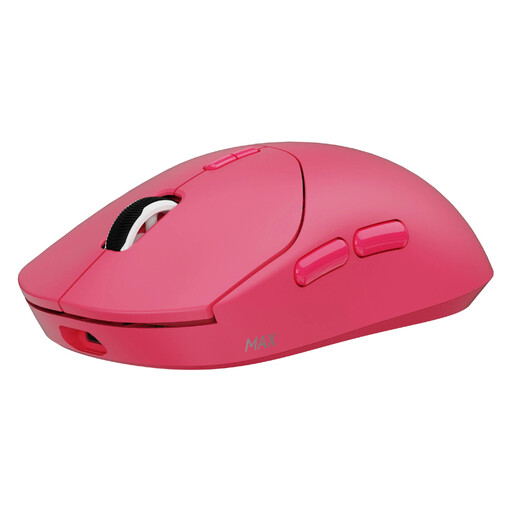 Image unavailable
Consider this model if you want wireless movement and extra places to assign game commands. Its product name specifies 10 programmable buttons and a 53 g weight. Check that its wireless receiver and configuration options suit your devices and intended shortcuts.
 Image unavailable
Its stated Bluetooth, 2.4 GHz and USB-C connection options make it worth considering if your desk setup changes between devices. Assess the button positions for your shortcuts and whether the shape fits your grip; confirm the charging arrangement you intend to use.
 Image unavailable
Consider its stated 56 g weight if you also play games involving frequent mouse movement. The product name identifies 2.4 GHz wireless and wired connection options; check the button layout for your board-game shortcuts and the accessories needed for your preferred setup.
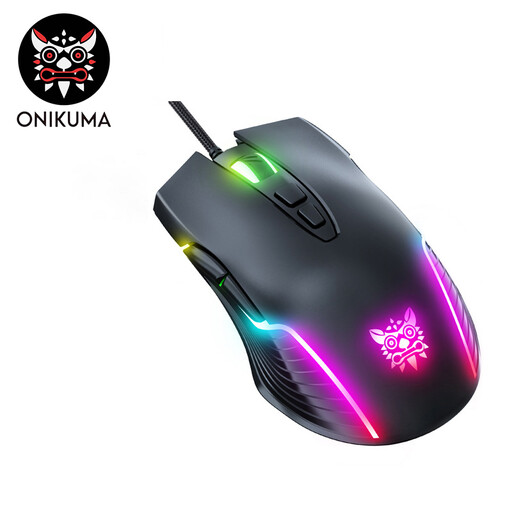 Image unavailable
A wired option to consider if the mouse will remain at one home-office desk. Its product name describes programmable buttons; confirm how assignments work with the game commands you use and whether the cable allows comfortable positioning.
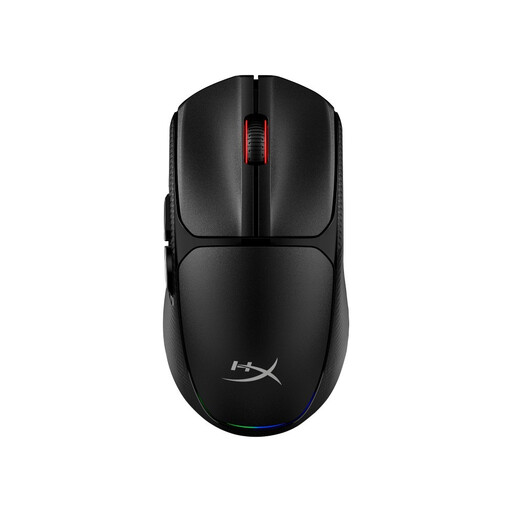 Image unavailable
Consider this wireless model if avoiding a cable matters at your desk. Before relying on it for repeated board-game commands, check which buttons you can assign, how you will connect it to your device and how it is powered.
A high maximum DPI is not, by itself, a reason to choose a mouse for board-game adaptations. Prioritise a controllable pointer setting, reachable controls you intend to use and a shape that suits your grip.
No: the assignment you want also depends on the game’s accepted inputs and the mouse’s configuration options. Check the game’s shortcuts or remapping settings before making a particular button arrangement central to your choice.
It can if the mouse is also part of your regular employed home-working setup. The Health and Safety Executive says its display-screen-equipment guidance covers qualifying employees who use such equipment daily for continuous periods of an hour or more; it advises considering mouse position as part of the wider workstation, rather than expecting a gaming mouse alone to resolve a poor setup.