Shortcut-mapping deck builders
If you regularly use repeatable game commands, accessible mouse buttons may reduce the need to reach for keyboard shortcuts. Check that your game or setup permits the mappings you want.


For deck-building games, start with buttons you can reach comfortably, a wheel that suits browsing card lists, and a shape you can use through long sessions. Choose more mapped controls if you will use them; choose a lighter or wireless mouse if movement and cable-free placement matter more. A bright room alone is not a reason to choose RGB lighting or a particular sensor specification.
If you regularly use repeatable game commands, accessible mouse buttons may reduce the need to reach for keyboard shortcuts. Check that your game or setup permits the mappings you want.
If you spend extended sessions selecting cards and browsing decks, consider weight, grip fit and wheel feel together. A lighter mouse and a contoured shape offer different approaches, neither of which guarantees comfort.
If you would rather identify controls by feel than rely on decorative lighting, pay attention to button placement and distinct wheel or physical controls. Try the mouse on the desk surface you intend to use.
For deck-building in a bright room, decide which need comes first: mapping actions, finding controls by feel, staying comfortable or keeping the desk free of a mouse cable. Then compare the exact models against that priority.
| Concern | What to check | Who this matters to |
|---|---|---|
| Shortcut access | Check button reach with your grip and whether your game or software permits the intended mappings. | If I repeatedly select cards or use interface commands, I want shortcuts I can reach without accidental presses. Around 36% of consumers may put accessible mappings first. |
| Controls in a bright room | Check whether you can distinguish buttons and wheel modes by feel; try the mouse on your intended surface. | When decorative lighting is not a useful cue, I would rather recognise the controls without looking down. Around 21% of consumers may make physical control feedback their main concern. |
| Long-session comfort | Compare weight, handedness and shape with your grip; consider how the wheel feels during repeated browsing. | If I spend a long session moving between cards and deck lists, I need a shape and movement effort I can tolerate. Comfort may come first for around 29% of consumers. |
| Cable-free use | Check connectivity, charging arrangements and which accessories are included with the exact variant. | If I move the mouse around a shared or crowded desk, I may prefer wireless placement despite the charging routine. Around 14% of consumers may prioritise a cable-free setup. |
Lighting and physical controls are separate features; a bright room does not establish that more RGB improves deck-building play.
Compare button placement, wheel behaviour and mapping options first. Treat lighting as a preference.
Extra controls are useful only if you can reach them reliably and have actions worth assigning to them.
Compare the side-button layout with your grip and plan mappings for commands you use regularly.
Wireless runtime depends on the model and its stated operating conditions, so a manufacturer figure is not a promise for your settings.
Check the exact variant’s battery-life conditions, charging method and included accessories before choosing wireless.
GOV.UK advises that electrical products bearing the crossed-out wheelie-bin symbol should not go in household rubbish.
Use an appropriate electrical-waste collection point or household waste recycling centre.
The wired G502 X is relevant if you want a physical DPI-shift control and a wheel with distinct scrolling modes.
Basilisk V3 and Viper V3 Pro serve different priorities: plentiful controls on one, lower stated weight on the other.
Aerox 5 Wireless is relevant if you want wireless use alongside several programmable controls.
These wired and wireless gaming mice offer different approaches to desk placement, physical controls and grip. For deck-building, compare their reachable buttons and wheel feel rather than treating lighting or sensor figures as a bright-room requirement.
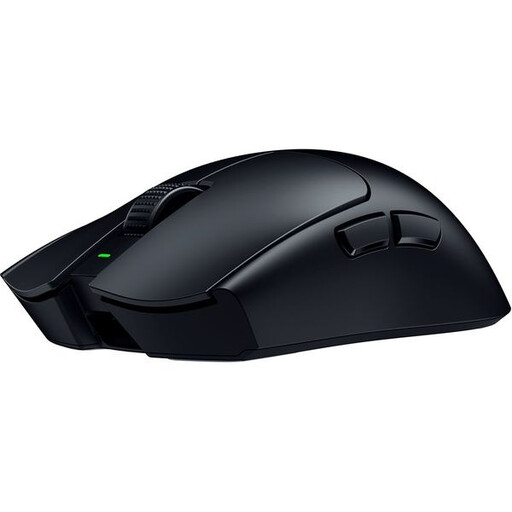 No image available
Consider this model if low stated weight and wireless movement matter more to you than a dense button layout.
Its listing identifies a 54 g design, and the Joybuy product information identifies eight programmable controls. Check whether their placement and the wheel suit the actions you intend to use.
 No image available
Consider this model if you want wireless placement and several controls to assess for shortcut mapping.
The product name specifies 53 g and ten programmable buttons. Confirm that their positions suit your grip and that the wheel works for your deck-list browsing.
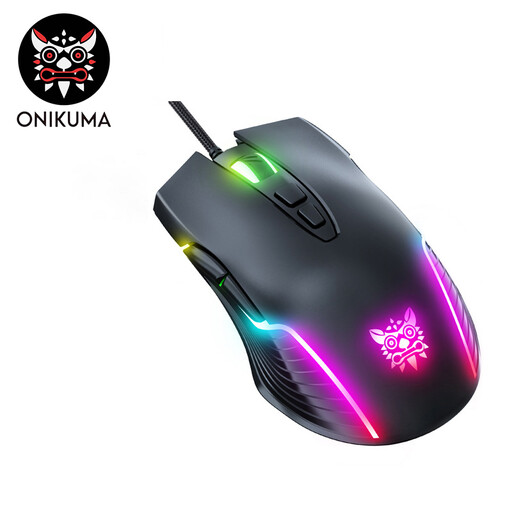 No image available
Consider this wired model if you prefer not to manage mouse charging and can accommodate a cable on your desk.
The product name identifies adjustable settings, programmable buttons and RGB lighting. Confirm how button remapping works with your game, and check the grip and wheel before relying on it for frequent card-list navigation.
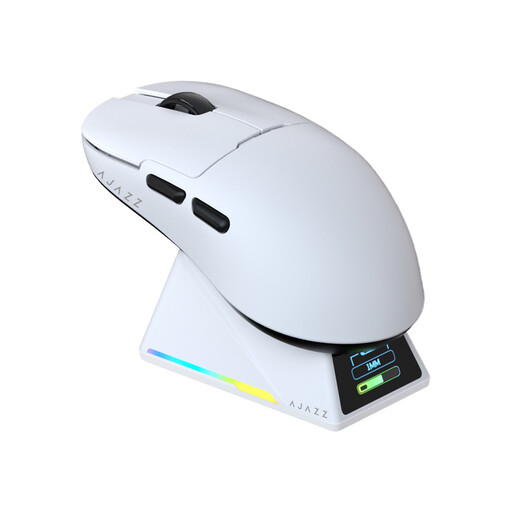 No image available
Consider this model if a wireless mouse with a charging base suits your desk setup.
The product name lists 2.4G wireless and wired modes. If mapped actions or movement effort are decisive, confirm the button layout and weight for the exact variant before choosing it.
 No image available
Consider this model if a charging dock and a choice of connection modes matter to your desk setup.
The product name lists Bluetooth, 2.4G and USB-C modes. Confirm the exact package contents, weight and which buttons you can remap before depending on it for deck-building shortcuts.
No bright-room-specific RGB requirement follows from the mouse features considered here. Choose lighting if you like its appearance, but assess tactile button placement, wheel behaviour and comfort separately.
Reachable programmable buttons can help with repeatable actions if your game or setup supports the mappings, while a suitable wheel matters when you browse long card or deck lists. Check placement as well as button count: Logitech G specifies a dual-mode tilt wheel on G502 X, and Razer specifies multiple scroll modes on Basilisk V3.
Choose wired if avoiding charging matters more than cable-free placement; choose wireless if moving the mouse without a desk cable matters more. For a wireless model, check the exact variant’s charging arrangement, included accessories and the conditions attached to any battery-life claim.
Take an unwanted mouse bearing the crossed-out wheelie-bin symbol to an appropriate electrical-waste collection point rather than putting it in household rubbish. GOV.UK advises using a suitable collection point or household waste recycling centre for electrical products.