For mouse-operated digital card games, start with a shape that suits your hand and grip, then choose wireless operation or extra controls if they serve your setup. High sensor and polling-rate specifications do not, by themselves, establish an advantage for ordinary card selection and scrolling; consider them chiefly if you also play faster-paced games.
Who is this for?
Regular card-game players focused on comfort
If sessions involve sustained clicking and scrolling, hand size and your usual grip may matter more to you than headline sensor figures. Logitech G advises considering hand size and grip; Razer describes its DeathAdder line as right-handed and suited to palm and claw grips.
Desktop players who use shortcuts
If you repeatedly use interface commands, reachable programmable buttons may be useful, provided you are willing to set them up and follow the game’s rules. Corsair lists 16 programmable buttons and an adjustable side panel on the Scimitar Elite Wireless SE.
Laptop and casual-session players
If you mainly want cable-free pointer control without a large button array, check the connection method and battery arrangement. Logitech G states that the G305 LIGHTSPEED runs for up to 250 hours on one AA battery.
What matters when choosing?
For digital card games, assess fit first, then your connection setup and the shortcuts you actually use. Treat specifications aimed at fast-paced games as a separate consideration if you play those games too.
| Concern |
What to check |
Who this matters to |
| Hand fit and grip |
Compare handedness and shape with your hand size and usual palm, claw or fingertip grip. |
Long sessions make me want a shape I can use comfortably, rather than a sensor specification I may never need. Around 38% of consumers put hand fit first. |
| Wireless setup |
Check the connection your computer accepts and whether the mouse needs charging or replacement batteries. |
When I move between a laptop and a desk, I want cable-free use without an awkward battery routine; for around 31% of consumers, straightforward wireless operation is the primary need. |
| Accessible shortcuts |
Count the commands you would assign and check thumb reach and the game’s rules on remapping or macros. |
I use certain interface commands often enough to want them within thumb reach, but I do not want accidental presses. That makes accessible shortcuts the main concern for around 23% of consumers. |
| Mixed-game use |
Consider weight and polling-rate specifications in relation to the other games you play, not as minimum requirements for card games. |
If I also play fast-paced PC games, I may choose a mouse with those games in mind. Around 8% of consumers make mixed-game performance their first priority. |
Buying pitfalls
-
Making DPI or polling rate the main card-game requirement
These figures describe mouse capabilities, but they do not establish a minimum needed for ordinary card selection, dragging and scrolling.
Choose a suitable shape and connection first. Give specialised performance features more weight if you also play games where rapid pointer movement matters to you.
-
Choosing a large button array without a shortcut plan
Additional buttons require configuration and can lead to unintended presses if their layout does not suit your thumb.
Write down the commands you would assign. If you mainly click cards and scroll menus, a conventional layout may be enough.
-
Assuming an ergonomic shape fits every hand
Grip, hand size and handedness affect fit. For example, Razer positions the DeathAdder line for right-handed palm and claw grips.
Check a model’s handedness, dimensions and grip guidance, and review the seller’s return process if you cannot assess fit before ordering.
-
Assuming mouse macros are permitted in every card game
A mouse’s ability to remap buttons or run macros does not establish what a particular game or service allows.
Check the applicable rules before configuring automated or repeated inputs.
Brands to consider for these mouse designs
Logitech G
The G305 LIGHTSPEED and wired G502 X illustrate different choices: a wireless mouse with a stated battery runtime, or a desktop mouse with additional wheel controls.
- Logitech G states that the G305 LIGHTSPEED runs for up to 250 hours on one AA battery and that the G502 X has programmable tilt-scroll controls.
- The G305 requires a replaceable battery; the G502 X has a cable. Neither design is automatically preferable for card games.
Razer
The DeathAdder line is relevant to right-handed players considering a palm or claw grip, particularly if they also play other PC games.
- Razer lists the wired DeathAdder V3 at 59 g.
- Its right-handed shape needs a personal fit check, and its performance-focused specifications are not established requirements for card games.
Corsair
The Scimitar Elite Wireless SE is relevant when you have repeat interface shortcuts to assign and want a substantial side-button layout.
- Corsair lists 16 programmable buttons and an adjustable 12-button side panel for this model.
- The dense layout requires setup and may be unnecessary for basic card selection. Check game rules before using macros.
Joybuy mouse choices
These mice cover wireless flexibility, configurable controls and straightforward USB-connected play for digital card games. Compare their shape and connection with your setup rather than treating gaming specifications as card-game requirements.
 No image available
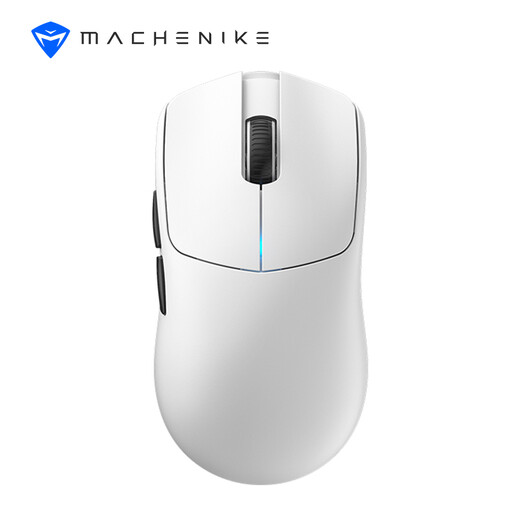
MACHENIKE L9X1 Advanced Wireless Gaming Mouse
Consider this model if you want to choose between cable-free and wired use. The title lists wired, 2.4 GHz and Bluetooth modes and a stated weight of 49 g; check how its shape fits your hand.
View on Joybuy
 No image available
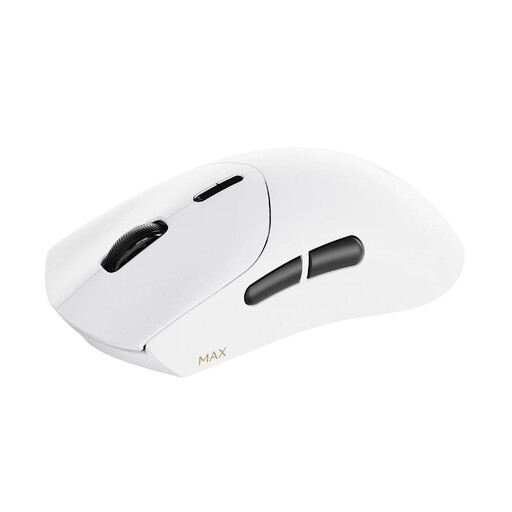
Rapoo VT7 MAX Wireless Gaming Mouse, White
Consider its configurable controls if you have shortcuts you will use regularly. The title lists 10 programmable buttons, a stated weight of 53 g and up to 750 hours of battery life; that runtime depends on 1000 Hz operation and a driver update enabling low-power mode. Check the game’s rules before using macros.
View on Joybuy
 No image available
AJAZZ AJ200 AI MC Wireless Gaming Mouse with Charging Dock
Consider it if a charging dock and a choice of connections suit your desk. The title lists Bluetooth, 2.4 GHz and USB-C modes. Confirm its weight before choosing it for a lightweight setup, and check battery runtime if charging frequency matters to you.
View on Joybuy
 No image available
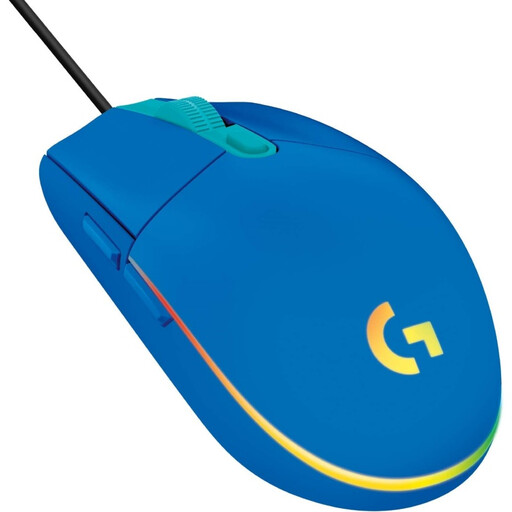
Logitech G102 USB Gaming Mouse, Blue
Consider this USB mouse if your computer setup calls for a straightforward connection rather than wireless operation. Check its shape and weight against your hand and grip before choosing it for longer sessions.
View on Joybuy
 No image available
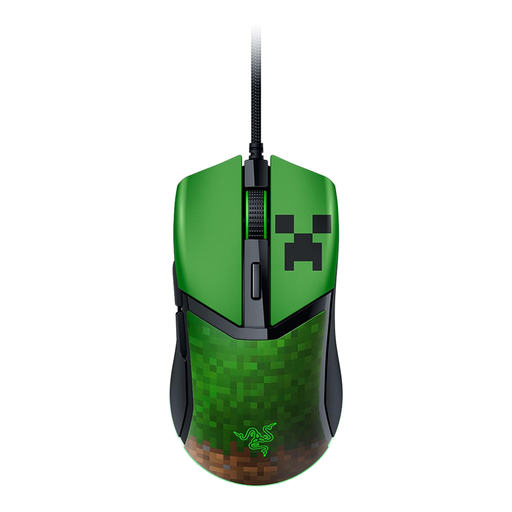
Razer Cobra Wired Gaming Mouse, Minecraft Edition
Consider its wired design if you play at a fixed desk and do not need a wireless connection. Check the shape for your grip and confirm the weight before relying on it as a selection factor.
View on Joybuy
Frequently asked questions
Do digital card games require an 8,000 Hz mouse?
No particular polling rate is established as a general requirement for ordinary digital card-game play. Razer lists up to 8,000 Hz on the DeathAdder V3 as a performance feature; if you also play faster-paced games, consider those needs separately from card selection and scrolling.
Can I put card-game actions on programmable mouse buttons?
You can assign actions where your mouse supports remapping and the game permits the configuration. Corsair describes remapping and macro options for the Scimitar Elite Wireless SE, but you should check the individual game or service rules before setting up automated or repeated actions.
Should I choose a mouse with lots of buttons just because it is for gaming?
Choose a large button layout only if you have repeat commands you want within comfortable reach. Corsair lists 16 programmable buttons on the Scimitar Elite Wireless SE, while Logitech G describes programmable tilt-scroll controls on the G502 X; neither arrangement is necessary just to click and scroll through cards.
Can I return an online mouse purchase in the UK if it does not fit my hand?
For an eligible UK distance purchase, GOV.UK says you generally have 14 days from receiving the item to tell the seller you want to cancel. Check the applicable return steps and handling conditions; remedies for faulty or misdescribed goods are separate from a change-of-mind cancellation.


