Long-session FPS aim trainer
If you practise tracking, flicks or small corrections for extended periods, look for a shape you can grip consistently. Weight and sensor settings alone cannot establish how a shell will feel in your hand.


Choose a shape that lets you keep a comfortable, repeatable grip throughout aim practice before comparing DPI, polling rate or weight. A light, neutral-shaped mouse may suit frequent grip changes and broad flicks; a right-handed ergonomic shape is worth considering for palm or claw grip; extra buttons matter most if you will use them beyond aim practice. Check the fit at your desk as well as the specifications: Health and Safety Executive guidance recommends keeping the mouse in line with your elbow.
If you practise tracking, flicks or small corrections for extended periods, look for a shape you can grip consistently. Weight and sensor settings alone cannot establish how a shell will feel in your hand.
If you prefer support under a right-handed palm or claw grip, compare asymmetric shells as well as neutral shapes. Logitech G describes the PRO X SUPERLIGHT 2 DEX as right-hand focused, while Razer positions its DeathAdder line for right-handed palm and claw grips; neither description guarantees a personal fit.
If you practise shooter aim but also need commands for other games, consider whether extra buttons justify their effect on your thumb grip. SteelSeries lists nine programmable buttons on the Aerox 5 Wireless.
Consider it when: You make broad flicks or reposition your hand often and prefer a shell without a pronounced right-hand contour.
Trade-off: Low weight cannot tell you whether the shell will feel stable or comfortable over a long session.
Consider it when: A right-handed palm or claw grip feels more secure with a contoured shell.
Trade-off: The contour will not suit left-handed use and may feel restrictive if you prefer a neutral fingertip grip.
Consider it when: You regularly need additional bindings for games or commands alongside shooter practice.
Trade-off: More thumb-side controls are worthwhile only if you can reach them without disrupting your aim-practice grip.
| Concern | What to check | Who this matters to |
|---|---|---|
| Grip fit | Compare handedness, shell width and hump position with your palm, claw or fingertip grip. | If I practise for a long stretch, I need a grip I can repeat without forcing my hand into position. Around 36% of consumers put fit and comfort first. |
| Movement mass | Compare the listed weight, then assess control during broad swipes and small corrections on your own pad. | When repeated flicks are my priority, I want less mouse mass to move but still need control for fine adjustments. Low movement mass comes first for around 29% of consumers. |
| Wireless continuity | Check the stated battery conditions and charging arrangement, particularly if you plan to use high polling settings. | I do not want charging to interrupt a planned practice session, so runtime under the settings I use matters most. Around 21% of consumers prioritise wireless readiness. |
| Controls and purchase details | Check whether you need the side buttons and confirm the accessories and return terms for the exact listing. | If I switch between games, useful bindings and a purchase I can check thoroughly matter more than the simplest possible shell. Around 14% of consumers make these practical controls and purchase details their primary concern. |
A specification cannot establish whether a shell supports your grip throughout a long session. The models described by Logitech G, Razer and SteelSeries differ in shape and controls as well as listed mass.
Start with handedness and grip, then compare weight and adjustable settings among shapes you would consider using.
Manufacturer battery figures are stated maximums; settings and use can affect the time between charges.
Check the exact model’s runtime conditions, charging connector and supplied cable or dongle before relying on it for long wireless sessions.
Health and Safety Executive posture guidance includes keeping the mouse in line with your elbow. Shell fit and workstation position need to be considered together.
Adjust the mouse and desk position rather than continuing through discomfort. If aches persist, reduce uninterrupted use and seek appropriate professional advice.
Its PRO X SUPERLIGHT 2 DEX represents a lightweight, right-handed asymmetric option for FPS play.
The Viper V3 Pro offers a light FPS-oriented option, while Razer positions the DeathAdder line for right-handed palm and claw grips.
The Aerox 5 Wireless represents a multi-genre option for consumers who want additional controls alongside shooter practice.
These mice offer different approaches to long FPS practice: a light wireless Viper, a contoured DeathAdder, and wireless models with additional controls or desk-charging features. Choose by grip and connection preference before treating a headline specification as decisive.
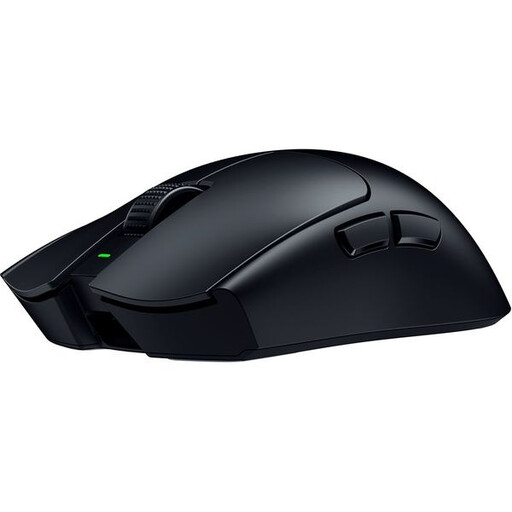 No image available
Consider this if low movement mass matters for repeated flicks, provided its shape suits your grip.
The listed variant is 54 g and names a Focus Pro 35K Sensor Gen-2 and HyperPolling 8KHz. Razer rates the Viper V3 Pro for up to 95 hours of battery life; that maximum is not a promise for every configuration.
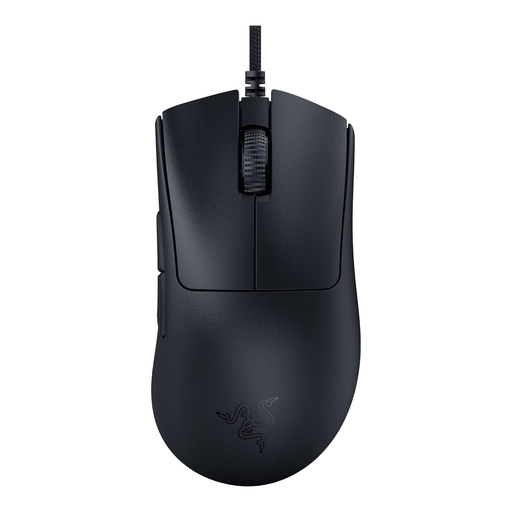 No image available
Consider this for a right-handed ergonomic grip if a wired mouse suits your desk and movement. Check the shell dimensions and how the cable sits before choosing it for extended practice.
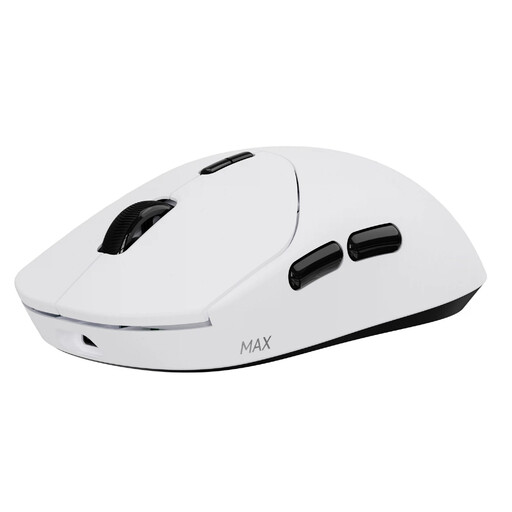 No image available
Consider this if you want a light wireless mouse and have a use for additional button bindings; check the shell fit before relying on weight alone.
The title lists 53 g, 8K wireless polling, ten programmable buttons and up to 750 hours of battery life. The runtime claim is for 1000 Hz with low-power mode enabled through a driver update, not every polling configuration.
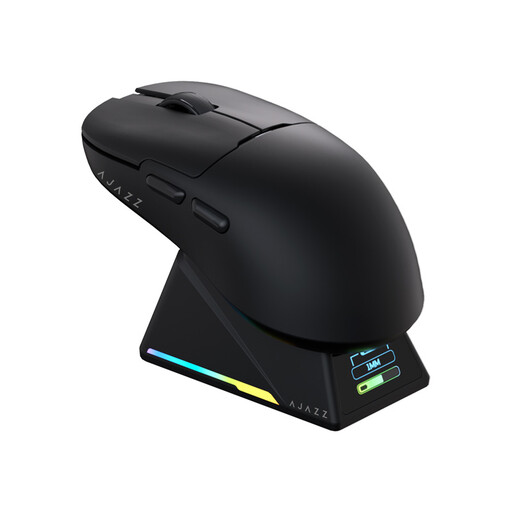 No image available
Consider this if a charging base suits your desk routine and you prefer a light wireless mouse. Check hand fit and the stated runtime if charging frequency will affect your practice.
The title lists 56 g, a PAW3950 sensor, 8KHz polling and a magnetic charging base. Confirm the maximum DPI on the exact listing if that setting matters to you.
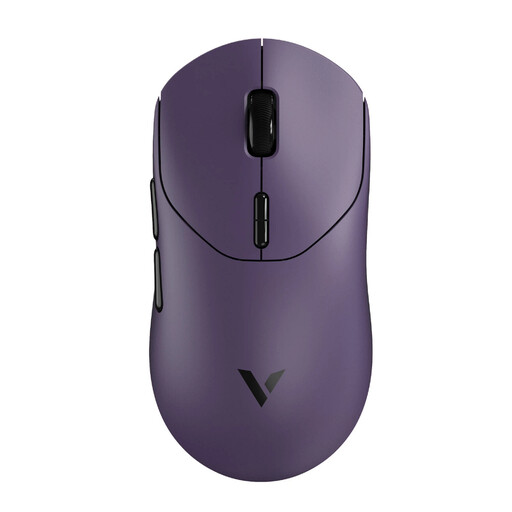 No image available
Consider this if you want a light wireless mouse with extra bindings and prefer the mechanical-switch variant. Check its shell fit and whether the click feel suits you.
The title lists 53 g, 8K wireless polling and ten programmable buttons. Its up-to-750-hour battery claim applies at 1000 Hz with low-power mode enabled through a driver update.
Keep the mouse in line with your elbow rather than reaching awkwardly for it, as Health and Safety Executive posture guidance advises. Check your chair and desk position alongside the mouse’s grip fit, and take a break from uninterrupted use if discomfort develops.
No: maximum DPI alone does not establish whether a mouse will suit your grip or give you repeatable control. After choosing a shell that fits, adjust sensitivity to suit your setup; Razer lists single-step DPI adjustment among the Viper V3 Pro’s controls.
No general requirement for a home gamer to buy a particular mouse follows from the Health and Safety Executive guidance cited here. Its display-screen equipment guidance concerns work and employers, including relevant home-working arrangements; a personal gaming purchase still calls for a grip and desk setup that suit the user.
Check the exact model and variant, the stated battery conditions, supplied charging accessories and the seller’s product information. For equipment supplied in or into Great Britain, GOV.UK publishes guidance on the Electrical Equipment (Safety) Regulations 2016; its Great Britain scope should not be assumed to cover Northern Ireland in the same way.