All-day home-office players
If you share one mouse between work and relaxed gaming, start with a shape and weight that suit your grip. Scan UK identifies comfort as a key consideration when choosing a gaming mouse.


Start with a shape that suits your grip when the same mouse will serve both desk work and puzzle adventures; Scan UK identifies comfort as a particularly important fit decision. Add programmable controls or a versatile scroll wheel if you regularly use game shortcuts, and choose wireless when a cable-free desk or switching devices matters enough to justify managing a battery.
If you share one mouse between work and relaxed gaming, start with a shape and weight that suit your grip. Scan UK identifies comfort as a key consideration when choosing a gaming mouse.
If you often open maps, inventories or journals, reachable programmable buttons and useful scroll-wheel controls may matter more to you than a long specification list. Razer and Logitech G describe these controls on specific models.
If you want fewer cables or a choice of connection modes, check which wireless options fit your devices. Razer specifies both Bluetooth and 2.4 GHz connectivity for the Basilisk V3 X HyperSpeed.
Check hand fit first, then decide how many shortcuts you would actually use and whether a cable suits your desk. The percentages below describe consumers according to their primary need, rather than suggesting that every feature matters equally to everyone.
| Concern | What to check | Who this matters to |
|---|---|---|
| Hand fit | Compare the shell’s dimensions and orientation with your usual grip; assess weight alongside shape. | If I use one mouse through a working day and an evening game, I want its shape to suit my hand throughout. Around 42% of consumers put fit and desk comfort first. |
| Shortcuts and scrolling | Count the actions you want on the mouse, check button reach and software compatibility, and compare wheel modes. | Opening maps and inventories repeatedly makes easy-to-reach controls more useful to me than extra buttons I will never configure. For around 33% of consumers, shortcut and navigation control is the main priority. |
| Desk connectivity | Check the required USB connection or Bluetooth support and the wireless model’s battery arrangement. | I may prefer to clear a cable from my desk or change connection modes between compatible devices, provided I can manage the battery routine. Cable management and connectivity come first for around 25% of consumers. |
A mouse with appealing specifications can still be awkward if its width, arch or button positions do not suit your hand. Scan UK identifies comfort as one of the hardest parts of choosing a gaming mouse.
Start with your current grip, compare dimensions and orientation, and check the retailer’s return terms if you cannot try the shape beforehand.
A dense button layout offers little practical value if your puzzle games call for only a few mouse shortcuts. PCMag UK notes that specialist many-button mice can also be wider and heavier.
List the game and work actions you repeat, then look for buttons you can reach without accidental presses.
Mouse choice is only one part of a home-office setup. The Health and Safety Executive identifies workstation design and display-screen-equipment use as relevant to discomfort and fatigue.
Consider the full workstation and changes of activity; if you use display screen equipment regularly for work, follow your employer’s assessment process.
Wireless models differ in their connection modes and battery arrangements, so a cable-free setup does not tell you how a particular mouse will work with your computer.
Check the available ports, Bluetooth support where needed, and the model’s stated power arrangement.
Depending on the model, wireless use can also involve replacement batteries or time spent charging.
The Basilisk models are relevant if you want configurable controls and a choice between wired and wireless desk setups.
The wired G502 X is relevant if you want adjustable shortcut placement and more than one way to scroll.
The wired M65 RGB ULTRA is relevant if you want configurable controls and a tunable-weight design without choosing a side-keypad layout.
These wired and wireless gaming mice offer different starting points for a shared home-office and puzzle-adventure setup. Compare their connection and stated controls, then check hand fit and any wheel functions important to you.
 No image available
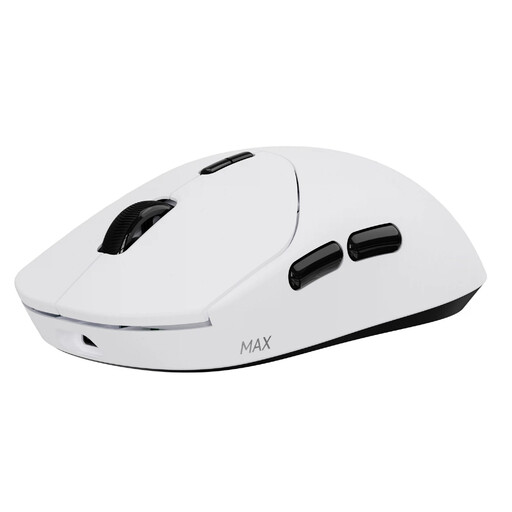
Consider this model if you want wireless desk use alongside a charging dock. Its title specifies Bluetooth, 2.4G and USB-C modes and a PAW3311 sensor rated at 24000 DPI.
Confirm the actual weight and power arrangement for this variant before relying on either for your choice; check its scroll-wheel behaviour if navigation modes matter to you.
 No image available
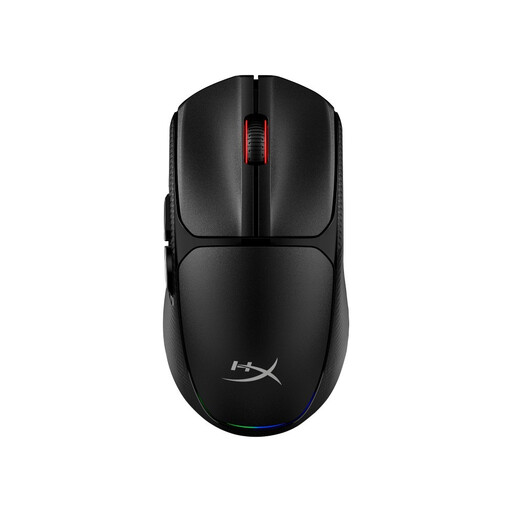
Consider it if you want wireless play with several mouse shortcuts: the product title states 10 programmable buttons and a 53 g weight.
Compare its shape with your grip and check its wheel functions. Confirm the applicable software and battery routine if those affect your desk setup.
 No image available
This is a wireless option to assess if keeping a cable off the desk is your priority.
Before choosing it for frequent puzzle-game shortcuts, check the button layout, wheel behaviour and whether its configuration software supports your computer.
 No image available
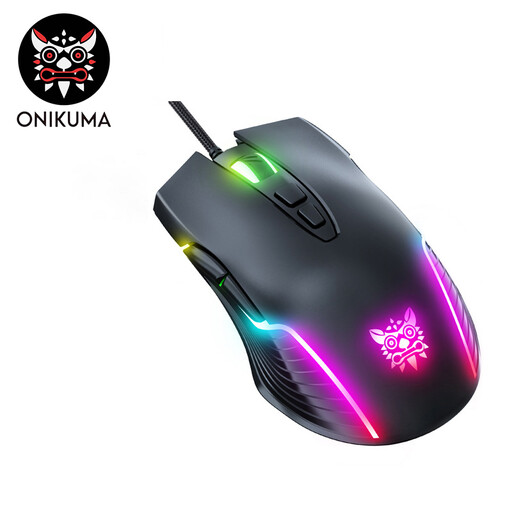
A wired option to consider for a fixed desk where you do not want to manage a mouse battery.
If shortcuts are important, confirm whether this variant’s buttons can be remapped. Check its dimensions and wheel behaviour against your grip and navigation needs.
 No image available
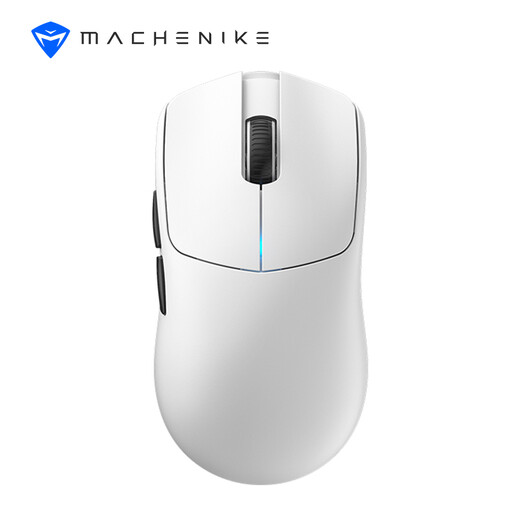
Consider it if you want to choose between desk connection modes: the product title states wired, 2.4G and Bluetooth operation and a 49 g weight.
Compare its shape with your grip, and confirm its button and wheel functions before choosing it for mouse-based game shortcuts.
Usually not: start with hand fit, accessible controls and the scrolling you will use for maps or menus. Scan UK identifies shape and comfort as particularly important when choosing a gaming mouse; a high stated maximum DPI does not tell you whether its shape suits your grip.
Choose wired if a fixed desk and avoiding battery management matter most; choose wireless if cable management or connection flexibility matters more. For a wireless model, check its supported modes against your computer and plan for its stated battery arrangement.
Only if you have recurring actions worth assigning to buttons you can comfortably reach. PCMag UK describes how specialist many-button mice can move shortcuts from the keyboard, but notes that such designs can also be wider and heavier.
They can: the Health and Safety Executive states that the Display Screen Equipment Regulations apply to workers who use display screen equipment daily for continuous periods of an hour or more. If that describes your work, follow your employer’s workstation assessment process rather than treating a change of mouse as a substitute for assessing the whole setup.