Shortcut-heavy campaign players
If you repeatedly use unit groups and interface commands, a thumb grid puts more bindings in one place. Check whether you can tell its buttons apart and reach them comfortably.


For historical war games on a large screen, choose a conventional multi-button mouse if you want a manageable set of map and command shortcuts; consider a 12-button thumb grid if you regularly use many distinct commands. In either case, check that you can reach the controls without changing your grip and remap them to keys your game accepts. Extra buttons take time to learn and are only useful when you can press the intended one reliably.
If you repeatedly use unit groups and interface commands, a thumb grid puts more bindings in one place. Check whether you can tell its buttons apart and reach them comfortably.
If you spend extended sessions moving around battlefields and campaign maps, focus on grip, scrolling and a few reachable extra controls rather than button count alone.
If your preferred bindings change between historical war games and other applications, check the exact model’s remapping and profile options before settling on a physical layout.
Choose it when: You want several direct map or command bindings without learning a full thumb grid.
Trade-off: Fewer commands are immediately available at the thumb; their placement still needs to suit your grip.
Choose it when: You have enough frequently used commands to make a dense set of thumb bindings worthwhile.
Trade-off: You need to learn the positions and avoid pressing adjacent buttons by mistake.
| Concern | What to check | Who this matters to |
|---|---|---|
| Reachable commands | Compare the position of programmable controls with the commands you actually use; decide whether a conventional cluster or thumb grid is easier to distinguish. | If I use unit groups and map commands repeatedly, I want their bindings within reach without pressing the wrong one. Around 42% of consumers would put command access first. |
| Navigation and comfort | Check grip and thumb reach, then whether the wheel’s scrolling behaviour suits your map navigation. Compare stated weights for the exact models. | During a long campaign, I need scrolling and cursor movement that feel manageable for my hand. Comfort and navigation would come first for around 33% of consumers. |
| Remapping and profiles | Confirm support for the exact mouse model and the keyboard-equivalent inputs your game accepts; check profile storage if you need to switch setups. | When I move between games, I want to change bindings without rebuilding them each time. Around 25% of consumers would prioritise setup and profile flexibility. |
A 12-button thumb grid helps only if you can identify and press the intended control without disrupting your grip.
List the commands you would bind before choosing a grid. If that list is short, consider a conventional multi-button layout.
A sensor figure does not tell you whether the shape, scrolling or button positions will suit map navigation.
Check those physical controls alongside sensor specifications, particularly if you play for extended sessions.
Assigning a keyboard-equivalent command can require mouse software and a corresponding binding in the game’s controls menu.
Check support for the exact model and confirm that your intended game accepts the keys you plan to assign.
Hand size, grip and control reach vary. A manufacturer’s description of its mouse shape cannot establish how it will fit your hand.
Use the stated shape and mass to narrow your options, then check the seller’s return terms and assess the fit promptly if you can.
The Scimitar Elite Wireless SE is a reference point for players considering a dense strategy-command layout.
The Basilisk V3 illustrates a right-handed, conventional multi-button layout with configurable scrolling.
The wired G502 X is a reference point for desk-based players interested in wheel controls rather than a thumb grid.
These gaming mice offer different ways to start choosing controls for historical war games. Compare their stated buttons and connection types, then check physical reach and scrolling before relying on a layout for long sessions.
 No image available
Consider this model if you want several assignable commands in a wireless mouse. Its title states 10 programmable buttons, 53 g and optical switches; check the physical button positions and wheel before choosing it for map navigation.
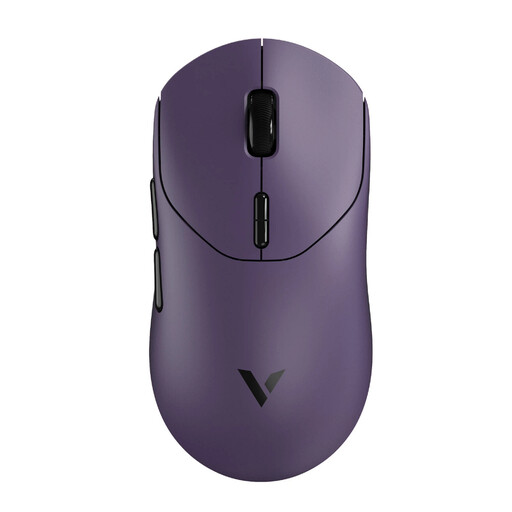 No image available
This is another wireless option if you want to assign several recurring commands. Its title states 10 programmable buttons, 53 g and mechanical switches; check button reach and scrolling for your own setup.
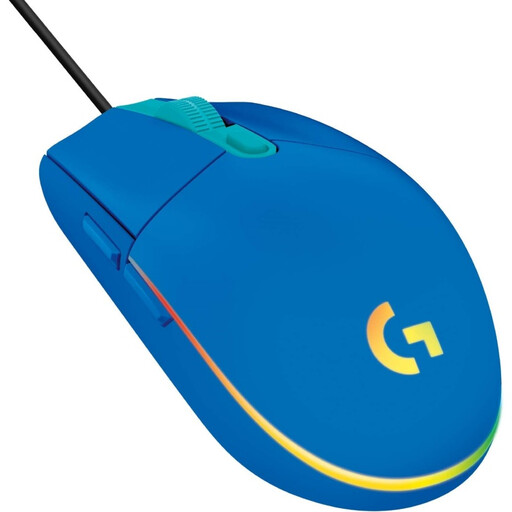 No image available
Consider a USB mouse if you play at a desk and need only a small set of direct shortcuts. Check that the G102’s accessible controls cover your chosen commands and that its wheel suits your map navigation.
 No image available
Consider this model if switching between Bluetooth, 2.4G and USB-C connections matters to your setup. Check how many buttons you can remap for your game; the supplied weight figures conflict, so confirm the figure if mass affects your choice.
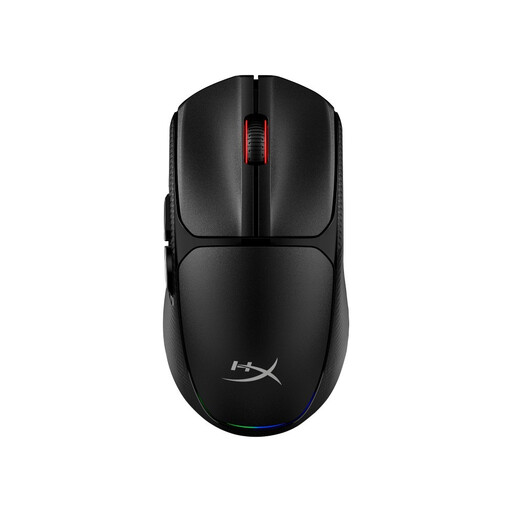 No image available
This wireless mouse is worth considering if you want to assign a few game controls. Confirm its programmable-button count and placement, as well as wheel behaviour, against the commands and navigation you use most.
Assign a small set of frequently used commands, then check each binding in the game’s controls menu. Corsair advises using an iCUE keyboard remap for its mice before binding the resulting key in-game; Logitech says G HUB can write customisations to supported mice in onboard-memory mode. Check the workflow for your exact model.
For a UK purchase, the Consumer Rights Act 2015 requires goods supplied under a contract to be of satisfactory quality, taking account of their description and other relevant circumstances. Keep your order details and contact the seller about the fault; a seller’s voluntary return policy is separate from your statutory rights.
Yes, a battery-powered device can fall within the UK electrical and electronic equipment framework even though it is not connected to the mains, according to GOV.UK guidance. Check current local collection arrangements or the retailer’s take-back information when disposing of the mouse.