Low-sensitivity competitive movers
If practice involves broad swipes and frequent lift-offs, you need enough desk space to reposition the mouse and a shape you can keep under control while doing so.


Start with a shape you can control using your usual grip, then consider how easily you can swipe and reposition the mouse on your desk. A lightweight wireless mouse can remove cable drag, a right-handed ergonomic shape may better suit a palm or claw grip, and a wired mouse avoids charging if you can manage its cable. Neither a low weight nor a high polling-rate figure settles the fit question.
If practice involves broad swipes and frequent lift-offs, you need enough desk space to reposition the mouse and a shape you can keep under control while doing so.
If you practise for long stretches, check whether the shell suits your palm, claw or fingertip grip before giving sensor or polling-rate figures priority. SCAN UK’s gaming-mouse guide identifies shape as a particularly important choice.
If the same desk serves study and gaming, weigh cable space against charging or battery changes, as well as what comes with the mouse. The right arrangement depends on which inconvenience you would rather manage.
Check grip and available swipe space first. Then decide whether removing a cable is worth managing a wireless receiver and charging or batteries; a wired mouse remains an option when you can route its cable comfortably.
| Concern | What to check | Who this matters to |
|---|---|---|
| Repeated swipes | Compare listed weight and shell dimensions, then check whether your desk and mouse mat leave room to lift and reposition the mouse. | If I use low sensitivity, repeated wide movements make a controllable, easy-to-reposition mouse my priority. Around 36% of consumers put movement first. |
| Grip fit | Identify your usual grip and compare the shell’s length, width and hump with a mouse you know. | During longer practice, I want the shape to work with my palm, claw or fingertip grip rather than choosing by specifications alone. For around 29% of consumers, fit is the primary concern. |
| Desk and connection | Check the connection modes, available USB ports, included receiver and how charging or battery changes work. | On a cramped desk, I want room to move without making connection and charging awkward. Desk and connection practicality comes first for around 21% of consumers. |
| Ownership simplicity | Check what accessories are included and whether the mouse needs charging, replacement batteries or an optional receiver for a desired mode. | I would rather avoid an accessory or maintenance routine I will not use, even if that means routing a cable. Around 14% of consumers make ownership simplicity their first priority. |
A mouse with prominent technical specifications can still feel difficult to control if its shell conflicts with your usual grip. SCAN UK’s buying guide places particular importance on finding a comfortable shape.
Compare dimensions and hump placement with your current mouse, and check the seller’s applicable change-of-mind terms if fit remains uncertain.
Connection and polling specifications depend on the exact variant and receiver. Logitech G lists the PRO X SUPERLIGHT 2 SE at 1 kHz with its standard wireless setup; reaching its stated maximum of 8 kHz requires a separately sold receiver.
Check the variant, included receiver, available USB ports and accessories required for the mode you intend to use.
An optional receiver may be an additional accessory to obtain and manage.
Rechargeable mice need charging, while Logitech G specifies one replaceable AA battery for the G305. Neither arrangement removes the need to plan for power.
Choose the routine you are more likely to maintain, and check how the mouse can be used when its battery runs low.
An AA-powered mouse also means keeping replacement batteries available.
For England, Citizens Advice distinguishes change-of-mind returns from remedies for faulty goods. How you bought the mouse and who sold it matter; a shop purchase does not automatically carry a change-of-mind refund right.
Before relying on a return to assess fit, check the seller’s terms and the rules applicable to your purchase. Keep the listing and order details in case the item is faulty or misdescribed.
The Viper and DeathAdder lines offer different shapes and wired or wireless choices for competitive practice.
Its cited wireless models include a rechargeable PRO-series route and the AA-powered G305.
The Aerox 3 Wireless Gen 2 is a dual-connection option for someone using a mouse for both practice and general study.
These mice cover lightweight wireless movement practice, a wireless option described for palm or claw grip, and a wired setup for students willing to manage a cable. Compare each shell and its stated variant details with your own grip and desk before choosing.
 No image available
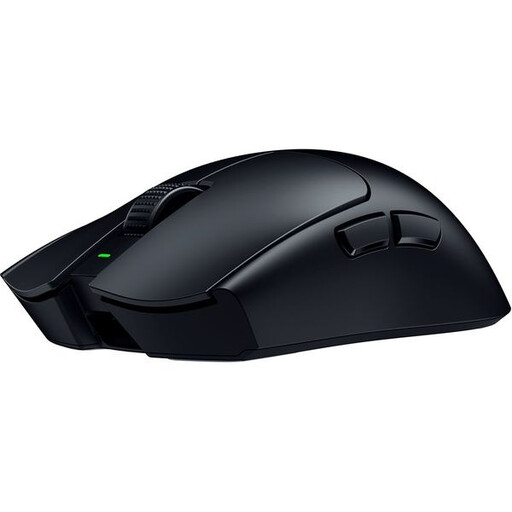
Consider this symmetrical wireless model if broad swipes and a cable-free desk matter to you, subject to checking how its shell fits your grip.
Razer lists a 54 g weight, a Focus Pro 35K Sensor Gen-2, USB-C charging and up to 95 hours of battery life. The stated battery duration depends on use settings.
 No image available
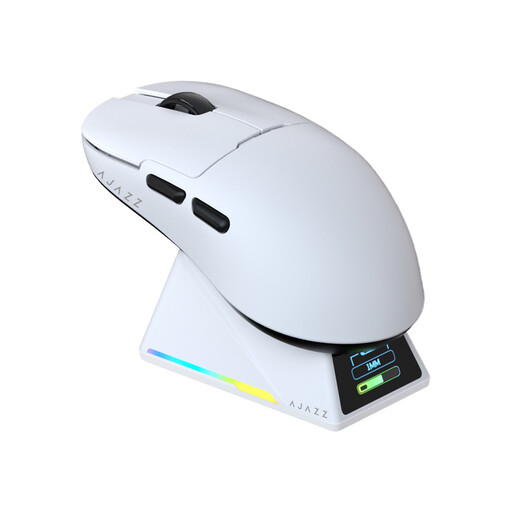
Its stated 56 g weight and wireless design make it worth considering for repeated movement on a small desk, provided the shell suits your hand.
The product title also identifies a PAW3950 sensor and colour-screen charging base. Confirm the connection modes and DPI specification for this variant before relying on either figure.
 No image available
Consider its stated medium-to-large-hand palm or claw fit if grip support matters during longer sessions; compare its shape with a mouse you already find comfortable.
The product information describes Bluetooth, 2.4 GHz and USB-C connection modes, a PAW3311 sensor and a charging dock. Confirm the weight for this variant if low mass is decisive.
 No image available
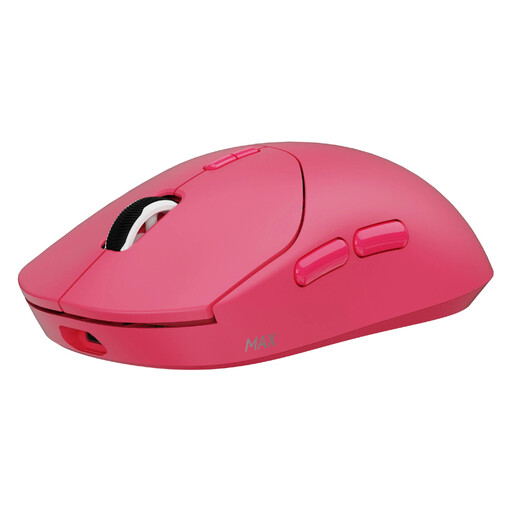
Its listed 53 g weight and wireless connection may appeal if you often lift and reposition your mouse. Check the shell shape and dimensions against your grip.
The product information states up to 750 hours of battery life at 1,000 Hz, with the latest driver required to unlock low-power mode; that figure should not be assumed for other settings.
 No image available
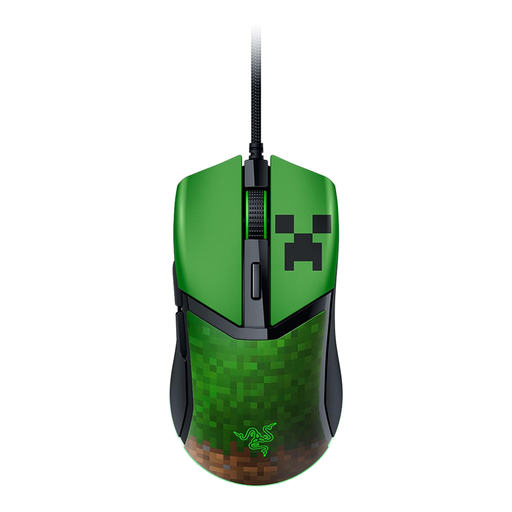
This wired option avoids charging if you have room to route its cable without obstructing broad swipes.
The product information describes a symmetrical shell, PTFE feet and a Speedflex cable. If low weight is a deciding factor, confirm the applicable figure for this edition before buying.
No: an 8 kHz specification is not a substitute for a shape you can control. Check grip, weight and connection first. Logitech G lists the PRO X SUPERLIGHT 2 SE at 1 kHz with its standard receiver and requires a separately sold receiver for its stated maximum of 8 kHz.
Wireless is practical if removing cable drag matters and you can manage its receiver and power routine; wired is practical if you can route the cable clear of your swipes and prefer not to charge the mouse. Measure the free movement area on your desk rather than treating either connection as an automatic performance upgrade.
For an online purchase from a business in England, Citizens Advice says there is normally a 14-day change-of-mind cooling-off period starting the day after delivery, subject to applicable conditions and exceptions. A shop purchase does not automatically carry the same change-of-mind right, while remedies for faulty goods are a separate matter. Check the seller’s process and use the relevant local Citizens Advice guidance for Scotland, Wales or Northern Ireland.
Check an electrical-waste collection route rather than placing the mouse with ordinary rubbish. GOV.UK says retailers generally have same-type electrical-waste take-back duties when selling a new electrical item; ask the retailer about its take-back arrangements or check your local authority’s recycling service.