Low-sensitivity tactical players
If you make broad swipes and frequent flicks, you may want a light mouse whose shape works with your natural claw or fingertip grip.


Choose a mouse shape that suits your grip before comparing headline sensor figures. For broad, repeated swipes, a light wireless mouse may suit you if you can manage its charging and receiver; at a fixed home-office desk, a wired mouse may be simpler if the cable will not get in your way. Neither connection type replaces checking how the shell feels in your hand.
If you make broad swipes and frequent flicks, you may want a light mouse whose shape works with your natural claw or fingertip grip.
If more than one person uses the desk, or you use your left hand, a symmetric shell and the placement of its side controls deserve particular attention.
If your mouse stays at one home-office desk, you may prefer a wired connection and want accessible controls for profiles, push-to-talk or other commands.
For ranked tactical matches at a home-office desk, decide which need would settle your choice first: grip fit, cable-free movement or fixed-desk controls.
| Concern | What to check | Who this matters to |
|---|---|---|
| Shape and grip | Compare the shell with your usual palm, claw or fingertip grip; check side-button placement. | If the shell fights my natural grip during repeated aiming movements, its headline specifications will not settle the choice for me. Around 42% of consumers put grip fit first. |
| Light, cable-free movement | Check stated weight, connection type and the receiver or charging arrangement. | For broad swipes, I want a light mouse that moves without a cable across my desk, and I am willing to manage its power. Roughly 33% of consumers prioritise that movement and wireless setup. |
| Desk setup and controls | Count the controls you would use; if choosing wired, consider cable routing. | My mouse stays at one desk, where a straightforward connection or accessible shortcuts matter more than removing the cable. About 25% of consumers make those desk and control needs their priority. |
A capable sensor will not make an uncomfortable shape suit your grip. SCAN UK identifies comfort and shape as particularly difficult factors to get right when choosing a gaming mouse.
Identify how you hold your current mouse, compare shell shapes and check your return options if you cannot try a model before buying.
Logitech G says the PRO 2 LIGHTSPEED requires a separately sold PRO LIGHTSPEED receiver for operation at up to 8 kHz.
If that mode matters to you, check the exact product listing for the receiver required and what is included.
Extra controls may help with shortcuts, but they add little to your decision if you use only basic tactical-game inputs.
List the commands you would actually assign, then compare shape and connection alongside button layout.
Razer positions its Viper line around competitive play and lightweight, symmetric designs; its DeathAdder line takes a different, ergonomic-shape approach.
Logitech G positions the PRO 2 LIGHTSPEED as a symmetric wireless mouse with configurable magnetic side buttons for left- and right-handed use.
The wired Aerox 5 offers a low-weight, multi-button route for players whose mouse remains at one desk.
These choices cover wireless mice for cable-free desk movement and different shapes or controls to consider for ranked tactical play. Compare each mouse against your grip and the connection you want rather than treating its specifications as a measure of personal fit.
 No image available
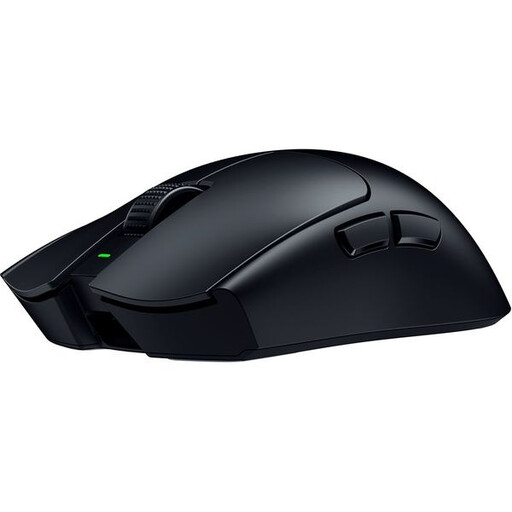
Consider this if low stated mass and cable-free movement matter for repeated swipes. Razer specifies 54 g, a 35K optical sensor and up to 95 hours of battery life for the Viper V3 Pro. Check the shell against your grip; its symmetrical appearance does not establish left-handed suitability.
 No image available
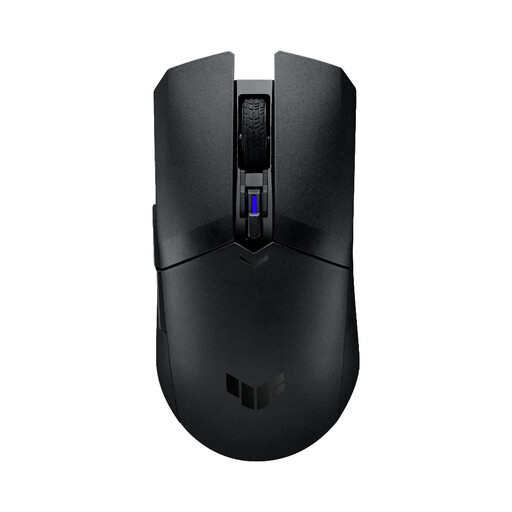
Consider this for a wireless home-office desk where hand flexibility matters. Compare its shape with your grip, and check its weight with your intended battery fitted and its battery runtime before deciding.
 No image available
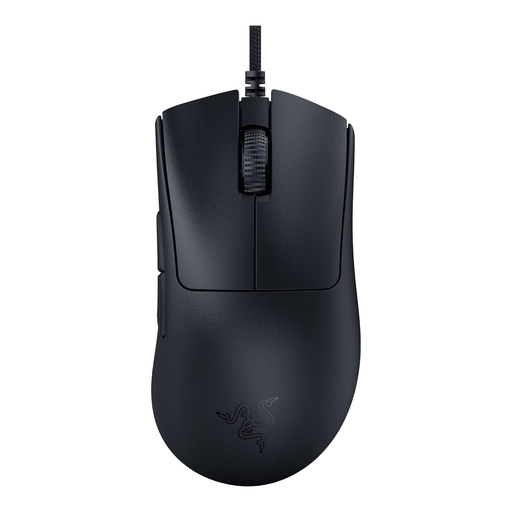
Consider this ergonomic esports shape if your mouse stays at a fixed desk. Check whether its contour suits your hand and whether its connection matches the way you want to arrange your desk.
No image available
Consider this wireless model if broad movements make mouse mass an important part of your choice. Check the shell against your hand and grip, and confirm the receiver and charging arrangement you would use.
 No image available
Consider this if you want a charging dock and the title’s Bluetooth, 2.4G and USB-C connection options at a home-office desk. The title gives 63 g while the product description gives 65 g, so confirm the weight if it will decide your choice; also check that the shape suits your hand.
Choose wireless if cable-free movement matters and you are comfortable managing its power; choose wired if you prefer a permanent connection at a fixed desk. SCAN UK describes high-end wireless gaming mice as competitive with wired models, while noting that a wired cable can clutter the desk. Your grip fit still matters with either connection.
No: start with a shape you can hold comfortably and settings you can use consistently. SCAN UK identifies comfort as a particularly difficult part of choosing a gaming mouse; a maximum DPI figure cannot tell you how a shell will fit your hand.
That depends on the exact model and how it stores profiles. Razer says the Viper V3 HyperSpeed has onboard memory for its last-used Synapse profile; check the settings-storage arrangement of the mouse you intend to buy rather than assuming the feature applies across a product line.
Check your local council or retailer’s electrical-item collection arrangements when the mouse reaches the end of its use. UK government guidance places electrical and electronic equipment within the waste electrical and electronic equipment framework, which aims to encourage recovery, reuse and recycling.