Players practising reaction drills
If you repeat aim or flick exercises, look for a shape, weight and connection you can use consistently across sessions. A polling-rate figure alone cannot tell you how comfortably you will control the mouse.


For repeated reaction drills, choose a gaming mouse whose shape and weight let you maintain a comfortable, consistent grip before prioritising its highest polling-rate setting. In a shared bedroom, check the exact model’s button sound as well as its cable or charging arrangements: neither a low stated weight nor a wireless connection tells you whether its clicks will disturb someone nearby.
If you repeat aim or flick exercises, look for a shape, weight and connection you can use consistently across sessions. A polling-rate figure alone cannot tell you how comfortably you will control the mouse.
If someone else sleeps or works nearby, repeated button clicks and the space taken by a cable or charging setup deserve attention alongside gaming features. Check the sound of the exact model rather than assuming a gaming mouse is quiet.
If the same mouse serves a gaming PC and another device, connection options and battery arrangements may matter more to you than the highest available polling mode. Check which mode you would use for each task.
Start with hand fit and the practicalities of sharing the room, then compare connection modes and polling settings for the PC and display you actually use.
| Concern | What to check | Who this matters to |
|---|---|---|
| Consistent input | Check the exact model’s polling modes, required receiver and compatibility with your PC and display. | I want my setup to stay consistent through repeated reaction drills, rather than changing settings to chase a headline figure. Around 25% of consumers put dependable input for practice first. |
| Shared-room disruption | Check exact-model button sound where you can, and plan where the cable, receiver or charging equipment will sit. | If someone is sleeping nearby, I need to judge whether repeated clicks and desk clutter will disturb them. For around 31% of consumers, shared-room practicality is the primary concern. |
| Hand fit and control | Compare dimensions, grip guidance and button reach with a mouse you already find comfortable. | I need a shape I can hold securely throughout practice; a low weight is little use to me if the grip feels awkward. Comfortable control comes first for around 25% of consumers. |
| Battery and device switching | Check battery type, runtime in the intended connection mode and which accessories are included. | When I move between gaming and laptop use, I would rather avoid charging interruptions and cumbersome device switching. Around 19% of consumers prioritise that convenience. |
A higher polling setting sends mouse data to the PC more often, but it does not establish a better reaction-drill result. Razer describes the potential latency and visual benefit of higher polling alongside a high-refresh-rate monitor.
Check your PC and display setup, then consider whether the selected mode suits your grip preferences and battery routine.
Battery figures can depend on the connection mode. SteelSeries gives different runtime figures for the Rival 3 Wireless Gen 2, including a separate Bluetooth figure; those figures do not establish equal gaming behaviour across modes.
Check the exact generation and the mode you intend to use for drills. If you also want Bluetooth for another device, assess that use separately.
Depending on the model, maintaining wireless use may also mean charging the mouse or keeping replacement batteries available.
Razer lists the Viper V3 Pro at 54 g, while Logitech G lists the PRO X SUPERLIGHT 2 at 60 g. Neither manufacturer figure tells you whether its shell and button positions suit your hand.
Compare dimensions and grip guidance with your current mouse. If you cannot try the shape first, check the seller’s applicable return terms before ordering.
Weight, wireless capability and switch descriptions are not measures of the sound another person will hear during repeated practice.
Look for an exact-model sound demonstration or a comparable measurement, and check the return terms if click noise could decide whether the mouse works in your room.
These product lines illustrate different features worth checking; the brand name alone does not establish fit, click sound or suitability for your setup.
The PRO X SUPERLIGHT 2 line is relevant if you are considering a lightweight wireless mouse for repeated gaming practice.
The Viper V3 Pro is relevant if low stated weight and a high-polling wireless option are priorities.
Rival 3 Wireless models are relevant if connection flexibility and time between battery changes or charges matter to you.
These gaming mice cover wireless options for a cable-free desk, a model with several connection modes and a wired option that avoids charging. For shared-bedroom use, check the exact model’s click sound and hand fit whichever connection you choose.
 No image available
Consider this model if you want wireless use during drills and a charging base for your desk.
The listed variant is 56 g and advertises up to 8 kHz polling, with 2.4G wireless and wired modes.
Check how its shape feels in your hand, how its buttons sound and how often you would need to charge it at your chosen settings.
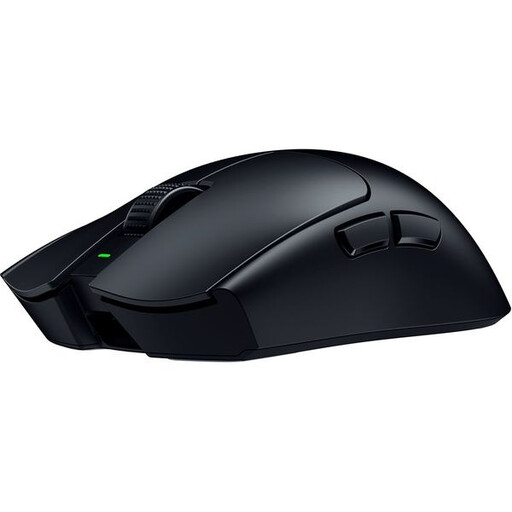 No image available
Consider this model if you want a lightweight wireless mouse for drills and its shape suits your grip.
Razer lists the Viper V3 Pro at 54 g and up to 8,000 Hz polling; the listed variant uses a 2.4 GHz wireless connection.
Higher polling does not guarantee better reaction results. Check button sound and the battery routine for the setting you plan to use.
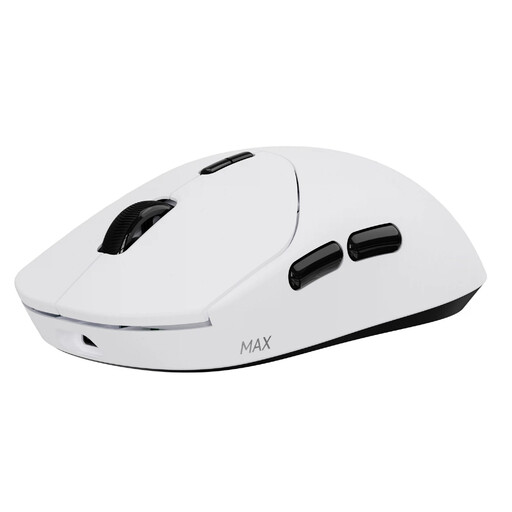 No image available
Consider this model if low stated weight and wireless polling options matter to your practice setup.
The listed white variant states 53 g, up to 8 kHz wireless polling and 10 programmable buttons.
Its advertised battery-life figure applies at 1,000 Hz with low-power mode enabled after a driver update. Check runtime at the setting you intend to use, as well as exact-model click sound.
 No image available
Consider this model if you want to switch between a gaming desk and another device.
The listed variant offers Bluetooth, 2.4G and USB-C connection modes, alongside a charging dock.
Confirm the exact variant’s weight before buying because its stated figures conflict. Check its battery routine, grip fit and button sound too.
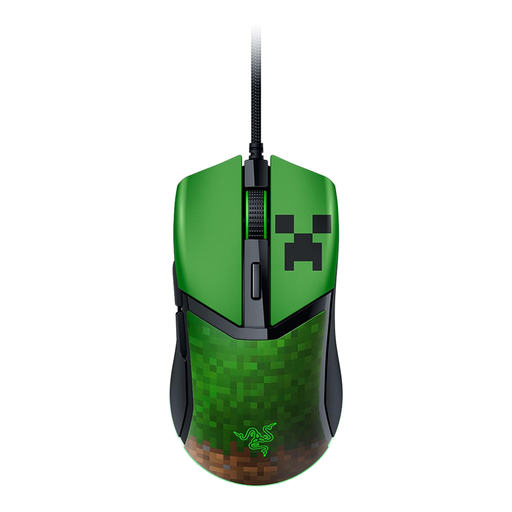 No image available
Consider this wired option if you would rather route a cable than manage charging between practice sessions.
The listed variant states 58 g and has a Speedflex cable.
Plan the cable’s path across your shared desk, and check the model’s click sound and polling mode if either is important to your choice.
Not necessarily: an 8,000 Hz setting does not establish that your reaction-test results will improve. Razer says higher polling sends data to the PC more often and can support lower latency and smoother visuals alongside a high-refresh-rate monitor. Choose a comfortable shape and stable settings before deciding whether the higher mode is useful in your setup.
For a qualifying UK distance purchase, the Consumer Contracts Regulations 2013 generally give you until 14 days after the day you receive the goods to cancel. Check the seller’s instructions and any applicable exceptions before ordering; change-of-mind cancellation is distinct from remedies for faulty, damaged or misdescribed goods.
Use an electrical-waste collection route rather than ordinary household rubbish. GOV.UK says waste electrical products can go to a household waste recycling centre and advises taping lithium-battery terminals to reduce fire risk. Check your local authority’s arrangements for the mouse and any removable batteries.