What to check before choosing
Check the space beside your keyboard and your usual grip before deciding how many mouse-side shortcuts you need.
| Concern |
What to check |
Who this matters to |
| Desk clearance |
Check the available mouse area beside the keyboard and whether a cable would cross it. If switching devices matters, check the connection modes of the exact model. |
I have little room to move the mouse and want to keep a cable out of that space; around 42% of consumers would make desk clearance their primary concern. |
| Hand fit and position |
Compare the mouse’s dimensions and button reach with your hand and grip. Allow room to place it close to the keyboard and in line with your elbow. |
Long decorating sessions involve enough clicking and dragging that I want a shape and position I can use comfortably; for around 33% of consumers, hand fit would come first. |
| Repeat commands |
List the commands you use most, check whether the game accepts the intended mouse-button bindings, and consider whether you can reach those controls without accidental presses. |
I often repeat tool or camera commands and would rather keep useful shortcuts within reach; shortcut access would be the main concern for around 25% of consumers. |
Joybuy gaming mice for this setup
These wireless gaming mice are choices to examine if you want to keep a mouse cable out of a small desk area and may use in-game shortcuts. Compare their shapes with your available space and check your game’s bindings before choosing.
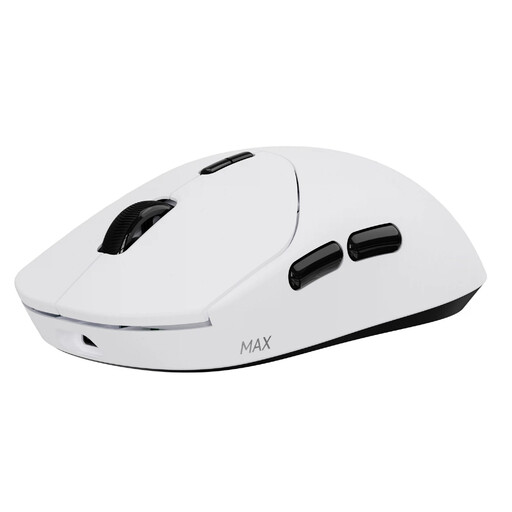 Image unavailable
RAPOO VT2 MAX Wireless Gaming Mouse, White
Consider this model if you want wireless use and expect to assign repeated decorating commands to mouse buttons; check that your game accepts those assignments.
The stated weight is 53 g, and the title specifies 10 programmable buttons and macro support. Check its dimensions and button reach against your hand and available desk space.
The advertised up-to-750-hour mode requires a driver update; it should not be treated as a prediction of runtime in your setup.
View on Joybuy
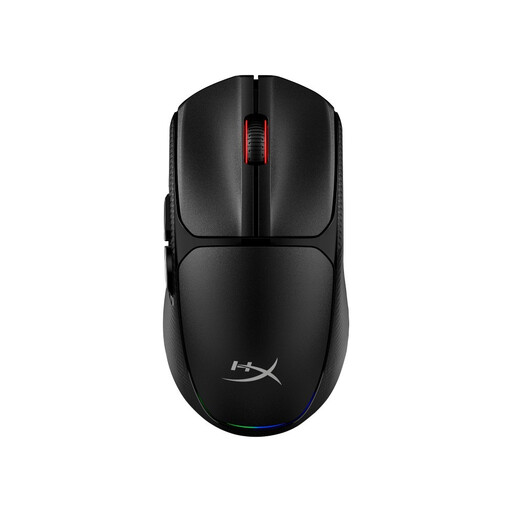 Image unavailable
HyperX Pulsefire Fuse Wireless Gaming Mouse
Wireless use may suit a desk where a mouse cable would cross the movement area. If mouse-side shortcuts matter to you, check the button layout and your game’s binding options.
Compare its dimensions and shape with your grip and the space beside your keyboard before choosing it for long decorating sessions.
View on Joybuy
 Image unavailable
AJAZZ AJ159 APEX Wireless Gaming Mouse with Magnetic Charging Base
Consider this model if 2.4 GHz wireless use suits your setup and you have room for its charging base as well as the mouse.
The title states a 56 g weight and 2.4 GHz wireless and wired modes. Check the exact connection modes if Bluetooth matters to you, and compare the mouse’s dimensions with your grip and desk space.
Check that your decorating game accepts any button assignments or macros you intend to use.
View on Joybuy
Common questions
Should I use 2.4 GHz wireless or Bluetooth for a decorating game?
Choose the connection mode that works with your device and how you use it: a model’s 2.4 GHz mode is an option for a gaming setup, while Bluetooth can be useful when you want to connect without a receiver. Some models offer both, but connection choice does not settle questions of hand fit or desk clearance.
Where should the mouse go on a small desk?
Place the mouse close to the keyboard and in line with your elbow, following Health and Safety Executive workstation guidance. If you use a laptop for prolonged sessions, its guidance also advises a separate keyboard and mouse so you can raise the screen.
Will a wireless mouse need replacement batteries?
That depends on the model’s power arrangement. Some use replaceable batteries: Razer bases its quoted Orochi V2 battery figures on an AA lithium battery, while Logitech G states a 250-hour figure for the G305 using one AA battery. Check the exact model’s battery type and the conditions attached to any runtime claim.
What should I do with an old mouse?
Use an appropriate electrical-equipment collection or retailer take-back route where one is available. GOV.UK guidance on waste electrical and electronic equipment describes recovery, reuse and recycling of electrical products and their components as the purpose of these arrangements.


