Players focused on aiming
If you make broad turns and frequent small corrections, mouse mass, grip shape and access to sensitivity controls may matter more to you than a crowded side panel.


For squad survival matches, choose a low-mass mouse with a shape that suits your grip if broad camera turns and repeated aim adjustments come first; choose more reachable buttons if you regularly map tactical commands to the mouse. When playing with headphones, check that your preferred voice or other repeat commands fit the button layout. High polling rates are another consideration, but they do not replace a comfortable shape, and wireless battery claims need to be read at the setting you intend to use.
If you make broad turns and frequent small corrections, mouse mass, grip shape and access to sensitivity controls may matter more to you than a crowded side panel.
If you want equipment, map or voice-related commands within thumb reach, consider how many buttons you can use comfortably without accidental presses.
Hand fit, cable arrangement and, for wireless models, the charging routine may shape your choice. Stated specifications cannot establish whether a mouse will feel comfortable in your hand.
Start with the movement and commands you use most in a match, then assess hand fit and, if you want wireless, battery life at your intended polling rate.
| Concern | What to check | Who this matters to |
|---|---|---|
| Aiming and camera movement | Compare stated weight and shape, particularly if you use low sensitivity and broad arm movements. | If I make wide turns and frequent aim corrections, I want a mouse I can move comfortably without giving up a usable grip. Around 36% of consumers put aiming and movement first. |
| Tactical controls | Check button placement and whether the software supports the commands you plan to map. | When I use repeat equipment or voice-related commands, I want to reach them without hunting for a key; around 29% of consumers prioritise tactical controls. |
| Wireless sessions | Compare battery claims at the polling rate you intend to use and consider when you can charge. | I want cable-free movement through a long session, but I also need a charging routine that works for me. Wireless continuity comes first for around 21% of consumers. |
| Hand fit | Check dimensions, shape and side-button position against your usual grip; handle a display model if possible. | If the shape or thumb controls feel awkward, the specification sheet will not settle my choice. Around 14% of consumers put sustained hand comfort first. |
Razer quotes up to 180 hours at 1,000 Hz but up to 45 hours at 8,000 Hz for the Viper V4 Pro. A higher setting can change how often you need to charge, while its usefulness also depends on your PC and display.
Compare runtime at the setting you expect to use, rather than treating the maximum polling figure as an overall quality score.
Running the highest polling setting may mean charging more often.
The wired SteelSeries Rival 5 offers nine programmable buttons, but SteelSeries also specifies an 85 g weight. That is a different arrangement from a lower-mass wireless mouse, not an automatic improvement for every player.
Write down the commands you would actually assign, then check whether their buttons would be easy to reach without accidental presses.
Weight and polling rate cannot tell you whether a mouse’s width, hump, clicks and side buttons suit your grip.
Compare dimensions and shape, try a display model where possible, and check the seller’s applicable return terms before buying.
A replaced gaming mouse is electrical equipment. UK WEEE guidance encourages recovery, reuse and recycling of electrical and electronic equipment.
Check your local collection options or an available retailer or manufacturer take-back route when replacing it.
Razer’s range includes the lightweight wireless Viper V4 Pro and the right-handed ergonomic DeathAdder line.
The PRO X SUPERLIGHT 2 represents a streamlined wireless layout for players who prioritise low mouse mass.
The wired Rival 5 offers a multi-button layout for players who want more commands on the mouse.
These gaming mice offer wireless movement and configurable controls for squad survival matches. Compare their stated variants and features with your grip, keybind plan and charging routine; their order is not a performance ranking.
 No image available
Consider this model if you want wireless movement alongside buttons for repeat commands. The title states 53 g, 8,000 Hz wireless polling and 10 programmable buttons.
The advertised battery figure of up to 750 hours applies at 1,000 Hz after a driver update enables low-power mode; check runtime at your intended setting and whether the shape suits your grip.
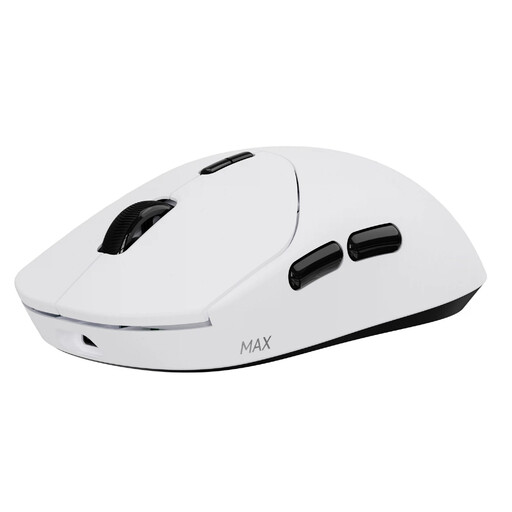 No image available
This variant combines a stated 53 g weight and 8,000 Hz wireless polling with 10 programmable buttons for players who want both broad movement and mapped commands.
Its advertised battery figure of up to 750 hours depends on 1,000 Hz operation and a driver update enabling low-power mode. Check runtime at your chosen setting and assess hand fit separately.
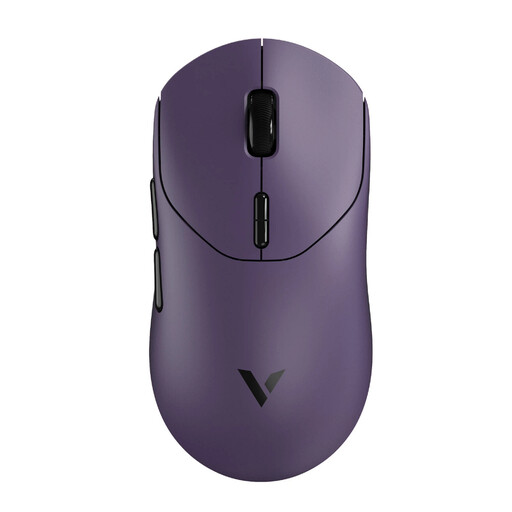 No image available
Consider the VT2 if you want a wireless mouse with mapped controls and prefer to assess a mechanical-switch variant. Its title states 53 g, 8,000 Hz wireless polling and 10 programmable buttons.
The advertised up-to-750-hour battery claim applies at 1,000 Hz after a driver update enables low-power mode. Check runtime at your intended setting and whether its click feel and shape suit you.
 No image available
This model may suit players looking for a wireless mouse with a charging base; its title states 56 g and 8,000 Hz polling. Confirm the maximum DPI and connection modes for this variant if either affects your setup.
Check battery runtime at your intended polling rate and assess the shape against your grip before choosing it for long sessions.
 No image available
Consider this model if a charging dock and configurable controls fit your setup. Its title identifies a PAW3311 sensor and Bluetooth, 2.4G and USB-C modes; the product information states polling up to 1,000 Hz in wired and 2.4G modes.
Confirm the weight before using it to compare mice, and check battery runtime and grip suitability for your sessions.
No. Polling rate describes how often the mouse reports data to the PC; Razer says higher rates can support lower latency and smoother visuals with a high-refresh-rate display. That does not guarantee an in-game advantage for every setup, so assess shape, controls and charging practicality as well.
The setting can materially change a wireless mouse’s stated runtime. Razer quotes up to 180 hours at 1,000 Hz and up to 45 hours at 8,000 Hz for the Viper V4 Pro; these are manufacturer claims at different settings, not promises for every use pattern.
They can be useful if you have repeat commands you can reach and remember reliably. SteelSeries specifies nine programmable buttons on the Rival 5, but a simpler layout may suit you better if you rarely map extra actions or find a busy side panel awkward.
Check an electricals collection or take-back option rather than assuming it belongs in general waste. UK WEEE guidance encourages the recovery, reuse and recycling of electrical and electronic equipment; your local authority or an available retailer or manufacturer scheme can help you find a suitable route.