Players focused on aiming
If tactical games involve frequent swipes and repositioning, consider the mouse’s mass and shape alongside whether its controls sit comfortably under your usual grip. A sensor specification alone cannot establish hand fit.


Choose a mouse shape and connection method before focusing on maximum DPI or polling-rate figures. A 2.4 GHz wireless mouse removes a cable from a crowded desk but needs a receiver and a power routine; a wired mouse avoids battery upkeep if its cable can move freely. Check hand fit, USB access and whether extra controls would be useful beyond tactical games.
If tactical games involve frequent swipes and repositioning, consider the mouse’s mass and shape alongside whether its controls sit comfortably under your usual grip. A sensor specification alone cannot establish hand fit.
A cable-free setup can leave more room around books and a laptop. Check where the receiver will plug in and whether charging or battery replacement fits your routine.
Consider whether you will use additional buttons for other tasks, or would rather have a straightforward wired setup. In either case, check the grip and desk arrangement before choosing by features alone.
Start with the shape you can use comfortably, then decide how a cable or receiver will fit around your desk. Treat battery arrangements and extra controls as separate decisions.
| Concern | What to check | Who this matters to |
|---|---|---|
| Aim and grip | Check shape, mass, handedness and button placement against your usual grip. | If I frequently lift and reposition the mouse, I want a shape that remains comfortable through those movements. Around 40% of consumers put aim control and grip first. |
| Cable-free desk | Check the connection modes, receiver and available USB port, then compare battery claims in the mode you intend to use. | With books and a laptop taking up desk space, I want the mouse cable out of the way without overlooking battery upkeep. For around 30% of consumers, that cable-free setup is the primary concern. |
| Simple upkeep | Check cable routing for a wired mouse, or the battery and charging arrangement for a wireless one. | If I want fewer things to manage between coursework and games, I would weigh a clear cable route against a battery routine. Around 20% of consumers prioritise that simplicity. |
| Extra controls | Check how many buttons you would use and whether their positions interfere with your grip. | When I use the same mouse for other games and study tasks, reachable extra controls may matter more than a minimal button layout. They are the leading need for around 10% of consumers. |
Those figures describe capabilities, not whether a mouse fits your hand or improves your results in a tactical game.
Check shape, handedness and mass before comparing the exact models’ sensor and polling specifications.
SteelSeries quotes different maximum runtimes for the Aerox 3 Wireless Gen 2 on Bluetooth and 2.4 GHz. A Bluetooth figure should not be treated as its 2.4 GHz figure.
Check which mode each claim describes and whether the mouse recharges or uses replaceable batteries.
Replaceable batteries or regular charging add a routine to the setup, depending on the model.
A wireless mouse still needs a suitable connection. A receiver occupying your laptop’s available USB port may change how convenient the setup feels.
Check your ports, where the receiver will sit and whether any required accessory is included.
Electrical products and batteries need an appropriate recycling route. GOV.UK advises taking waste electrical products to a local household waste recycling centre.
Use local electrical-waste or battery recycling arrangements. For a removable lithium battery, follow GOV.UK guidance to tape its terminals before recycling.
Its range provides different starting points for comparing lightweight wireless aiming, battery-powered wireless use and additional controls.
The Viper V3 Pro and wired Cobra offer different connection and shape choices for players comparing an esports-oriented mouse with a compact wired one.
The Aerox 3 Wireless range is relevant when a mouse needs to move between gaming and other devices.
The M75 Wireless is another shape to examine if you want an ambidextrous wireless mouse.
These mice cover cable-free options for a crowded student desk and a wired option for a desk where the cable can move freely. Compare their stated features with your grip, USB ports and preferred power routine.
 No image available
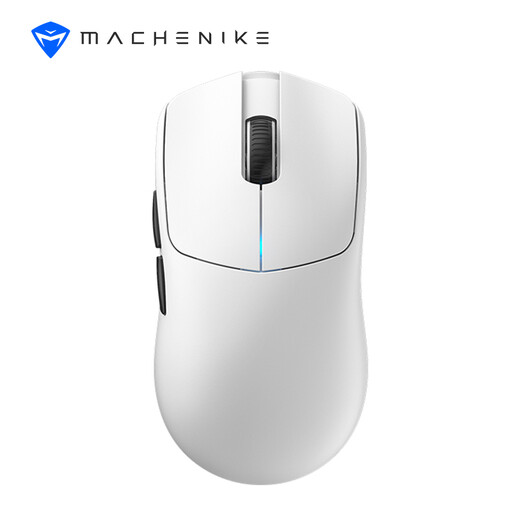
Consider this model if you want a lightweight mouse that can be used without a desk cable. Its title lists wired, 2.4 GHz and Bluetooth modes, a PAW3395 sensor and 8K capability. Check which mode suits your setup, whether a receiver is included and how the symmetrical shape fits your grip.
 No image available
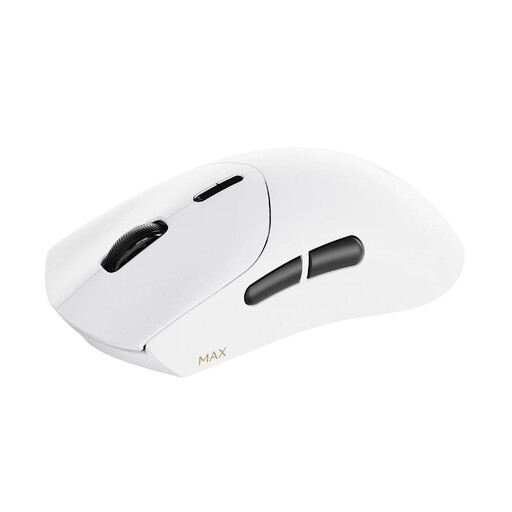
This is a cable-free option to consider if mouse mass matters to your aiming movements. The title states 53 g, 8K wireless polling and 10 programmable buttons. Its quoted runtime depends on a driver update for low-power mode, so check the operating conditions and your grip fit.
 No image available
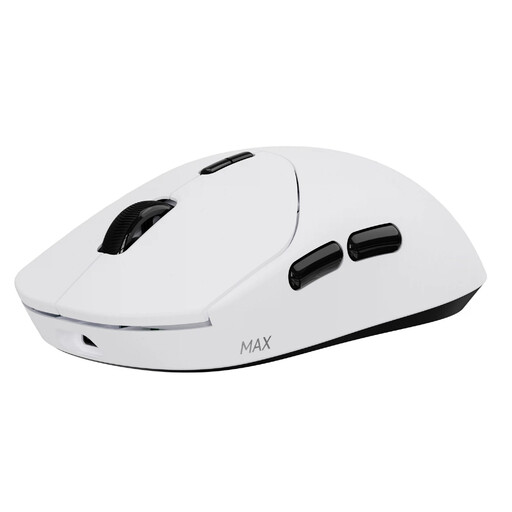
Consider this model if you want wireless use and expect to use programmable buttons. Its title lists 53 g, 8K wireless polling and 10 programmable buttons. Check hand fit and the driver-update condition attached to its quoted low-power runtime.
 No image available
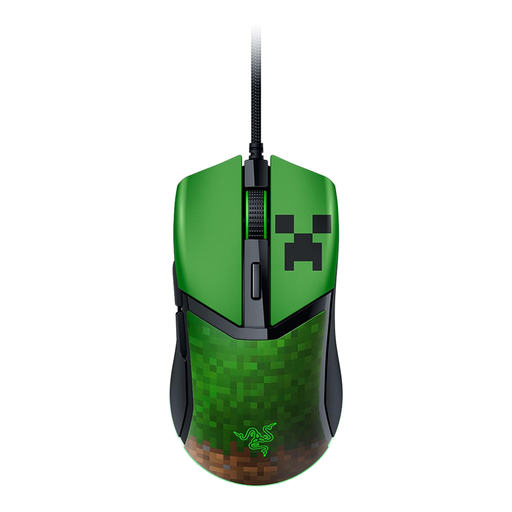
This wired edition avoids a battery routine if you have room for the cable to move. Check its cable length and your usual aiming range so it will not catch on the desk edge or study equipment.
 No image available
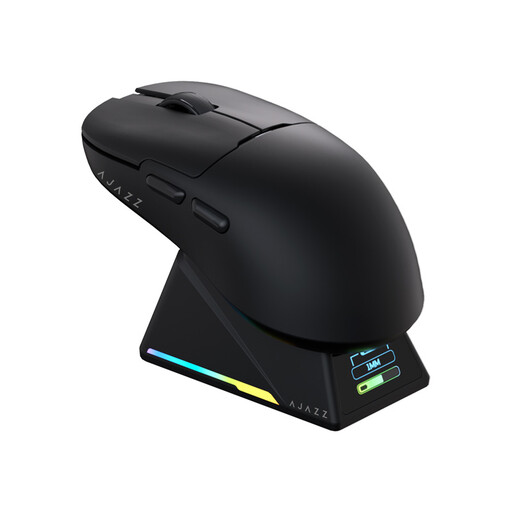
Consider this model if you want wireless play with a magnetic charging base at your desk. Its title lists 56 g, 2.4 GHz and wired modes, and an 8K polling-rate capability. Check the exact variant’s DPI specification, battery routine and grip fit before choosing it.
No particular polling-rate ceiling is necessary to choose a mouse for every player. Logitech G lists up to 8 kHz support for the PRO X SUPERLIGHT 2, but that capability does not establish a benefit for your play; check shape, comfort and connection first.
If your mouse offers a dedicated 2.4 GHz gaming receiver mode, use that mode for the manufacturer’s gaming-connection claim rather than assuming Bluetooth works identically. SteelSeries also quotes different battery runtimes by mode for the Aerox 3 Wireless Gen 2, so check the figure that applies to your setup.
Route the cable away from books, charging leads and desk edges, leaving enough slack for your normal aiming movement. A wired mouse avoids charging, but it is suitable only if the cable can move without catching.
Use an appropriate electrical-waste or battery-recycling route rather than ordinary household waste. GOV.UK says waste electrical products can go to a local household waste recycling centre and advises taping the terminals of removable lithium batteries before recycling.