Shortcut-heavy tactics players
If you regularly open maps and menus or issue repeated unit commands, you may want more actions within thumb reach. Count the commands you would actually assign before choosing a dense button panel.


For turn-based tactics, choose a mouse whose programmable controls you can reach comfortably during long sessions. A dense thumb panel makes sense if you will assign many recurring commands; otherwise, a less crowded button layout may be easier to use. If cable-free movement matters more, consider a wireless model, but check its charging needs and configuration software before buying.
If you regularly open maps and menus or issue repeated unit commands, you may want more actions within thumb reach. Count the commands you would actually assign before choosing a dense button panel.
If you spend extended periods planning turns and reading the map, shape, grip and reliable access to your most-used controls may matter more than the largest available button count.
If you often reposition your mouse or move between desk setups, wireless connectivity may appeal. Charging, connection mode and receiver requirements then become part of the decision.
Decide how many commands need dedicated controls, then check whether the shape lets you reach those controls without changing your grip. Treat weight and connectivity as separate preferences rather than substitutes for button fit.
Choose it when: You intend to practise a layout for many recurring actions, map tools or menus.
Trade-off: Closely grouped buttons take deliberate thumb placement; check reach before committing to the layout.
Choose it when: You want selected shortcuts without assigning a large command grid to your thumb.
Trade-off: Fewer immediately accessible positions mean some commands will remain on the keyboard.
Choose it when: Cable-free repositioning is a priority and you need only a moderate set of mouse shortcuts.
Trade-off: Plan for charging and check which connection mode and software features you intend to use.
| Concern | What to check | Who this matters to |
|---|---|---|
| Reachable shortcuts | List the commands you would bind, then check programmable-button positions and profile options. | If I repeatedly switch units and open tactical menus, I want those actions within reach without hunting for the right button. Around 42% of consumers put shortcut access first. |
| Control comfort | Check dimensions, handedness, grip fit and access to the side buttons and scroll wheel. | During a long planning session, I need to click and scroll without shifting into an awkward grip. Roughly 33% of consumers prioritise comfortable control. |
| Desk movement | Check weight, wired or wireless modes, charging arrangements and any receiver requirements. | I move my mouse around the desk and would rather manage charging than a cable. About 25% of consumers put cable-free or low-effort movement first. |
A closely packed thumb panel is useful only if you can distinguish and operate its buttons comfortably while playing.
Write down the commands you intend to bind and choose a layout you can reach without changing your grip. Check the seller’s return terms before ordering if you cannot assess the fit in person.
Wireless runtime depends on settings and connection mode. CORSAIR, for example, states its SCIMITAR ELITE WIRELESS SE figures for particular connection modes with RGB lighting off.
Compare manufacturers’ stated conditions alongside their runtime claims, then consider how you will charge or connect the mouse at your desk.
Remapping and profiles may depend on configuration software. Turtle Beach specifies full Kone II Air software support for Windows 10 or later.
Check the exact mouse and software version against your operating system, especially if you use macOS, Linux, a console or a managed work computer.
For products placed on the Great Britain market, Department for Business and Trade guidance explains that UKCA and CE markings indicate the manufacturer believes relevant product requirements are met. A marking does not tell you whether the buttons or shape suit your hand.
Assess button reach, grip and software compatibility separately from product-marking information.
These examples show different control layouts and configuration choices; the stated features apply to the named models, not every mouse from each brand.
The wired G502 HERO is an example for players who want multiple programmable controls in a conventional mouse layout.
The Basilisk V3 offers a right-handed, multi-button option for players considering a palm or claw grip.
The Aerox 5 Wireless is an option when low stated weight and wireless use matter alongside a moderate number of shortcuts.
The SCIMITAR ELITE WIRELESS SE addresses players prepared to use a dense, repositionable thumb-button panel.
The Kone II Air offers an ergonomic form with physical buttons and an additional configurable function layer.
These gaming mice include wireless choices for selected shortcuts and cable-free desk use, plus wired models for players considering a simpler control arrangement. Compare each mouse’s reachable buttons and software support with the commands you plan to assign.
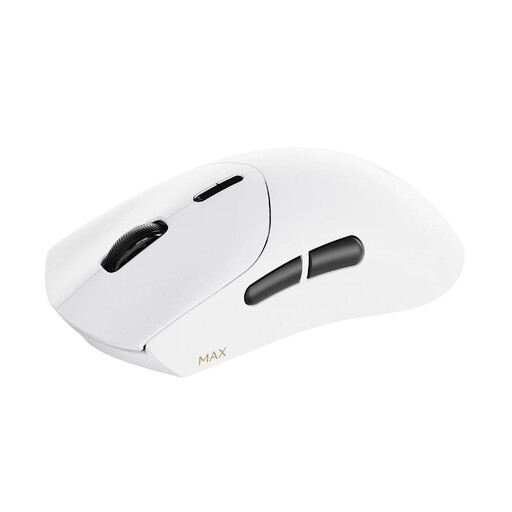 No image available
Consider this model if you want several controls for recurring tactics commands without choosing a dense thumb panel.
Its product name specifies 10 programmable buttons and a 53 g weight. Check the shape and button positions against your hand before buying.
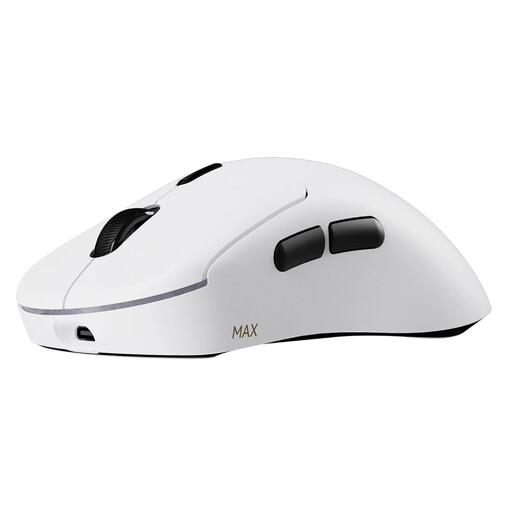 No image available
Consider this model if wireless movement and a moderate set of assignable commands are both priorities.
Its product name specifies 10 programmable buttons and a 53 g weight. Check its dimensions and grip fit rather than assuming it will feel the same as the VT7 MAX.
 No image available
This is a connection-flexibility option if you expect to assign only selected tactics commands rather than a large set of individual shortcuts.
Its product name lists Bluetooth, 2.4G and USB-C modes and a charging dock. Confirm the button layout, remapping functions and actual weight before relying on them for your choice.
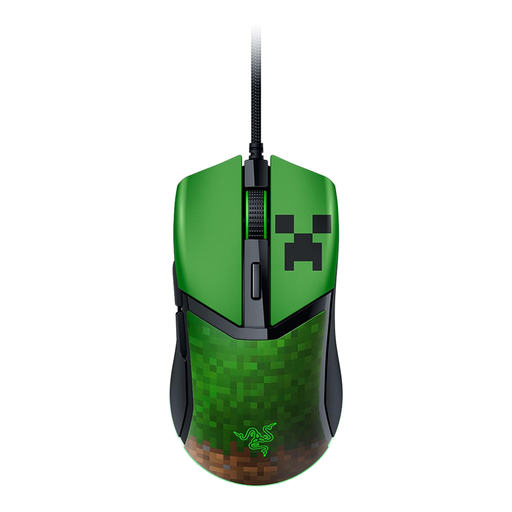 No image available
Consider this wired model if you prefer not to manage a wireless connection while assigning a few selected commands.
Check the number and placement of its programmable controls before planning your bindings, and confirm software compatibility if you do not use Windows.
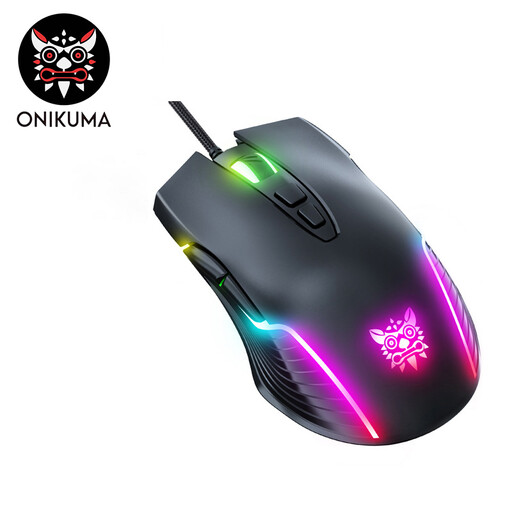 No image available
This wired model is worth considering if you want to keep mouse shortcuts selective rather than move a full command grid off the keyboard.
Confirm which buttons can be remapped, how configuration works and whether that process supports your operating system.
Choose enough reachable buttons for the commands you actually repeat, rather than selecting by the largest stated count. Logitech G lists 11 programmable buttons for the G502 HERO, while CORSAIR lists 16 for the SCIMITAR ELITE WIRELESS SE; the denser panel is relevant if you intend to assign and learn a larger command set.
For remapping buttons, creating macros or managing profiles, expect to check the exact model’s configuration software. Razer describes these functions for Synapse, and Logitech G describes button assignment through G HUB. Confirm support for both your mouse and operating system before ordering.
Check its connection modes, receiver requirements, charging method and the conditions attached to any battery-life claim. A manufacturer’s runtime figure may depend on settings such as connection mode or lighting, so compare it with how you intend to use the mouse.
No: a product marking is not an assessment of your grip, button reach or software needs. Department for Business and Trade guidance for products placed on the Great Britain market says UKCA and CE markings indicate that the manufacturer believes relevant product requirements are met; assess the mouse’s fit and controls separately.