Command-heavy transport sim players
If you often open maps, change camera views or select routes and tools, you may want reachable buttons for commands you would otherwise use on the keyboard.


Choose a gaming mouse around the commands you repeatedly use in transport simulations: accessible buttons, suitable scroll-wheel behaviour and a shape that fits your grip. A bright room does not, on the available manufacturer information, establish a need for a special sensor; treat RGB lighting as a preference rather than a substitute for usable controls.
If you often open maps, change camera views or select routes and tools, you may want reachable buttons for commands you would otherwise use on the keyboard.
If you spend extended periods moving through maps, menus and lists, pay attention to grip fit and scroll-wheel behaviour as well as button assignments.
If strong ambient light makes decorative lighting less important to you, focus on the physical controls and how the mouse feels in your hand. RGB customisation alone does not establish how visible an effect will be in daylight.
Start with the command or navigation task you most want the mouse to handle, then check whether its shape and button positions suit your grip.
| Concern | What to check | Who this matters to |
|---|---|---|
| Mapped commands | Check button placement, remapping software and whether your game accepts the intended assignments. | If I frequently switch between maps, routes and tools, I want commands within reach without relying on a crowded layout. Around 36% of consumers put command access first. |
| Wheel navigation | Check how the game uses wheel input and whether you prefer notched scrolling, free spinning or selectable modes. | When I move through long menus or adjust a map view, wheel behaviour matters more to me than extra side buttons. Around 27% of consumers make navigation their primary concern. |
| Long-session fit | Compare the shell and button reach with your usual palm, claw or fingertip grip; do not treat stated weight as proof of comfort. | If I play for extended sessions, I need a shape I can hold and controls I can reach comfortably. For around 27% of consumers, hand fit comes first. |
| Bright-room practicality | Treat RGB as optional and assess the physical controls rather than assuming lighting effects or maximum DPI address room brightness. | In a brightly lit room, I would rather choose by the controls I can use than by decorative lighting. Around 10% of consumers prioritise that distinction. |
Neither a maximum sensitivity figure nor configurable lighting tells you whether the buttons, wheel and shape suit repeated simulation tasks in a bright room.
Decide which physical controls you will use, then consider sensitivity settings and lighting as separate preferences.
Extra assignments help only if you can reach the controls and your game accepts the actions you want to map.
List your recurring commands, then check thumb reach, button placement and configuration software for the exact mouse.
A stated weight cannot tell you whether a shell supports your usual grip or whether you can reach its side buttons comfortably.
Compare shapes with your palm, claw or fingertip grip in mind. If you cannot try the mouse beforehand, read the retailer’s cancellation and return information before ordering.
The wired Basilisk V3 35K is worth considering if configurable scrolling and numerous command assignments are your priorities.
The wired G502 X is relevant if stated weight and a switchable scroll-wheel mode matter to your navigation.
The wired Aerox 5 offers a side-panel layout for players who want recurring commands near their thumb.
These wired and wireless gaming mice offer different starting points for transport-simulation controls. Compare their button arrangements and fit with your intended commands; a product title or button count alone cannot settle how its wheel or shape will feel to you.
 No image available
Consider this model if you want programmable controls for recurring simulation commands. Its title lists 10 programmable buttons, a stated 53 g weight and a battery rating of up to 750 hours; check button reach, wheel behaviour and whether your game accepts your intended assignments.
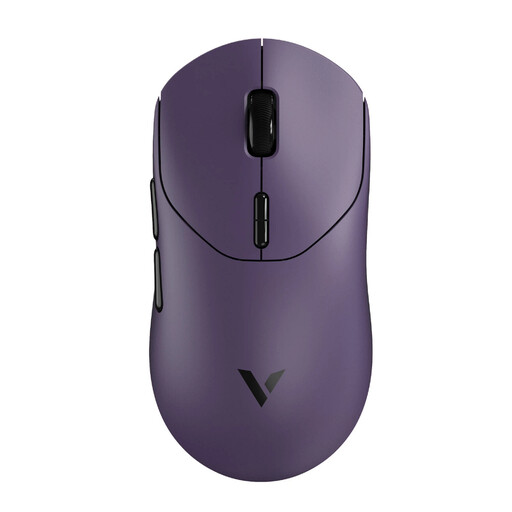 No image available
Consider this model for a wireless command layout if its buttons suit your reach. Its title lists 10 programmable buttons, a stated 53 g weight and mechanical switches; check the wheel and your game’s support for the assignments you plan to make.
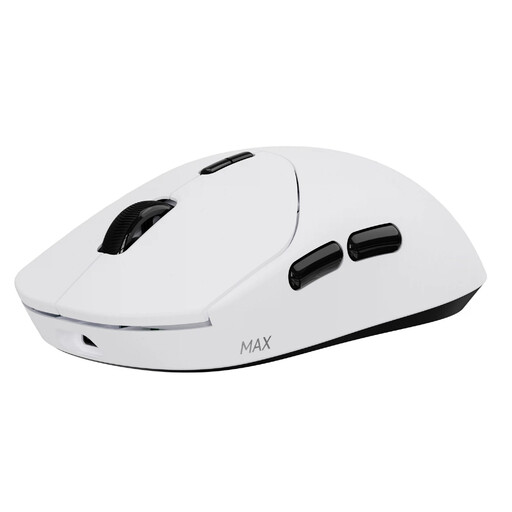 No image available
Consider the VT2 MAX if you want wireless operation and programmable buttons for repeated commands. Its title lists 10 programmable buttons, a stated 53 g weight and optical switches; assess grip fit and wheel behaviour before choosing it for long navigation sessions.
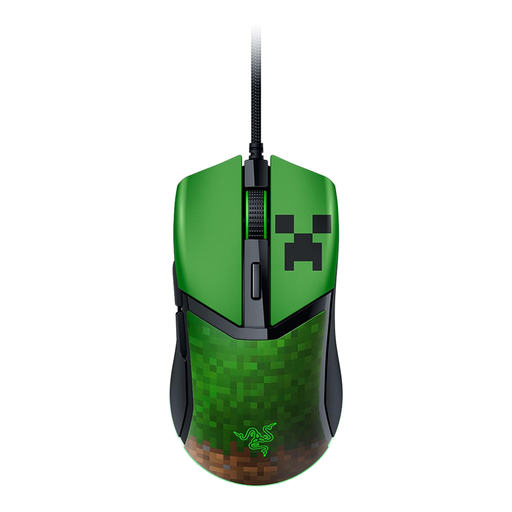 No image available
Consider this wired option if you prefer a cable and want to configure commands through Razer Synapse. Check the number and position of the controls you can assign, how its wheel behaves and whether its shape suits your grip.
 No image available
Consider this model if its connection choices and dock suit your desk setup. Its title lists Bluetooth, 2.4G and USB-C connection options; check which buttons you can remap, the wheel behaviour and the exact weight if those details will decide your choice.
A special sensor requirement is not established for ordinary bright-room play by the manufacturer information considered here. Choose by the controls, wheel and fit you need; RGB lighting is a separate preference.
Start with a few actions you use repeatedly, such as opening a map or changing a camera view. Logitech G HUB and Razer Synapse 4 document remapping features for compatible devices, but check the exact mouse and game before relying on a particular assignment or macro.
For online goods covered by the cancellation rules, GOV.UK says sellers must tell customers they can cancel up to 14 days after delivery without giving a reason. Exceptions can apply, so check the seller’s cancellation information and return terms before ordering; a change-of-mind cancellation is distinct from remedies for a faulty, damaged or misdescribed mouse.
Use an appropriate electrical-equipment recycling or collection route where available. GOV.UK describes the UK’s waste electrical and electronic equipment rules as intended to reduce electrical equipment sent to landfill or incineration; check your local collection options or a retailer’s take-back arrangements.