Socket-conscious wireless users
If you want fewer cables around your garden-building workspace, an AA-powered wireless mouse avoids a charging dock. Check whether your computer has Bluetooth for the model you choose or a spare port for its receiver.


Choose a wired gaming mouse if you want to avoid battery upkeep and can spare a USB port and room for its cable. Choose a battery-powered wireless mouse if a clear desk matters more, but check whether your computer supports its Bluetooth connection or has a port for its receiver. For virtual-garden design, weigh the controls you will actually use, scrolling and hand fit ahead of a headline DPI figure.
If you want fewer cables around your garden-building workspace, an AA-powered wireless mouse avoids a charging dock. Check whether your computer has Bluetooth for the model you choose or a spare port for its receiver.
If you repeatedly move the camera, zoom, select and place objects, accessible buttons and scroll behaviour may matter more to you than a headline sensor figure. Check that your design software accepts the assignments you want to make.
If you would rather not monitor or replace batteries, a wired USB mouse removes that task. You still need a usable USB connection and a place to route the cable.
Decide how much cable and battery upkeep you will accept, then check the controls and shape against the way you build your virtual garden.
| Concern | What to check | Who this matters to |
|---|---|---|
| Charging and desk cables | Check whether the mouse is wired, uses replaceable batteries or needs charging; for wireless use, check Bluetooth compatibility or the receiver port. | With few plug sockets and a crowded desk, I want fewer cables without adding a charging routine. Around 42% of consumers put that need first. |
| Garden-building shortcuts | Identify the commands you repeat, then check button placement and whether your software accepts the desired assignments. | When I repeatedly select, place and edit objects, I want controls I can reach without interrupting my work. For around 33% of consumers, shortcut access is the primary concern. |
| Fit and everyday upkeep | Check handedness and grip fit, and decide whether you prefer a cable or battery maintenance. | During a long building session, I want a mouse that fits my hand and is ready without battery checks. That is the leading need for around 25% of consumers. |
A receiver-based mouse still needs a USB port, while a Bluetooth model needs compatible computer hardware. Battery-powered mice also need charging or replacement batteries.
Choose the connection you will use before buying, and check the available ports and battery arrangement.
A replaceable-battery model will need fresh batteries; a rechargeable model may need a charging arrangement.
A sensor sensitivity figure does not tell you whether buttons are reachable or the scroll wheel suits your navigation. Extra controls help with garden-building commands only if you can assign and use them in your software.
List your recurring commands, then check grip, scrolling, button position and remapping compatibility.
An ambidextrous shape and a sculpted right-handed shape offer different ways to hold a mouse; neither label establishes how it will fit your hand.
Check dimensions, weight, handedness and button placement. If you cannot try the mouse, read the applicable retailer return terms before ordering.
The G305 is a reference point if you want wireless use without a charging dock.
The Basilisk models illustrate different ways to combine configurable controls with a right-handed shape.
The wired M55 RGB PRO is a reference point if you want buttons you can configure without managing a mouse battery.
These wired and wireless gaming mice offer different ways to manage desk cables and power while choosing controls for virtual-garden design. Check your computer connection, hand fit and application compatibility for the particular model.
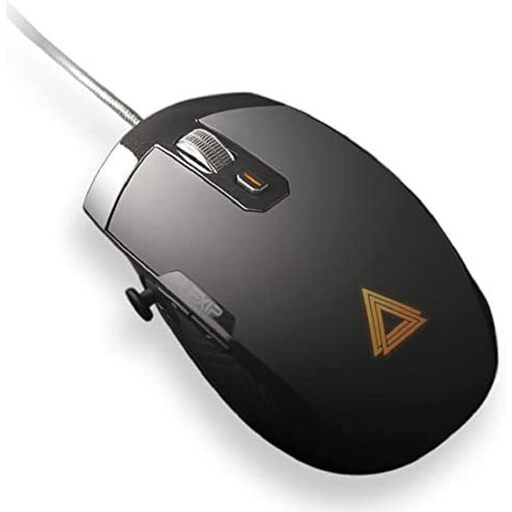 No image available
Consider this wired option if you want to avoid mouse charging and are interested in joystick-based navigation. Check that its right-handed shape and USB-A connection suit your setup, and confirm how joystick inputs and button assignments work in your garden-design application.
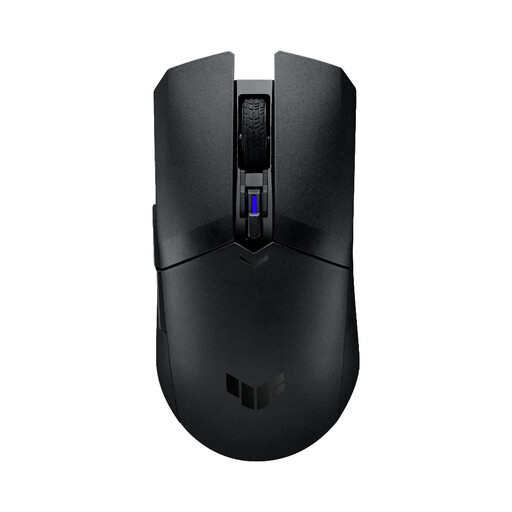 No image available
Consider it if you want a mouse-free desk cable and the option of Bluetooth or a receiver connection. Check your computer’s Bluetooth capability or spare USB port, the battery upkeep you are willing to accept, and whether button assignments work in your design application.
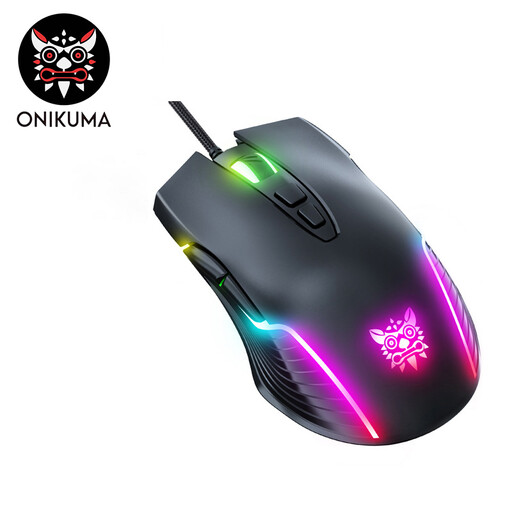 No image available
This wired mouse suits a setup where avoiding battery upkeep matters more than removing the desk cable. Allow a USB port and space for the cable, and confirm the button-remapping options you need in your garden-design application.
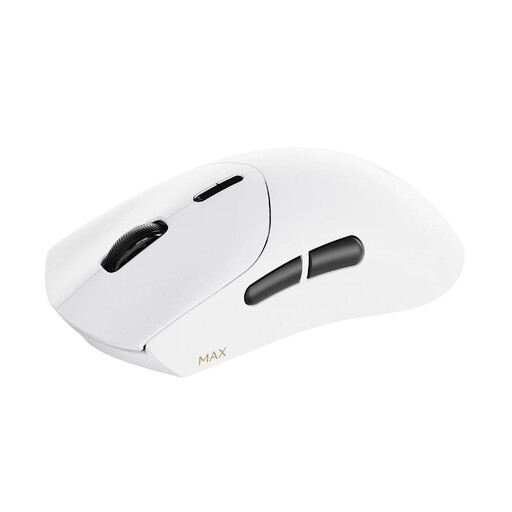 No image available
Consider this receiver-based wireless model if you want a clear desk and controls for repeated commands. Its title specifies a 53g weight and 10 programmable buttons; check that the receiver has a free USB port and that assignments work in your application. The stated battery-life claim depends on a driver update and low-power mode, so plan for charging rather than treating it as maintenance-free.
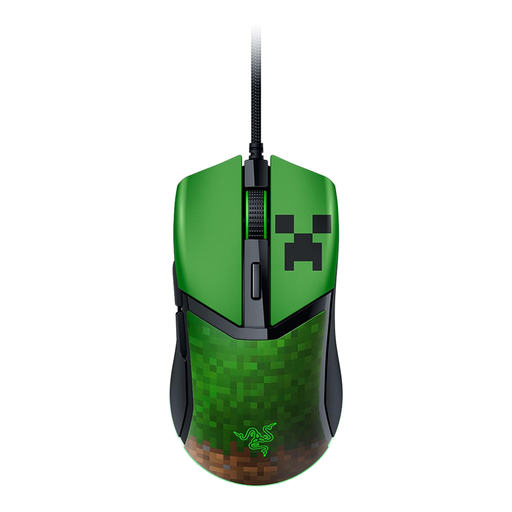 No image available
This wired option may appeal if you want to avoid charging and prefer a symmetrical shape. Check hand fit, cable routing and your available USB port; if shortcut access is central to your garden building, confirm button placement and application compatibility before choosing it.
An AA-powered wireless mouse can avoid adding a charging dock, but it still needs replacement batteries and a connection to your computer. Logitech G specifies one AA battery and a wireless receiver for the G305; Razer specifies Bluetooth and receiver-based modes for the Basilisk V3 X HyperSpeed. Check the port or Bluetooth hardware required by the model you choose.
Choose wired if avoiding battery upkeep matters most and you can accommodate a USB cable; choose wireless if desk freedom matters more and you can manage its connection and power needs. In either case, check hand fit and the controls required by your design software.
Start with the commands you repeatedly use, then choose buttons you can reach and assign in your application. Corsair specifies eight programmable buttons for the M55 RGB PRO, Razer nine controls for the Basilisk V3 X HyperSpeed and 10+1 programmable buttons for the wired Basilisk V3; those counts alone do not establish application compatibility or hand fit.
Check your local authority’s electrical-waste collection options or an available retailer take-back service rather than treating the mouse as ordinary rubbish. GOV.UK explains that UK waste electrical and electronic equipment arrangements aim to support recovery, reuse and recycling.