Shortcut-heavy virtual builders
If you repeatedly open menus, change the camera or switch building tools, assignable mouse controls may save trips to the keyboard. Check that your game accepts the bindings you want to use.


Choose a gaming mouse with adjustable sensitivity and a shape that feels manageable during repeated dragging and placement; a large screen alone does not call for the highest advertised DPI. Extra controls are worth considering if your decorating game accepts the shortcuts you use, while a simpler shape may suit you better if those buttons would get in the way. Wireless can ease cable routing, but its connection mode and battery upkeep still matter.
If you repeatedly open menus, change the camera or switch building tools, assignable mouse controls may save trips to the keyboard. Check that your game accepts the bindings you want to use.
If you spend extended sessions dragging and adjusting objects, consider how the mouse’s shape, weight and button positions work with your hand and grip.
If your PC is connected to a large monitor or TV and cable routing is awkward, check the mouse’s wireless mode, receiver placement and battery requirements.
For virtual-house decorating on a large screen, start with the task that affects you most: reaching for commands, dragging comfortably, placing the mouse without a cable or adjusting the cursor for small objects.
| Concern | What to check | Who this matters to |
|---|---|---|
| Shortcut access | Check which buttons can be assigned and whether the game accepts your intended commands. | If I keep returning to building tools and camera controls, I want those commands within reach rather than constantly switching to the keyboard. Around 33% of consumers put shortcut access first. |
| Hand comfort | Compare dimensions, weight, handedness and side-button placement with your grip. | During a long decorating session, I want a mouse I can keep moving and holding comfortably. For around 25% of consumers, hand comfort is the primary concern. |
| Wireless setup | Confirm the connection modes, receiver requirements and battery conditions for the exact model. | When my large-screen setup makes a cable awkward, I want freedom to position the mouse without losing track of its power needs. Cable-free use comes first for around 25% of consumers. |
| Sensitivity adjustment | Look for accessible DPI adjustment and check how it works alongside the game’s sensitivity setting. | I need to travel across the display without making small furnishing adjustments feel too twitchy. Around 17% of consumers prioritise sensitivity adjustment. |
A high maximum DPI does not establish that placing small objects will feel easier. What matters is being able to move between broad navigation and controlled placement.
Check the available DPI adjustments and the position of the control, then consider whether the seller’s return terms let you assess the mouse with your game and desk setup.
A mouse may offer both a dedicated 2.4 GHz connection and Bluetooth, with different intended uses and stated battery life for each mode.
Confirm which modes the exact model supports, whether the required receiver is included and where you can connect it.
Depending on the model, you will also need to manage charging or replacement batteries.
Programmable controls only help with decorating commands if the game accepts the bindings and you are willing to set them up.
Identify a few actions you would actually assign before choosing a button-rich mouse; otherwise, give more weight to its shape and core controls.
A shaped or ambidextrous shell does not establish how well its size and buttons will suit your hand and grip.
Check dimensions, handedness, weight and button reach, along with the seller’s return terms.
Its G305 and G502 lines illustrate a choice between a simpler wireless model and models with more configurable controls.
The Basilisk, DeathAdder and Viper models offer different approaches to control layout, weight and grip shape.
The M75 Wireless is an option to examine if an ambidextrous wireless shape appeals to you.
These gaming mice cover different approaches to the same decorating setup: accessible controls, a lighter design, adjustable sensitivity or cable-free use. Compare each model’s fit and controls with the actions you perform most often.
 No image available
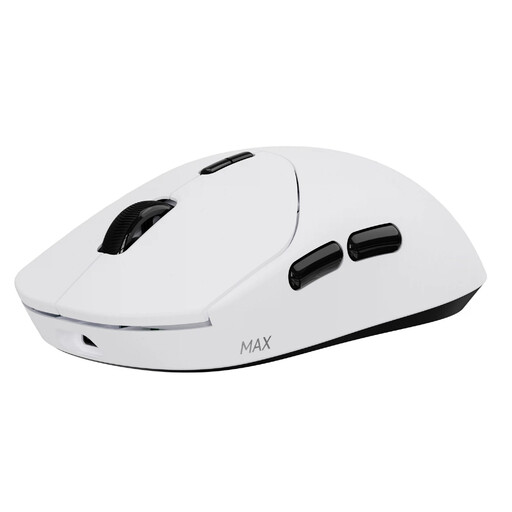
Consider this model if repeated decorating commands make assignable controls useful, provided your game accepts the bindings you want.
The product title specifies a 53 g weight and 10 programmable buttons. Its stated battery life of up to 750 hours depends on 1000 Hz use and a driver update to unlock low-power mode.
Check its dimensions and button placement against your grip before choosing it for longer sessions.
 No image available
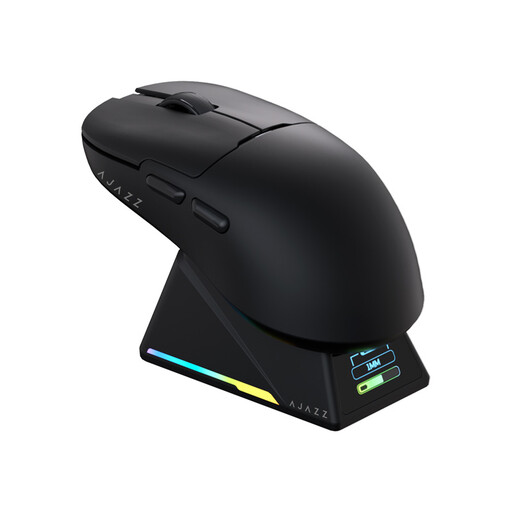
This model is worth considering if you want a lighter mouse for placement adjustments and a cable-free option for the large-screen setup.
The product title specifies 56 g, a magnetic charging base and 2.4 GHz wireless or wired use. Check the exact variant before relying on a particular maximum DPI or Bluetooth connection, as the product information gives conflicting claims.
Check its dimensions for your grip and confirm that your game accepts any button assignments you intend to use.
 No image available
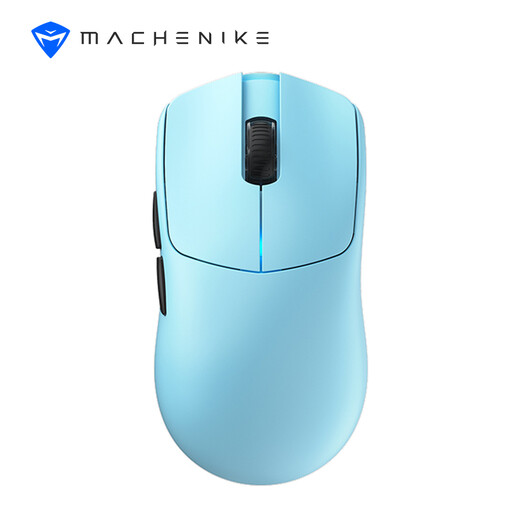
Consider this mouse if a lighter design and the option to move between wired and wireless use matter more to you than a confirmed shortcut-button layout.
The product information describes a 49 g symmetrical design, six DPI levels and 2.4 GHz wireless use. Check the dimensions against your grip and confirm whether its controls can be assigned to your decorating commands.
Its stated battery life is over 100 hours; check the conditions that apply to your intended use.
 No image available
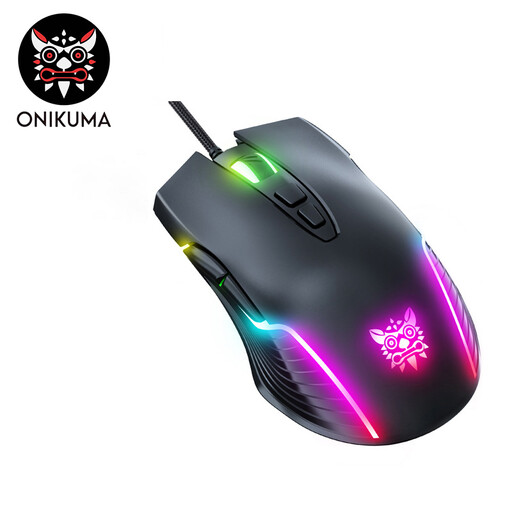
This wired option may suit you if changing sensitivity for navigation and placement matters, but you do not need a cable-free setup.
The product information lists six preset DPI levels from 800 to 6400. Check its dimensions and weight if hand fit is a priority.
Confirm whether its buttons can be programmed before counting on them for decorating-game shortcuts.
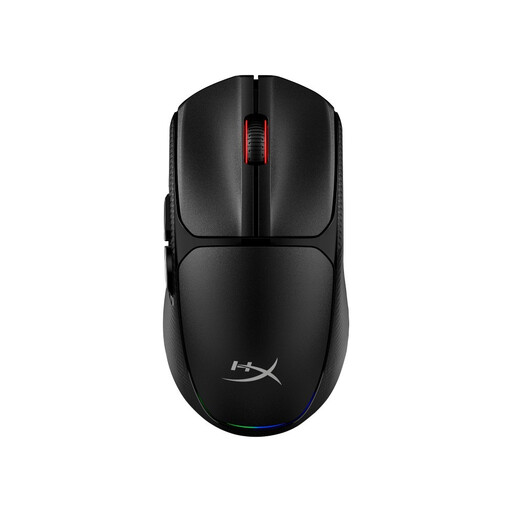 No image available
Consider this mouse if a cable-free setup and adjustable controls are useful for your decorating game.
The product information describes 2.4 GHz wireless use with a USB receiver, adjustable DPI and programmable buttons configured through HyperX software. Its shape is described as right-handed, so check the fit for your grip.
Check the DPI range, button layout and battery requirements if they will determine your choice.
No. Screen size alone does not determine a useful maximum DPI; look for adjustments that let you cross the display while still placing objects with control. Logitech G documents DPI-shift and DPI-cycling controls on named G502 models, but their positions and functions differ by model.
Either can suit the task: wired use avoids battery management, while a suitable wireless connection can make cable routing easier. SCAN UK’s gaming-mouse guide notes that high-end wireless mice can be competitive with wired mice; check the exact model’s connection mode and power requirements rather than treating every wireless option alike.
Assign the commands you actually use, then test them in the game alongside a comfortable sensitivity setting. Where the model supports profiles, consider one for decorating and check that its DPI control is not easy to press accidentally with your grip. Follow the manufacturer’s software and firmware instructions for the exact model.
Check your local authority’s electrical-equipment collection options or an available retailer take-back route. GOV.UK describes UK waste electrical and electronic equipment rules as encouraging the recovery, reuse and recycling of products and components.