For mainly 2D tile-set work, choose a PC around the memory, storage, screen and connections your workflow needs rather than buying to Unreal Engine’s recommendations by default. If Unreal development is part of the plan, Epic Games recommends 32 GB of system RAM and at least 8 GB of graphics memory. A smaller PC can free desk space, but the PC, display and other powered devices still need a safe socket setup.
Who this setup suits
Pixel-art tile-set beginners
If most of your time goes into drawing tiles, organising assets and testing a 2D game, start with the requirements of those tools rather than a demanding 3D workflow. Unity Technologies notes that its Editor’s memory needs depend on project size and complexity.
Indie developers moving into game engines
If you expect to keep an engine, artwork tools and other applications open together, allow for the projects you intend to build next. Unity Technologies recommends at least 8 GB of RAM for its Editor, while Epic Games recommends 32 GB for Unreal Engine development.
Creators working at a small desk
If space and wall sockets are limited, consider where the computer, screen and peripherals will go before choosing a form factor. A laptop can provide its own screen; a compact desktop reduces the computer’s footprint but still needs a suitable power arrangement.
What to check before buying
Decide whether the project is primarily 2D or will involve Unreal Engine or substantial 3D work, then check the exact PC configuration and plan power for the complete setup. A compact case and limited sockets are separate considerations.
| Concern |
What to check |
Who this matters to |
| Everyday responsiveness |
Check installed RAM and SSD capacity against your editing tools and project size. Unity Technologies recommends at least 8 GB of RAM for its Editor and says larger projects need more. |
If I mainly draw tiles and test lighter Unity projects, I want the editor and my other everyday tools to remain usable together. Around 36% of consumers put that 2D-first need ahead of the other concerns here. |
| Safe power setup |
List the powered devices, check the extension lead’s rating and avoid overloading sockets. Electrical Safety First warns that overloaded sockets create a fire risk. |
With few wall sockets, I need to make room for the PC and any separately powered screen or accessories without overloading a lead. For around 29% of consumers, safe power planning comes first. |
| Unreal and 3D headroom |
For planned Unreal Engine development, compare installed system RAM and graphics memory with Epic Games’ recommendations of 32 GB and at least 8 GB respectively. |
If Unreal or more complex 3D scenes are part of my near-term work, I need to assess that workload rather than buy only for tile drawing. Around 21% of consumers prioritise this headroom. |
| Room to expand |
Check the exact model’s available memory and storage expansion options, as well as the space its case will occupy. |
I may start with tile sets but want to add memory or storage as the project grows. Future expansion is the leading concern for around 14% of consumers. |
Buying pitfalls
-
Treating an extension lead as unlimited power
Extra outlets do not remove the risk of overloading a socket. Electrical Safety First warns that overloading creates a fire risk.
Count the devices you intend to connect, check the lead’s rating and do not use damaged leads or daisy-chain extensions.
-
Buying to Unreal requirements for a 2D-only project
Epic Games’ recommendation of 32 GB of RAM and at least 8 GB of graphics memory concerns Unreal Engine development; it is not a minimum for every tile editor or Unity project.
Choose the engine and likely project complexity first, then compare PCs against that workload.
-
Assuming a product family has one specification
Memory, storage and graphics can differ between configurations in a desktop range. A family name also does not establish the expansion options of the particular PC you are buying.
Keep the exact model number and check its installed components, ports, expansion options and warranty terms before checkout.
-
Expecting a small case to solve the socket problem
A compact desktop may take up less desk space, but a monitor and any separately powered accessories remain part of the electrical setup.
Assess desk fit, display connections and socket load separately before choosing a compact model.
Relevant brands to consider
Lenovo Legion
Lenovo’s Legion towers are worth examining if you want a desktop you may expand as your tile-set projects grow.
- Lenovo describes tool-less side-panel access on the Legion Tower 5i Gen 10.
- Check the memory and storage expansion options of the exact configuration rather than assuming every Legion tower is alike.
HP OMEN
HP’s OMEN desktop range offers different case sizes for buyers weighing desk footprint against their intended workload.
- HP UK lists both compact OMEN 16L systems and larger OMEN 35L configurations.
- Compare exact product codes: the OMEN family name alone does not identify the installed memory, storage or graphics.
MSI
MSI’s desktop range includes differently sized systems, including the small-form-factor Trident series.
- The range gives buyers a way to compare case size alongside the components needed for their work.
- Check the exact CPU, graphics, RAM and display ports; series positioning does not establish performance for a particular project.
ASUS ROG
The ROG NUC is a compact-PC route for a workspace where the computer’s physical footprint matters.
- ASUS describes the ROG NUC as an ultra-small-form-factor system.
- Confirm the exact model’s memory, graphics, display connections and expansion options for your intended tools.
Joybuy product choices
These choices include laptops with built-in screens for a compact workspace and desktop towers to assess if Unreal or 3D work is planned. Compare each configuration with your own tools, available space and the power needs of the complete setup.
 Image unavailable
Lenovo LOQ Essential 15ARP11, Ryzen 7 170, RTX 5050
Consider this laptop if you want to draw tiles and use its own screen rather than make room for a separate monitor.
The listed configuration has 16 GB RAM, a 1 TB SSD and a 15.6-inch 144 Hz FHD display. Its 16 GB of system RAM is below Epic Games’ 32 GB recommendation for Unreal Engine development.
View on Joybuy
 Image unavailable
CyberPowerPC JOYB1013, Ryzen 7 9800X3D, RTX 5080 16 GB
Consider this tower if Unreal Engine development is a confirmed part of the project, while allowing space and power for a display and peripherals.
The listed configuration has 32 GB DDR5 RAM, a 2 TB NVMe SSD and 16 GB graphics memory. Those memory figures meet Epic Games’ stated Unreal Engine recommendations; they do not determine the load of your complete electrical setup.
View on Joybuy
 Image unavailable
CyberPowerPC JOYB1010, Core Ultra 7 265KF, RTX 5070 12 GB
This is another tower configuration to assess if you plan to work in Unreal Engine as well as create tile sets; check where a monitor and the tower will fit.
It is listed with 32 GB DDR5 RAM, a 1 TB NVMe SSD and 12 GB graphics memory. Both memory figures meet Epic Games’ stated Unreal Engine recommendations, but socket planning still depends on every powered device you use.
View on Joybuy
 Image unavailable
Stormforce Cyclone, Intel Core i7, RTX 5080
Consider this tower for planned Unreal Engine work, provided its placement and the rest of the powered setup suit your workspace.
The product is listed with 32 GB RAM and a 2 TB SSD. Its RTX 5080 configuration is a distinct variant; check its exact graphics-memory specification against the requirements of your intended work.
View on Joybuy
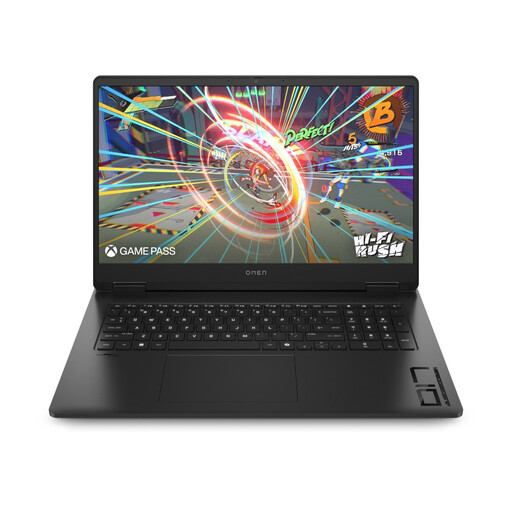 Image unavailable
HP OMEN 17-db1000na, Ryzen AI 7 350, RTX 5060
Consider this laptop if a built-in screen suits your tile-editing workspace and you want to assess a single-computer setup before adding a monitor.
The listed configuration has 16 GB RAM, a 1 TB SSD and a 17-inch Full HD display. Its system RAM is below Epic Games’ 32 GB recommendation for Unreal Engine development.
View on Joybuy
Frequently asked questions
Do I need a high-end gaming PC to create a tile set?
Not for tile drawing alone. Unity Technologies recommends at least 8 GB of RAM for its Editor and says needs rise with project complexity, so choose memory and storage for the tools you will actually run; Epic Games’ higher memory recommendations apply to Unreal Engine development.
Will a compact desktop use fewer sockets?
A compact case does not, by itself, reduce the number of devices needing power. Account separately for the PC, monitor and any powered accessories; if avoiding a separate monitor is important, a laptop with a built-in screen is another option to assess.
Can an extension lead make a limited-socket PC setup workable?
An extension lead can provide more outlets if its rating is suitable for the connected devices and the socket is not overloaded. Electrical Safety First warns that overloading sockets creates a fire risk and advises using a lead with a standard UK three-pin fused plug.
What should I check before planning a later PC upgrade?
Check the exact model’s available memory and storage expansion options, compatibility and warranty terms before buying. A manufacturer’s description of an upgradeable product line does not establish which parts can be changed in every configuration.


