Choose a gaming PC around the games, replay tool, monitor and applications you will use together, rather than the graphics-card name alone. PCSpecialist’s student guidance pairs a Ryzen 5 or Core i5, 16GB RAM, an RTX 5060 and 512GB NVMe storage for general study and casual gaming; more demanding coursework or higher frame-rate goals call for checking whether you need more memory, processor and graphics headroom. In a small room, a laptop or compact desktop may be easier to place, but its connections, cooling clearance and upgrade options still need checking.
Who is this setup for?
Competitive players reviewing their matches
You play competitive games and revisit replays while keeping voice chat, browser research or coaching tools open. Your choice needs to account for those applications running together, not just the game on its own.
Gamers with limited room space
Desk or floor space affects where you can put a PC and monitor. Case footprint, ventilation clearance, ports and cable access matter alongside the graphics hardware.
Students combining gaming with demanding coursework
If creative or technical course applications share the machine with games and recordings, memory, processor capability and local storage deserve closer attention than they would for a game-only setup.
What matters when choosing?
Start with the requirements of your game, replay software and monitor, then decide how much room the computer and its connections can occupy. Compare memory and storage against the applications and files you expect to keep open or save locally.
| Concern |
What to check |
Who this matters to |
| Playing and reviewing matches |
Check the exact CPU, installed RAM and GPU against your game, replay tool and monitor settings. |
When I review matches with voice chat and browser tabs open, I need the PC to suit that whole workload. Around 40% of consumers put play-and-review multitasking first. |
| Room fit and connections |
Measure the case location with ventilation and cable clearance; check display, USB and network connections. |
If desk space is tight, I need a setup I can place without blocking airflow or losing access to my monitor and peripherals. Room fit comes first for around 30% of consumers. |
| Coursework and file storage |
Compare installed memory and SSD capacity, then check whether later expansion is practical. |
With demanding coursework, games and replay files sharing one machine, I need enough capacity for what I keep locally. Around 30% of consumers prioritise that longer-term headroom. |
Buying mistakes to avoid
-
Choosing by GPU name alone
A replay-review PC also relies on its processor, memory and storage, particularly when other applications remain open during play.
Compare the complete written configuration, including CPU, GPU, RAM, SSD, ports and cooling, with the requirements of your games, replay tool and monitor.
-
Assuming every mini PC is a gaming PC
A compact case does not establish what graphics hardware is inside. CyberPowerPC UK lists small-form-factor systems with dedicated RTX graphics, but that does not describe every mini PC.
Check the installed GPU on the exact model, then measure its placement and confirm ventilation clearance, display outputs and peripheral connections.
If the ports or storage do not meet your needs, external devices can take up some of the space you were trying to save.
-
Reading the warranty length as full-term cover
Parts, labour and collection may have different cover periods. Chillblast and CyberPowerPC UK describe different terms within their respective five-year desktop warranties.
Read the terms for the exact PC and keep its order details. Citizens Advice also notes legal rights where goods are faulty, damaged or not as described; a voluntary warranty does not replace those rights.
-
Allowing too little space for files
PCSpecialist uses 512GB NVMe storage in its general student configuration, while the space you need depends on the games, recordings and coursework you retain locally.
Review your current files and expected recording habits before choosing an SSD capacity. If you may expand it later, check the selected PC’s available storage connections and upgrade terms.
Relevant gaming PC builders
PCSpecialist
A configurable PC builder with student-oriented guidance and small-form-factor ranges.
- Its student guidance gives a configuration starting point for general study and casual gaming, including a Ryzen 5 or Core i5, 16GB RAM and an RTX 5060.
- Treat that guidance as a starting point: check the final build against your games, replay application, monitor and storage needs.
Chillblast
A builder offering custom and pre-built gaming desktops.
- Chillblast describes five-year PC warranty terms: three years covering parts and labour with collection, repair and return, followed by two years of return-to-base labour.
- Check the terms for the exact system, including its components and any product-specific exclusions.
CyberPowerPC UK
A builder with pre-built, configurable and small-form-factor gaming PC ranges.
- Its listings include conventional and compact systems with dedicated graphics. CyberPowerPC UK describes a limited desktop warranty with 12 months’ collect-and-return cover, two years’ parts cover and five years’ labour cover.
- Confirm the selected configuration, case dimensions and applicable warranty tier before ordering.
PCs and laptops to compare
These Joybuy choices include laptops for a room where a separate tower is awkward, plus desktops for a fixed gaming setup. Compare the space needed for a screen and peripherals as well as the PC’s stated components; none of the specifications alone establishes performance in your particular game or replay workflow.
 No image available
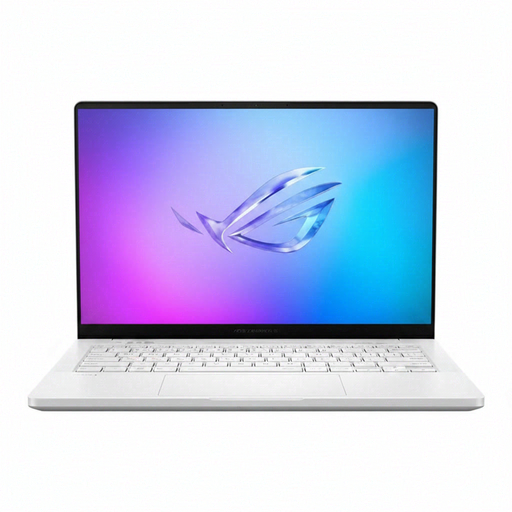
ASUS ROG Zephyrus G14 GA403WR-QS088W, German Grey
Consider this laptop if you need to move your gaming and replay setup between spaces rather than place a tower permanently.
Its stated configuration includes a 14-inch WQXGA+ display, Ryzen AI 9 HX 370, 32GB LPDDR5x-SDRAM, a 2TB SSD, GeForce RTX 5070 Ti and Windows 11 Home.
Check the laptop GPU configuration and your game and replay-tool requirements at the settings you intend to use.
View on Joybuy
 No image available
CyberPowerPC JOYB1010 gaming desktop
This fixed desktop is worth comparing if demanding coursework or several open applications make memory and storage important to your replay-review setup.
The named configuration has a Core Ultra 7 265KF, GeForce RTX 5070 12GB, 32GB DDR5, a 1TB NVMe SSD and Windows 11 Home.
Check the tower’s placement and ventilation clearance, and confirm the screen and peripherals needed for your setup.
View on Joybuy
 No image available
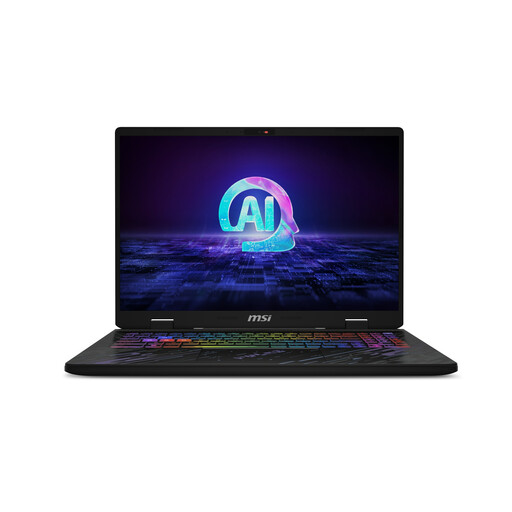
MSI Pulse 16 AI gaming laptop
The laptop format avoids finding floor or desk space for a separate tower, while giving you a built-in screen for replay review.
Its stated features include a 16-inch QHD+ 240Hz display, Core Ultra 7 155H, GeForce RTX 4060, 16GB DDR5 RAM and a 1TB SSD.
Confirm the exact model and installed configuration, including the laptop GPU setup, against your games and replay software.
View on Joybuy
 No image available
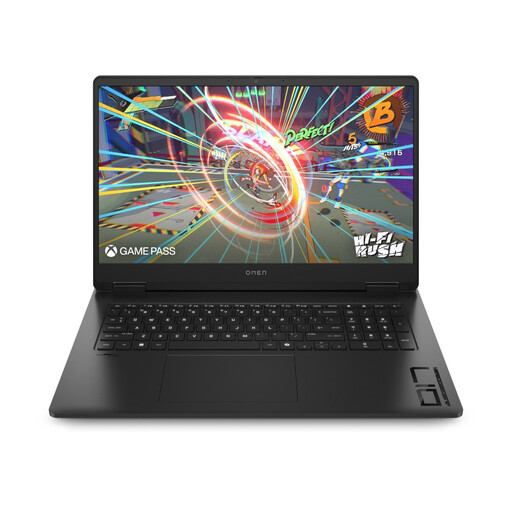
HP 17-db1000na OMEN 17 gaming laptop
Consider this laptop if you want a built-in display and have desk space for its larger screen.
The named configuration includes a 17-inch Full HD display, Ryzen AI 7 350, GeForce RTX 5060, 16GB RAM, a 1TB SSD and Windows 11 Home.
Measure the available desk surface and check your game and replay-tool requirements before relying on it for your chosen settings.
View on Joybuy
 No image available
CyberPowerPC JOYB1004 gaming PC bundle
This desktop bundle suits a fixed room setup if you also need the listed screen and peripherals, provided the whole arrangement fits your space.
It names a Ryzen 5 7500F, GeForce RTX 5060 8GB, 16GB DDR5, a 1TB NVMe SSD and Windows 11 Home, together with a monitor, keyboard, mouse, headset and mousepad.
Confirm the supplied monitor’s model and display characteristics, and allow room for the tower, screen, cables and ventilation.
View on Joybuy
Common questions
Is 16GB RAM enough for gaming and replay review?
It can be a starting point for general study and mainstream gaming, as in PCSpecialist’s student guidance, but it is not a guarantee for every replay workflow. Check the requirements of your game and replay software, especially if demanding course applications will run alongside them; PCSpecialist points to 32GB for more demanding use.
Should I choose a mini PC for a student room?
Choose a compact PC only if its exact graphics hardware and connections meet your gaming needs. CyberPowerPC UK lists small-form-factor configurations with dedicated RTX graphics, but case size alone says nothing about the GPU inside; also check ventilation clearance, display outputs and upgrade access.
What should I compare besides warranty length?
Compare the periods and conditions for parts, labour, collection and return on the exact desktop. Chillblast describes three years of parts-and-labour cover with collection and return, then two years of return-to-base labour; CyberPowerPC UK describes 12 months’ collect-and-return cover, two years’ parts cover and five years’ labour cover. Citizens Advice also notes legal rights for faulty, damaged or misdescribed goods, separate from a seller’s voluntary warranty.
What can I do with an old desktop or its cables?
Consider reuse, donation or an electrical-recycling route rather than ordinary waste. Recycle Your Electricals says items with a plug, battery or cable can be reused or recycled; check which route accepts your particular items locally.


