Dark-room couch co-op players
People sharing one screen who want to follow dim scenes, read the game interface from their seats and keep timed actions responsive.


For dark-room cooking co-op, choose a TV whose Game Mode and gaming connections suit the console or PC you will use; 4K at 120Hz and variable refresh rate (VRR) matter when the device and game support them. OLED offers deep blacks for dim scenes, while a Mini-LED TV with local dimming is another option to compare. If the same fixed game interface stays on screen for exceptionally long sessions, weigh OLED image-retention risk alongside screen size, seating and HDMI-port requirements.
People sharing one screen who want to follow dim scenes, read the game interface from their seats and keep timed actions responsive.
PS5, PS5 Pro or Xbox-class console users considering 4K at 120Hz and VRR where their console, game and chosen TV support those features.
People who also connect a gaming PC and may benefit from checking a TV’s 144Hz or 165Hz mode and adaptive-sync compatibility for that PC.
Start with control response and the connections your gaming device needs. Then check how the screen looks in your room, whether everyone can see it and how often a fixed game interface will remain on screen.
| Concern | What to check | Who this matters to |
|---|---|---|
| Responsive shared play | Check Game Mode, 4K/120Hz, VRR and which HDMI inputs support them for your console or PC. | When several people are timing hand-offs, delayed controls can disrupt the game; around 33% of consumers put responsiveness first. |
| Dark-room picture | Compare the exact model’s panel type and dark-scene performance in Game Mode, rather than assuming every OLED or Mini-LED TV looks alike. | Dim scenes make black levels and shadow detail more noticeable to me; around 27% of consumers place dark-room picture quality first. |
| Shared-screen fit | Measure viewing distance, available space and stand width; check sightlines from every seat. | If we share one sofa and screen, everyone needs to read orders and see their part of the action; roughly 27% of consumers prioritise shared-screen visibility. |
| Fixed-interface use | Consider how long the same game interface stays on screen and compare a non-OLED option if use is exceptionally repetitive. | I expect to replay one game with fixed scores and timers for very long sessions, so panel longevity shapes my choice; around 13% of consumers put this concern first. |
A 144Hz or 165Hz label does not mean every console game can use that mode. Samsung says its higher 4K refresh-rate modes require compatible PC-connected games.
For console-first play, check 4K/120Hz, VRR and the intended HDMI input. If you also use a PC, confirm the higher-rate mode against your graphics card and games.
Gaming features can depend on the input. For example, Sony lists VRR on HDMI ports 3 and 4 of its K-55XR80 BRAVIA 8; that port arrangement should not be assumed for other models.
Read the exact TV’s port specifications and plan where the console, PC and any soundbar will connect before buying.
OLED’s deep blacks do not remove the possibility of permanent image retention under extensive repeated exposure to fixed content. RTINGS’ August 2026 discussion identifies thousands of hours of the same fixed game interface as a use pattern worth considering.
If that sounds like your household, compare a non-OLED TV and follow the OLED manufacturer’s panel-care instructions. Occasional or varied play is not the same use pattern.
A large screen may need a suitable stand or mounting arrangement, and replacing an old TV may require a separate collection plan.
Check the seller’s installation and recycling arrangements for the exact TV and delivery address before arranging the room.
LG’s OLED gaming range is relevant if deep blacks in a dark room and gaming features are central to your choice.
Samsung’s OLED ranges give PC-and-console households models to compare for adaptive sync and refresh-rate support.
Sony BRAVIA is relevant to households planning a PlayStation setup and checking Game Mode, HDMI settings and port assignments.
These OLED and Mini-LED TVs offer different screen sizes to consider for shared dark-room gaming. Choose by your seating and installation space, then check the exact model’s gaming inputs against your console or PC; inclusion here does not establish that every game can use a TV’s stated refresh rate.
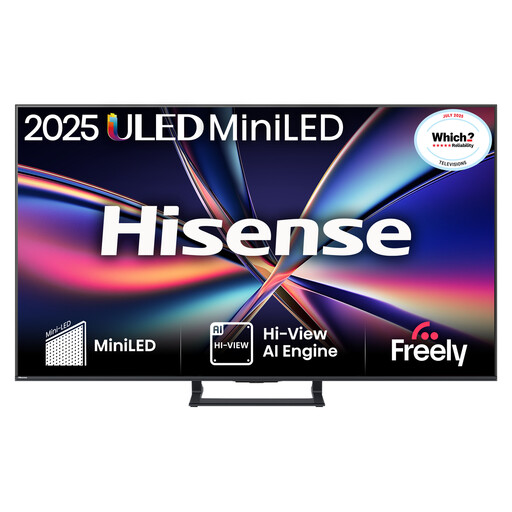 No image available
Consider this local-dimming Mini-LED option if you want to compare a non-OLED screen for dark-room co-op. Its title specifies a 144Hz Game Mode; check which input and source settings provide the mode you intend to use.
 No image available
Consider this OLED option if an 83-inch screen fits the room and remains readable from every co-op seat. Check the exact HDMI-port capabilities before relying on 4K/120Hz gaming, and weigh fixed-interface use when choosing OLED.
 No image available
The 55-inch OLED format is worth considering if dark-room picture quality matters and the screen fits your shared seating area. If you plan to connect a PC for high-refresh gaming, confirm whether the intended HDMI input supports the resolution and refresh rate you need together.
 No image available
This smaller OLED screen may suit a closer shared seating arrangement; check that all players can read the game interface at your viewing distance. Plan the console and soundbar connections using this model’s own HDMI-port layout, rather than specifications for another BRAVIA TV.
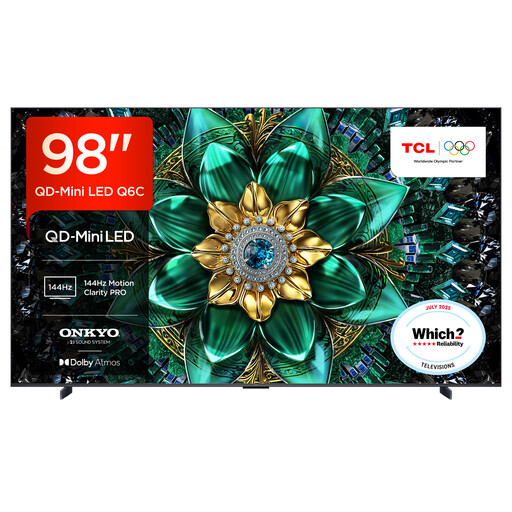 No image available
Consider this local-dimming, non-OLED option only after measuring the installation space and viewing distance for its 98-inch screen. Its title specifies a 144Hz native refresh rate; confirm the resolution, input and connected-device requirements for the mode you want to use.
Console gaming alone is not a licensing trigger listed by TV Licensing. In the UK, TV Licensing says you need to be covered if you watch or record live TV on any service, or watch or download BBC iPlayer, including when you use a games console for those activities.
The connected HDMI port or device settings may need changing, provided the TV, source and game support the feature. Check the cable and console output settings against the exact model’s port specifications; Sony’s BRAVIA setup guidance also instructs users to enable Enhanced Format on the connected port and VRR where supported.
Not automatically: the relevant question is how long and how repeatedly the same fixed elements remain on screen. RTINGS’ August 2026 discussion identifies permanent image retention as a consideration for exceptionally extensive fixed-interface use, so compare a non-OLED TV if that describes your routine.
Ask the retailer about its take-back or collection arrangements before delivery. GOV.UK says retailers must offer take-back of waste electrical equipment of the same type as the item bought; confirm with the seller how that applies to your old TV and whether collection from your address is offered.