Aim-first tactical player
You mainly want a mouse that feels manageable through flicks, small corrections and repeated lifts, without needing many mouse-side commands.


Start with a mouse shape you can grip and lift comfortably: RTINGS.com identifies fit, low weight and low latency as important considerations for FPS play. For tactical games, a simple, light mouse makes sense when aiming is your priority, while extra controls are worth considering if you regularly use mouse-side binds; check wireless battery life at the polling setting you intend to use.
You mainly want a mouse that feels manageable through flicks, small corrections and repeated lifts, without needing many mouse-side commands.
You need to work out how the mouse supports your preferred grip and hand contact. Its shape matters more to your choice than a headline polling-rate figure.
You regularly assign commands to the mouse and are willing to check whether extra side controls remain comfortable during tactical aiming.
Check grip and shape first, then decide whether lighter movement, wireless settings or reachable extra buttons will make the greater difference to how you play.
| Concern | What to check | Who this matters to |
|---|---|---|
| Shape and grip | Compare the exact model’s dimensions, side contours and handedness with your grip and lifting style. | If repeated lifts unsettle my grip, I want a shape I can hold consistently through aim corrections. Roughly 42% of consumers put grip fit first. |
| Movement and response | Compare stated weight and wireless modes, then check battery life at the polling rate you plan to use. | When I make frequent flicks, I want light movement and dependable inputs without choosing a polling mode I cannot sustain. Around 33% of consumers primarily favour movement and responsiveness. |
| Controls and endurance | Count the buttons you would bind, test thumb access and compare runtime for your connection mode. | If I use several regular commands, I need controls I can reach without shifting my grip, as well as manageable charging. About 25% of consumers put binds and wireless endurance first. |
A high figure cannot tell you whether the mouse sits comfortably in your hand. RTINGS.com highlights low weight and latency for FPS mice, while grip fit remains a separate choice.
Compare shape and hand contact before deciding which sensor and polling options matter to you.
Razer rates the Viper V4 Pro for up to 45 hours at 8,000 Hz, compared with up to 180 hours at 1,000 Hz. These are manufacturer figures for that model, not a promise for another mouse.
Check the runtime stated for the exact model and polling mode you expect to use.
A shorter runtime may mean charging more often.
The SteelSeries Aerox 5 Wireless has a five-button side panel. That offers bind options, but you still need to be able to reach them without changing how you hold the mouse.
List the commands you use regularly and check their positions against your thumb placement.
ZOWIE’s UK U2-DW page has labelled that particular model discontinued and out of stock. A similarly named mouse should not be assumed to have the same shape or receiver.
Confirm the exact model and current listing before making its specifications part of your decision.
Its PRO X SUPERLIGHT 2 is a reference point for a light wireless mouse with a relatively simple, competition-oriented layout.
The Viper V4 Pro illustrates a lightweight, right-handed symmetrical wireless option.
Its range gives shape and grip style a prominent role in choosing an esports mouse.
The Aerox 5 Wireless is worth comparing when regular mouse-side commands matter alongside tactical play.
These options cover light symmetrical mice, a right-handed ergonomic mouse and models with additional connection or control choices. Compare each mouse’s shape and settings with the way you actually play.
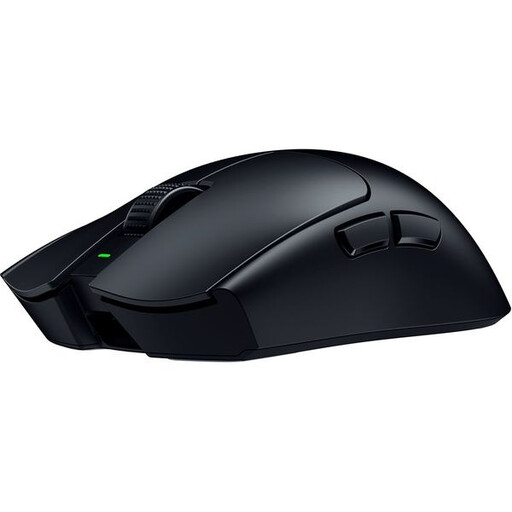 No image available
Consider this for aim-focused play if a light wireless mouse suits your grip.
The title specifies 54 g, a Focus Pro 35K Sensor Gen-2 and HyperPolling up to 8 kHz.
Check the shape and battery runtime at your intended polling setting before choosing it.
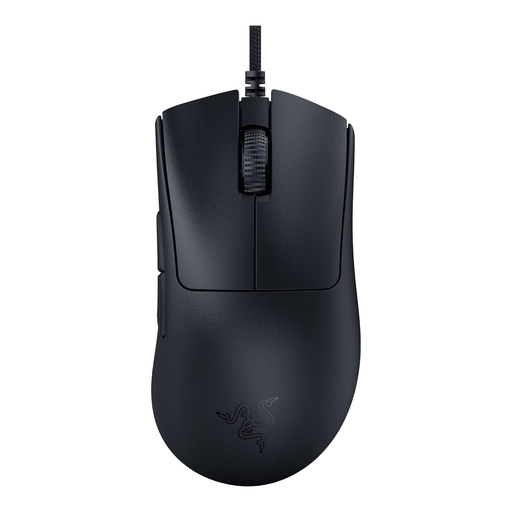 No image available
Consider its ergonomic shape if you prefer more right-hand support than a symmetrical body provides.
Check its dimensions against your grip and confirm that its wired connection suits your desk setup.
 No image available
This is an option if you regularly use several mouse binds but still want to assess a light wireless design.
The title specifies 53 g, up to 8 kHz wireless polling and 10 programmable buttons.
Check side-button placement for your grip. Its stated maximum battery runtime applies at 1,000 Hz with the latest driver needed for low-power mode; check endurance at any other setting you intend to use.
 No image available
Consider this if a light mouse and the stated charging-base bundle appeal to you.
The title specifies 56 g, a PAW3950 sensor, up to 8 kHz polling, a colour screen and 2.4 GHz or wired use.
Confirm the DPI specification if it matters to your settings, and check the button layout and dimensions against your grip.
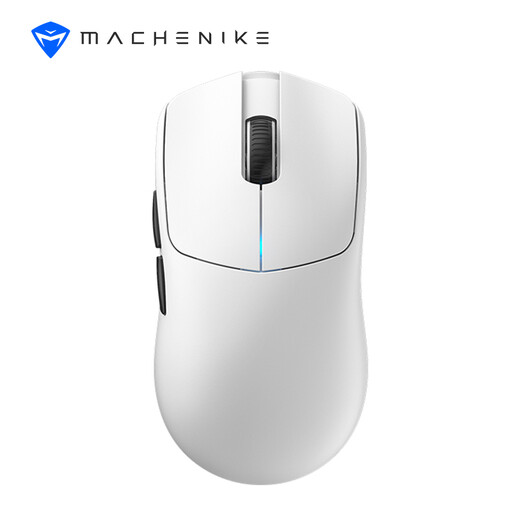 No image available
Consider this if low stated weight and a choice of connection modes matter more than extra mouse-side binds.
The title specifies 49 g, a PAW3395 sensor, dual 8K and wired, 2.4 GHz and Bluetooth modes.
Check its dimensions, button layout and battery runtime at the polling setting you expect to use.
No: the highest available polling mode is not a requirement for choosing a tactical gaming mouse. Start with grip fit and the response characteristics that matter to you, then weigh battery life against the mode you plan to use. Razer rates its Viper V4 Pro for up to 45 hours at 8,000 Hz and up to 180 hours at 1,000 Hz; check the equivalent figures for the exact mouse you are considering.
Follow the instructions for your exact mouse and keep its receiver within the stated effective range, away from sources of interference. ZOWIE gives that guidance for the U2-DW in its UK quick-start guide; do not assume another model has identical placement requirements.
For an ordinary online purchase in Great Britain, GOV.UK says consumers can notify the seller that they wish to cancel within 14 days of receiving the item. Check the seller’s return instructions and handle the mouse carefully while assessing its shape. A faulty or misdescribed mouse raises a separate issue from a change-of-mind return.