Single-screen cockpit racers
If you drive on one monitor, you can focus on the requirements of your chosen simulator and screen without planning a three-display installation. Check where the PC and wheel cables will sit before settling on a case.


Choose your display setup before choosing the PC. One monitor keeps placement and cabling simpler; three monitors need enough cockpit width and suitable graphics-card outputs, while VR adds headset and connection requirements. For iRacing at high graphics settings, iRacing specifies an 8-core CPU, at least 32 GB of RAM and a dedicated GPU with at least 8 GB of memory, but those component levels do not guarantee performance in another simulator or display setup.
If you drive on one monitor, you can focus on the requirements of your chosen simulator and screen without planning a three-display installation. Check where the PC and wheel cables will sit before settling on a case.
If you are planning three monitors, the screens, graphics-card connections, cable runs and cockpit width need to work together. iRacing documents more than one way to configure a three-monitor view, so allow for software setup as well as physical space.
A headset can avoid a wide monitor installation, but the PC must meet the requirements of the particular headset and simulator. Meta Quest users also need to plan for the appropriate wired connection or wireless network.
Choose between one screen, three screens and VR before comparing component lists. Then measure the PC location and check the connections your wheel, displays or headset will need.
Choose when: One display gives you the view you want and a simpler cockpit layout matters.
Trade-off: You avoid the width and extra display cables of three monitors, but do not gain their wider view.
Choose when: Side visibility matters enough to accommodate three displays around the cockpit.
Trade-off: The wider layout needs more space and a deliberate display setup; iRacing describes both a spanning window and a combined display created through graphics-driver software.
Choose when: You would rather use a headset than make room for a wide monitor installation.
Trade-off: Headset compatibility and the wired or wireless connection become part of the PC choice; suitability for one-monitor racing does not establish VR suitability.
| Concern | What to check | Who this matters to |
|---|---|---|
| Sim-racing performance | Compare the exact CPU, RAM and dedicated GPU with your simulator’s requirements at the settings you intend to use. iRacing’s high-end guidance specifies an 8-core CPU, at least 32 GB of RAM and a GPU with at least 8 GB of dedicated memory. | If higher-detail racing sessions are my priority, I want to choose components against the sim I will actually run, rather than its minimum start-up requirements. Around 38% of consumers put that performance need first. |
| Placement and connections | Measure the PC location and ventilation space; check access to wheel and pedal connections and the exact display or headset ports. | With little room beside my rig, I need the PC and cables to fit without obstructing access to the controls. For around 25% of consumers, workable placement and connectivity come first. |
| Three screens or VR | Check cockpit width and discrete-GPU outputs for three monitors, or the particular headset’s PC and connection requirements for VR. | I want a wider view or a headset, but need to decide which arrangement suits the space and how I prefer to drive. Around 25% of consumers prioritise that display choice. |
| Pre-built support | Read the exact system warranty and support terms, and check whether an online order is standard stock or a customised build. | When buying a ready-built PC, I want to know how support works and what happens if the configuration is wrong for my cockpit. For around 12% of consumers, that purchase support is the primary concern. |
A PC that starts a simulator is not necessarily suited to the graphics settings or display arrangement you intend to use. iRacing distinguishes its minimum requirements from its substantially higher guidance for high settings.
Write down the simulator, intended settings, monitor arrangement and any headset model before comparing PCs. Check the relevant game and headset requirements rather than relying on a general gaming label.
Choosing for minimum settings may mean an earlier component or whole-PC upgrade if your intended setup needs more capability.
iRacing’s three-monitor guidance describes a spanning window or a graphics-driver-created combined display. It also calls for the monitors to be connected to the discrete GPU, not motherboard video outputs.
Check the exact graphics card’s outputs against all three monitor inputs, then plan cable lengths and cockpit width before ordering.
Changing the layout later may require different cables, adapters or monitor-arm positions.
A smaller case does not by itself resolve ventilation, rear-port access or cable-routing problems. A tower placed outside the rig may be easier to reach than a smaller PC tucked beside the pedals.
Measure the intended PC location and the space needed for ventilation and cable bends. Compare those measurements with the exact model’s chassis dimensions and port positions.
For UK distance purchases, change-of-mind cancellation and remedies for faulty or misdescribed goods are different questions. GOV.UK identifies exceptions to ordinary cancellation rights for some custom-made goods; an exception does not remove remedies for faults.
Before ordering, check whether the PC is standard stock or made to your specification, and retain the configuration, warranty and returns terms for that order.
Scan offers pre-built and configurable gaming PCs, including configurations that can be compared with a single-screen or planned multi-display cockpit.
Overclockers UK sells pre-built gaming desktops, including its Ryzen 5 7500X3D and RTX 5070 Mach 3.2 configuration.
Chillblast offers custom and pre-built gaming PCs and has a racing-sim PC category.
These gaming desktops and laptops offer different ways to place a PC alongside a compact cockpit. Check each model against your chosen simulator, available space and monitor or headset connections; the component names alone do not establish performance for a particular setup.
 No image available
Consider this 16-inch laptop if you would rather position a laptop than a tower near the cockpit; check its external display and peripheral connections for your setup.
Intel Core Ultra 9, 64 GB RAM, 2 TB SSD, NVIDIA GeForce RTX 5090 and Windows 11 Home. Confirm physical fit and your simulator’s requirements before choosing it.
 No image available
This pre-built desktop is an option if you have a place for a tower near the cockpit; measure that space and confirm the graphics-card outputs before planning multiple monitors.
Intel Core Ultra 7 265KF, NVIDIA GeForce RTX 5070 with 12 GB of memory, 32 GB DDR5, 1 TB NVMe SSD and Windows 11 Home. These components do not establish a frame rate for your chosen sim.
 No image available
Consider this tower where you can give the PC its own accessible location; check its dimensions and discrete-GPU display outputs against the cockpit plan.
Intel Core Ultra 7 265K, 32 GB RAM, 1 TB SSD, RTX 5070 Ti and Windows 11 Home. Check your simulator’s requirements separately.
 No image available
This desktop needs a measured position near or outside the rig; confirm its physical clearance and which video ports belong to the discrete GPU before arranging multiple displays.
Intel Core i7, 32 GB RAM, 2 TB SSD, RTX5080 and Windows 11. Check performance requirements for your intended simulator and settings.
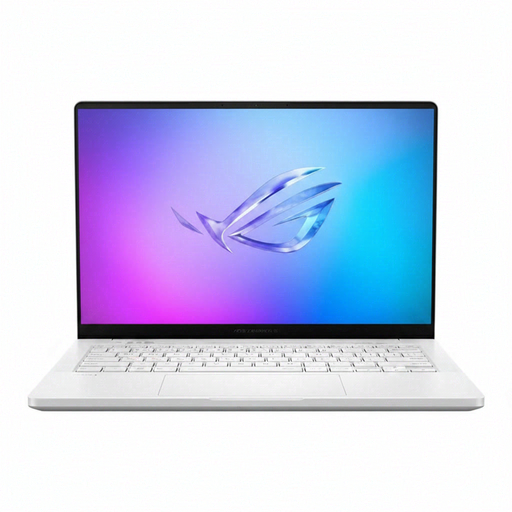 No image available
The 14-inch laptop format is worth considering if a separate tower is awkward to place; confirm its external display, wheel and headset connections before choosing a cockpit layout.
AMD Ryzen AI 9 HX 370, 32 GB LPDDR5x-SDRAM, 2 TB SSD, NVIDIA GeForce RTX 5070 Ti, Wi-Fi 7 and Windows 11 Home. The title identifies a WQXGA+ display and German Grey finish; check the exact variant against your needs.
Not necessarily if you want higher graphics settings, three monitors or VR. iRacing says its minimum specification produces minimum graphics in test mode; for high settings, its guidance specifies an 8-core CPU, at least 32 GB of RAM and a dedicated GPU with at least 8 GB of memory. Check the requirements of every simulator and display setup you intend to use.
Yes. iRacing documents a window spanning three monitors and a combined-display method provided through graphics-driver software, such as NVIDIA Surround or AMD Eyefinity. Connect the screens to the discrete GPU and check that its outputs match your monitors before buying the PC.
Check the particular headset’s current PC requirements and choose a wired or wireless connection before selecting the PC. Meta’s connection guidance calls for a compatible Windows PC; Air Link preferably uses a 5 GHz Wi-Fi network, while wired Link needs a suitable USB connection and cable.
Not always. GOV.UK distinguishes ordinary change-of-mind cancellation for distance purchases from exceptions that can apply to custom-made goods. Check how the seller classifies the exact configuration before ordering; cancellation exceptions do not remove separate remedies for goods that are faulty or misdescribed.