Sofa-side multiplayer hosts
If players regularly sit to either side of the screen, check how the picture holds up away from the centre seat. RTINGS identifies viewing angle as important for wide seating arrangements.


For split-screen racing, choose around the seats players will actually use: independently tested off-centre picture quality matters when players spread across a sofa, while low input lag matters for responsive steering. If you use a compatible PS5 game, check the TV’s 4K 120Hz support, variable refresh rate (VRR), automatic low-latency mode (ALLM) and the HDMI input needed for those features; a higher advertised refresh rate alone does not establish how the game will run.
If players regularly sit to either side of the screen, check how the picture holds up away from the centre seat. RTINGS identifies viewing angle as important for wide seating arrangements.
If steering response is your priority, compare input-lag measurements in the mode you intend to use. For compatible PS5 games, check the connected TV’s 120Hz output and gaming features rather than relying on its maximum refresh-rate claim.
If you play near windows or lamps, assess reflections from your usual seats. Check glare-related claims for the exact TV model alongside the gaming features you need.
Start with seating positions, then check responsiveness in your intended game mode and whether room lighting makes reflections distracting.
| Concern | What to check | Who this matters to |
|---|---|---|
| Off-centre picture | Check an independent horizontal viewing-angle test for the exact model and map where players will sit. | When friends spread across the sofa, I need each player to see a usable picture rather than judging the TV only from the middle seat. Around 44% of consumers put off-centre picture consistency first. |
| Responsive racing | Compare measured input lag at the resolution and refresh rate you plan to use; confirm compatible game, device and HDMI modes. | If steering feels delayed, a headline refresh rate will not answer my main concern. For around 33% of consumers, responsive play is the primary need. |
| Bright-room visibility | Assess reflections in your room and compare glare handling under comparable test conditions. | Daytime light or a lamp reflected in the screen can distract me from my smaller split-screen view. Bright-room visibility comes first for around 23% of consumers. |
A TV’s maximum refresh rate does not establish its input lag or the output supported by a particular console game. PlayStation says PS5 120Hz output requires a game and display that support it.
Compare input lag at the mode you expect to use, then check the connected console’s video-output information and the game’s modes.
Players at the ends of a wide sofa may see a different picture from the person sitting directly in front. RTINGS recommends paying attention to viewing angles for wide seating arrangements.
Map the usual seats before choosing a size, and consult an independent viewing-angle test for the exact model.
Port assignment can affect a setup with a console and soundbar. Sony specifies VRR on HDMI 3 and 4 for the BRAVIA 8 II K-55XR8M2.
Check the exact model’s port specifications and plan where each device will connect before ordering.
LG’s UK OLED evo C6 and G6 lines are relevant when you are comparing OLED TVs for a shared seating area and gaming setup.
Samsung’s S90H OLED line is a reference point for consumers considering PC refresh-rate support alongside bright-room viewing.
Sony’s BRAVIA 8 II offers a console-focused specification to examine if 4K 120Hz support is more relevant to you than PC refresh rates above 120Hz.
These TVs offer different screen sizes and gaming features to check against your seating layout, room lighting and source device. In particular, keep the TCL V6C’s FHD 120Hz Game Accelerator distinct from a confirmed 4K 120Hz mode.
 No image available
Consider this 55-inch OLED model if you play in a bright room, but check its reflection handling from your usual seats. Confirm the gaming mode and HDMI input needed for your console or PC rather than treating the listed refresh-rate features as a measured result.
 No image available
Its 83-inch screen may suit a group seated farther from the TV, provided the size works in your room. Check independent off-centre viewing results and the exact HDMI gaming modes before relying on it for players at opposite ends of a sofa.
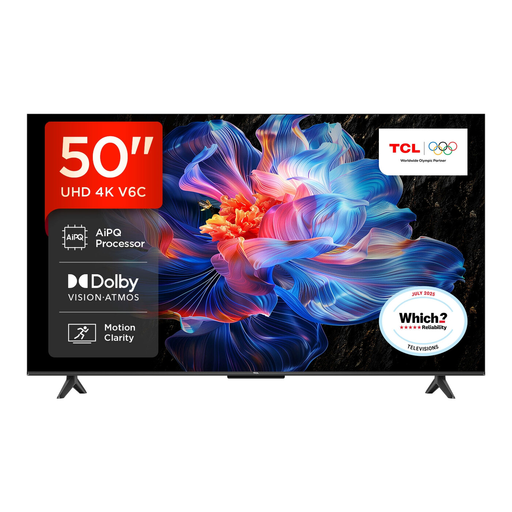 No image available
Consider the 50-inch size if it fits your seating arrangement. The named 120Hz Game Accelerator is specified for FHD, so do not treat it as confirmation of 4K 120Hz; check the modes needed by your console and how the picture looks from side seats.
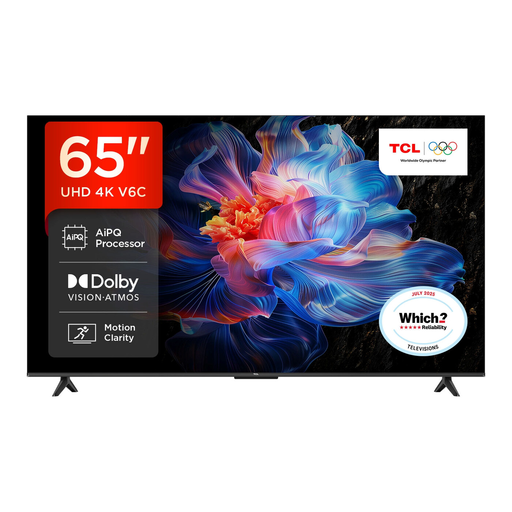 No image available
For players sharing a larger screen, check whether the 65-inch size and viewing angles work from every regular seat. Its named 120Hz Game Accelerator applies to FHD; confirm your intended resolution, refresh rate and HDMI mode separately.
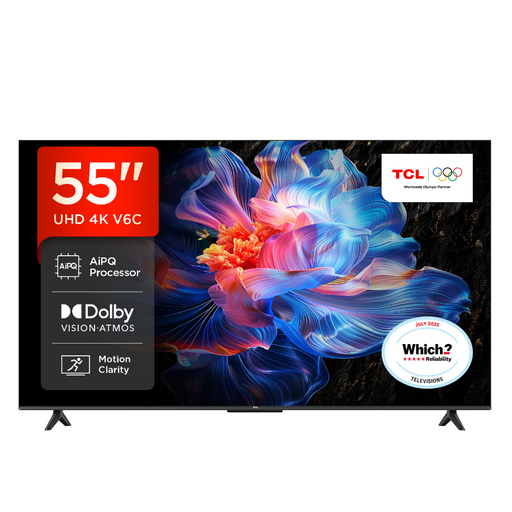 No image available
This 55-inch variant offers another size to compare against your sofa layout. Its named 120Hz Game Accelerator is an FHD feature, not confirmation of 4K 120Hz; check off-centre picture quality and the HDMI modes your gaming device requires.
No: a 165Hz maximum is not required to use PS5’s 120Hz output. PlayStation says 120Hz output applies when the game and display support it, so check the game’s modes and the console’s video-output information after connecting the TV. A higher maximum refresh rate may be relevant if you also use a capable gaming PC.
Check the exact TV and HDMI input for the resolution and refresh rate you want, plus VRR and ALLM compatibility. PlayStation’s video-output information can help you confirm what the connected display reports; compare input-lag measurements for the mode you will actually use.
Not necessarily: port capabilities depend on the TV model. Sony’s UK specification for the BRAVIA 8 II K-55XR8M2 lists VRR on HDMI 3 and 4, so check the exact model’s port table before assigning connections to a console, soundbar and other devices.