
24/7 Customer Support

Free returns

Same-day & Next-day Delivery

Quality Guaranteed

Unlock Your Welcome Offers: FREE Delivery | Up to 80% OFF | Free 30-day JoyPlus trial
Download the APP
A sturdy garden fork is one of the most essential tools for any UK gardener. Whether you're breaking up compacted clay soil, turning compost or carefully weeding between prized perennials, the right fork makes the job significantly easier. However, with terms like digging fork, border fork and various materials to consider, choosing the correct one can be confusing.
This guide is designed to help you understand the key differences between various types of garden forks and identify the features that matter most for your specific gardening needs. We'll look at different models suited for everything from heavy-duty allotment work to delicate tasks in smaller garden beds.
Before looking at specific products, it's helpful to understand what makes a good garden fork. Consider these points to ensure you find a tool that works for you.
Not all forks are created equal. The three main types you'll encounter are designed for very different jobs:
digging fork typically has four thick, strong tines designed for breaking up, lifting and turning over compacted or heavy soil. It's the tool you need for preparing new beds, aerating the ground and harvesting root vegetables. Look for a heavy duty garden fork for particularly tough, clay-based soils.border fork is a smaller, lighter version of the digging fork. It's designed for working in more confined spaces, such as established flower borders or between rows of vegetables where a larger fork could cause damage to plant roots.hand fork is a small, handheld tool, often called a weeding fork. With three or four sharp tines, it's perfect for close-up tasks like removing stubborn weeds with their roots intact, aerating soil in pots and planting bulbs or seedlings.The material of both the head and the handle significantly impacts the fork's performance and longevity.
Here are some of our recommendations, selected to cover a range of common gardening tasks and preferences.
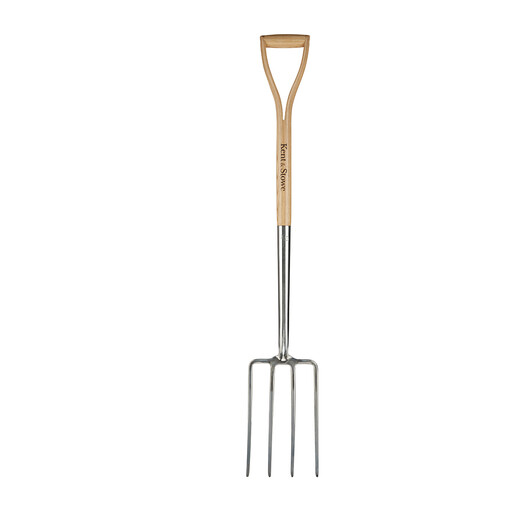
Why It Stands Out: This fork combines classic aesthetics with robust construction. The stainless steel head is highly resistant to rust and soil doesn't cling to it, making for easy cleaning. Its extended shank and double-riveted socket provide extra strength where the head meets the FSC-certified ash wood handle, making it a reliable tool for demanding jobs.
Pros:
Who is it for? Gardeners looking for a durable, high-performance digging fork with a traditional design, ideal for turning over soil in vegetable patches or large beds.
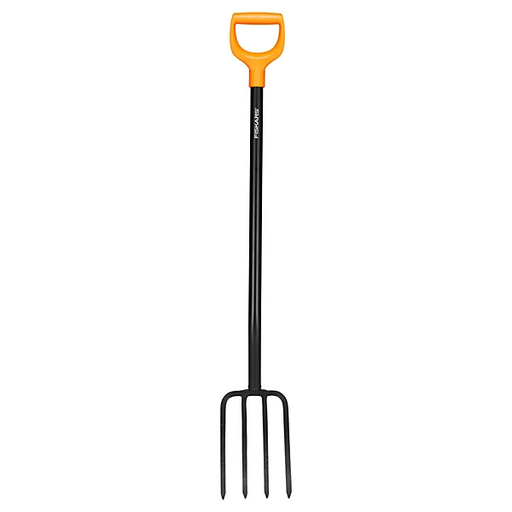
Why It Stands Out: The Fiskars Garden Fork is built for power and durability. Its head is made from boron steel, a material known for its exceptional strength, allowing it to penetrate tough, compacted soil with less effort. The large, D-shaped handle is designed to fit hands of all sizes, offering comfort and control during strenuous tasks.
Pros:
Who is it for? Those who need a very strong and ergonomic heavy duty garden fork for tackling challenging soil conditions without compromising on comfort.
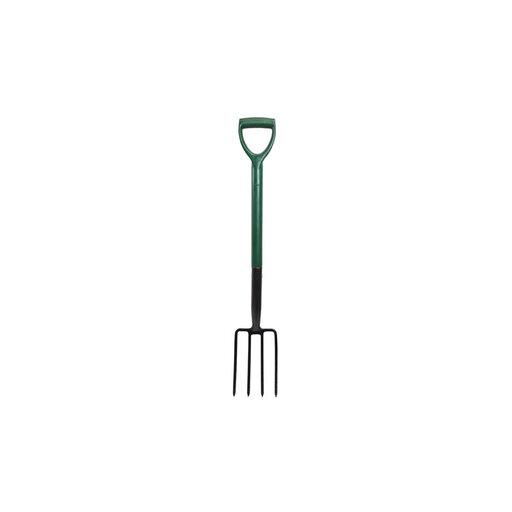
Why It Stands Out: This border fork is specifically designed for precision work. Its smaller head, made from heat-treated carbon steel, allows you to work in tight spaces between plants without causing damage. The powder-coated finish provides resistance to rust and scratches, while the lightweight tubular steel handle makes it easy to manoeuvre.
Pros:
Who is it for? Gardeners who need a lighter, more nimble tool for maintaining established flower beds and working in confined areas.
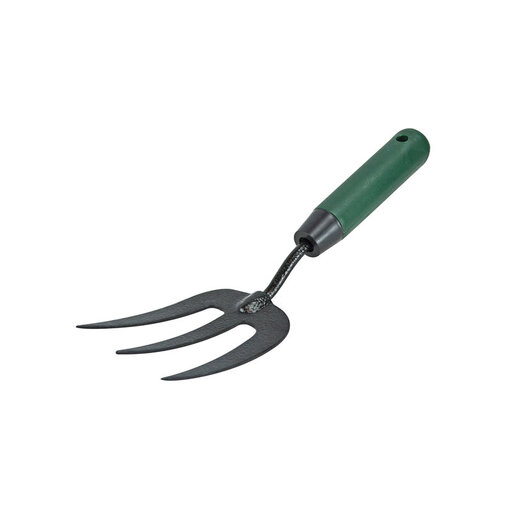
Why It Stands Out: An indispensable tool for any gardener, this hand fork is perfect for detailed work. Its sharp, pointed tines are excellent for removing weeds, roots and all. The head is made from heat-treated carbon steel for durability, and the comfortable plastic handle allows for precise control when planting, transplanting or aerating soil in pots and containers.
Pros:
Who is it for? All gardeners, from beginners to experienced, who need a reliable tool for weeding, planting and general maintenance in pots, containers and garden beds.
If you haven't found the exact tool for your garden in these recommendations, there are many other specialised options available.
? Explore our full range of Metal Forks on Joybuy to find the perfect match for your gardening style.
1. What is the difference between a garden fork and a pitchfork? A garden fork (or digging fork) has thick, strong and relatively short tines designed for penetrating and turning soil. A pitchfork has longer, thinner and more widely spaced tines designed for lifting and moving light materials like hay, straw or compost, not for digging in the ground.
2. Is a stainless steel or carbon steel garden fork better? Both have their merits. A stainless steel garden fork is excellent for its rust resistance and how easily it cleans, making it a great choice for damp UK climates. A carbon steel fork is typically very strong and can be more affordable, but it requires a protective coating and should be kept dry to prevent rust.
3. How should I maintain my garden fork? To prolong the life of your fork, always clean off soil and debris after each use. For carbon steel tools, wiping them with an oily rag can help prevent rust. Store your fork in a dry place, such as a shed or garage, away from the elements. Regularly check that the handle and head are secure.