
24/7 Customer Support

Free returns

Same-day & Next-day Delivery

Quality Guaranteed

Unlock Your Welcome Offers: FREE Delivery | Up to 80% OFF | Free 30-day JoyPlus trial
Download the APP
Creating a personal sanctuary in your garden, patio or balcony is about finding that perfect spot to unwind. The right garden lounger can transform an unused corner into your go-to place for reading a book, enjoying a cool drink or simply soaking up the sun. However, with so many styles available—from classic sun loungers to contemporary reclining chairs—choosing the right one can feel overwhelming.
This guide is designed to help you navigate the options. We will explore key features to consider before buying and present a few recommendations that cater to different tastes and spaces, helping you find a comfortable and durable addition to your outdoor living area.
Making a good choice comes down to considering your space, your style and how you plan to use your lounger. Here are a few practical points to keep in mind.
The British weather is nothing if not unpredictable, so material choice is crucial. Traditional wooden garden furniture, such as items made from acacia or teak, offers a timeless look and natural resilience, though it may require occasional treatment with oil to maintain its finish. For a lower-maintenance option, modern materials like high-density polyethylene (HDPE) create a waterproof outdoor chair that resists fading, cracking and splintering. Metal frames, often powder-coated for extra protection, provide a sturdy base for fabric loungers or a hammock with stand.
Consider how you want to relax. A reclining garden chair offers the flexibility to sit upright or lie flat, making it a versatile choice for both reading and sunbathing. If space is at a premium, foldable garden seating is an excellent solution, allowing for easy storage during winter or when you need to free up your patio. For those seeking pure, suspended comfort, a freestanding hammock provides a unique relaxation experience without the need for perfectly spaced trees.
Beyond the basic structure, look for features that enhance comfort. Padded cushions, adjustable headrests and ergonomic shapes can make a significant difference. Some designs, like the modern Adirondack chair, incorporate thoughtful extras such as built-in cup holders, adding a layer of convenience to your downtime.
Here are a few distinct types of garden loungers, each offering a different approach to outdoor relaxation.
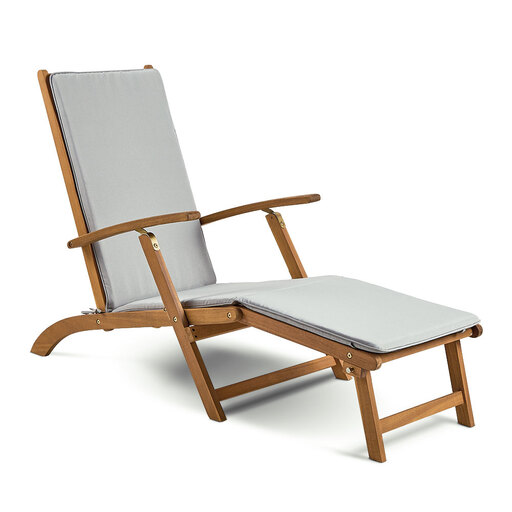
Why It Stands Out: This model combines the classic elegance of a steamer chair with practical, modern features. The frame is constructed from acacia hardwood with a rich, oiled finish, offering both durability and a traditional aesthetic that complements any garden.
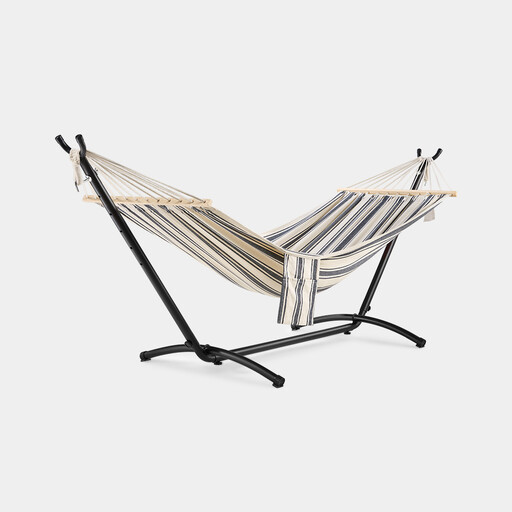
Why It Stands Out: This freestanding hammock brings a touch of laid-back, holiday style to your outdoor space. Because it comes with its own sturdy steel frame, you can set it up on a patio, terrace or lawn without needing any anchor points.
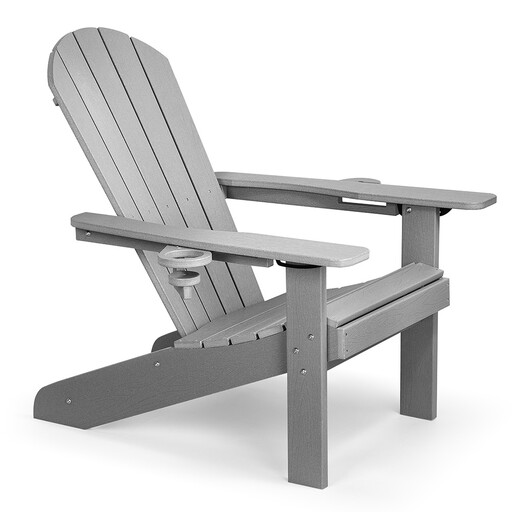
Why It Stands Out: This chair updates the iconic Adirondack chair design with modern materials and convenience. Made from durable HDPE (high-density polyethylene), it offers the look of painted wood without the associated maintenance.
If the loungers featured here aren't quite the right fit, or if you're searching for larger sets or different styles, there are many other possibilities to explore. From compact bistro sets to full outdoor sofa arrangements, finding the perfect piece is key to enjoying your garden to its fullest.
Discover a wider selection in our full collection of durable garden furniture.
1. What is the most durable material for garden loungers? Durability often depends on the material and its treatment. Powder-coated steel and aluminium frames are strong and resist rust. HDPE (high-density polyethylene) is an exceptionally durable plastic that won't rot, splinter or fade. Hardwoods like teak and acacia are naturally robust and weather-resistant, especially when treated annually with a suitable oil.
2. How should I store my garden lounger during winter? To prolong the life of your outdoor furniture, it's advisable to store it in a dry place like a shed or garage during the harsh winter months. If storage space is limited, a foldable garden seating option is very practical. Alternatively, use a heavy-duty, waterproof cover to protect it from rain, frost and debris.
3. Can I leave my sun lounger cushions outside? Most outdoor cushions are designed to be shower-resistant, but they are not fully waterproof. A sudden downpour is usually fine, but leaving them out for extended periods of rain will cause them to become saturated and can lead to mildew. It is always best to store cushions indoors or in a waterproof storage box when not in use.