Hosts serving straight apple juice
Choose a product labelled 100% apple juice if that is what guests expect. Check its sugars per serving and whether bottles need refrigeration before and during the party.


Serve 100% apple juice if guests expect straight fruit juice and you can follow its storage instructions. If sugars per serving and a self-serve drinks station matter more, compare no-added-sugar juice drinks and diluted squash instead; check their sweeteners, allergens and serving directions. “No added sugar” does not mean sugar-free: the NHS notes that sugars in unsweetened fruit juice still count as free sugars.
Choose a product labelled 100% apple juice if that is what guests expect. Check its sugars per serving and whether bottles need refrigeration before and during the party.
Compare the nutrition panels of pure juice and juice drinks using the same serving size. A juice drink may contain water, fruit juice from concentrate and sweeteners rather than 100% juice.
Consider how guests will pour or mix their drinks, then check portion sizes, dilution instructions and ingredient labels. This matters particularly when a product contains sweeteners or a declared allergen.
Decide whether the table needs straight juice, a ready-to-pour juice drink or a squash to mix with water. Then compare labels using the amount you intend to serve.
| Priority | What to check | Your needs |
|---|---|---|
| Sugars per glass | Read “of which sugars” per 100ml and per intended serving. The Tesco listing gives 3.1g per 150ml for its juice drink; the Tropicana listing gives 10g per 100ml for its 100% apple juice. The NHS says sugars in unsweetened fruit juice count as free sugars. | I want to know what is in the glass, rather than relying on a “no added sugar” claim. |
| Drink type | Check the fruit-juice percentage and ingredients. Tesco lists 20% apple juice from concentrate and sucralose in its juice drink; Tropicana describes Orchard Apple as 100% pressed juice. | If guests expect straight apple juice, I want the label to say 100% juice. For a juice drink, I would check whether the sweeteners suit the group. |
| Serving and storage | Check the unopened and opened-pack storage directions, bottle or carton size, and the number of glasses you plan to pour. Follow the pack’s instructions once drinks are on the table. | Fridge space and self-service matter to me; I need a format I can store and serve as directed. |
| Squash ingredients | Check dilution directions, sweeteners, allergens and age-suitability statements. Marks & Spencer lists sucralose and sulphites in its Apple and Elderflower High Juice and says it is not suitable for babies. | I want a jug option, but guests should be able to tell that it is diluted squash rather than straight apple juice. |
Tropicana’s no-sugar-added Orchard Apple lists 10g sugars per 100ml. The NHS says naturally occurring sugars in unsweetened fruit juice still count as free sugars.
Compare the sugars figure for the portion you will serve, as well as the wording on the front of the pack.
Tesco’s and Sainsbury’s no-added-sugar options are juice drinks made with water, fruit juice from concentrate and sweeteners, not 100% apple juice.
Label the drinks clearly at the serving table if you offer both types.
A bottle that must be kept refrigerated needs space before serving and must be handled according to its label after opening.
Check the current pack directions and availability before deciding how many bottles to buy.
Some no-added-sugar alternatives contain sweeteners. Marks & Spencer’s Apple and Elderflower High Juice also lists sulphites and is stated to be unsuitable for babies.
Read each current pack’s ingredient and allergen information before putting it on a self-serve table.
These examples illustrate different drink types; check the particular product label rather than assuming every drink from a brand has the same formulation.
Orchard Apple is a straight-juice example for hosts serving 100% apple juice.
The 900ml Cloudy Apple Juice is another straight-juice format to consider when a smaller bottle suits the table.
Its No Added Sugar Apple Juice Drink is a ready-to-pour juice drink rather than straight juice.
Its No Added Sugar Apple & Pear Juice Drink offers an apple-and-pear option for a ready-to-pour drinks table.
Apple and Elderflower High Juice is a squash option for guests to mix with water, rather than a direct-pour apple juice.
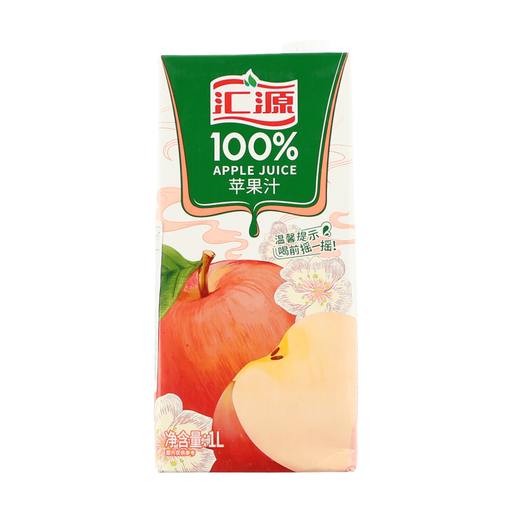
This 1L apple juice is an option to examine if you plan to pour juice directly rather than mix a squash. Check its current label for no-added-sugar wording, sugars and storage directions before choosing it for the party.
 No image available
The 1L bottle is a direct-pour option for the drinks table. Check the current pack’s sugars per 100ml and its storage instructions, particularly for after opening.
No. Naturally occurring sugars can still be present: Tesco’s listing for Tropicana Orchard Apple describes it as having no sugar added but lists 10g sugars per 100ml. The NHS also counts sugars in unsweetened fruit juice as free sugars, so compare the nutrition panel for the amount you plan to pour.
Choose a product labelled 100% juice when guests expect straight apple juice. If sugars per serving are the deciding factor, compare labels at the same serving size: the Tesco and Sainsbury’s juice drinks listed here contain water, fruit juice from concentrate and sweeteners rather than being pure juice.
They give each guest a defined portion without pouring from a shared bottle. Tesco lists Tropicana Kids Pressed Apple Juice in four 150ml cartons; check its label for sugars and storage directions just as you would for a larger bottle.
Follow the directions for the particular bottle rather than assuming it can remain unrefrigerated. The Tesco listings for Tropicana Orchard Apple and Copella Cloudy Apple say to keep them refrigerated; check the current pack’s instructions when arranging outdoor service.
Check how to dilute it and read the current ingredient, allergen and age-suitability information. Marks & Spencer’s Apple and Elderflower High Juice lists sulphites and sucralose, and Marks & Spencer states that it is not suitable for babies.