Who is each serving format for?
Shared jugs make dilution and the number of prepared servings important; individual cans make pack quantity and the drink’s own label more relevant.
Hosts serving drinks from jugs
Concentrated squash lets you prepare drinks in batches. Check the ratio and stated serving size before deciding how many bottles, jugs and cups to use: Sainsbury’s lists 120 servings for its 1.5 L quadruple-strength orange squash, while its Robinsons single-strength orange squash listing states 20 servings from 1 L.
Hosts comparing no-added-sugar squash
Read the nutrition values for the drink as prepared, not just the front-of-pack wording. Sainsbury’s lists 2.4 g sugars per 250 ml serving for its no-added-sugar High Juice orange squash; dilution and formulation matter when comparing it with another bottle.
Hosts checking ingredients for guests
Keep the exact drink packaging available so guests can read its ingredients and allergen information. The M&S orange squash listing, for example, identifies E223 as sulphites; do not assume another flavour, bottle or canned drink has the same formulation.
What should you check before buying?
Decide whether guests will pour from shared jugs or take individual cans, then compare quantities on the appropriate basis: prepared servings for squash, or cans and volume per can for ready-to-drink options.
Bottled squash for jugs
Choose when: You can provide water, jugs and cups and prepare drinks for guests to pour.
Allow for: Measuring the bottle’s stated dilution and checking its storage instructions after opening.
Ready-to-drink cans
Choose when: Individual, ready-to-open portions are more useful than a shared jug.
Keep in mind: A canned fizzy drink is a different product from concentrated squash; assess its own pack quantity, ingredients and nutrition.
| Priority | What to check | Your needs |
|---|
| Prepared servings |
Read the exact bottle’s dilution ratio and stated serving size. Sainsbury’s lists 1 part concentrate to 19 parts water and 120 servings for its 1.5 L quadruple-strength orange squash; its Robinsons 1 L single-strength listing states 1 part to 4 parts water and 20 servings. |
I’m serving from jugs and need enough prepared drink for the guests, rather than choosing by bottle size alone. |
| Serving format |
For squash, check what water, jugs and cups you need. For ready-to-drink cans, check the number of cans and volume of each; M&S lists sparkling cans in its wider soft-drinks range, separately from squash. |
Would shared drinks work for this party, or do I need guests to be able to take an individual can? |
| Ingredients and nutrition |
Compare ingredients and nutrition on the same prepared-serving basis where possible. Sainsbury’s lists 2.4 g sugars per 250 ml serving for its no-added-sugar High Juice orange squash; the phrase “no added sugar” does not replace the nutrition panel. |
I want guests to be able to check what is in their drink, especially if I’m offering a no-added-sugar option. |
| Allergen information |
Read the current label on every drink served. M&S lists E223 (sulphites) in its orange squash; GOV.UK’s guidance for food businesses identifies sulphur dioxide and sulphites above 10 parts per million among regulated allergens. |
If a guest needs to check an ingredient or allergen, I need the information for the exact bottle or can being served. |
Bottled squash brand references
These examples illustrate bottle formats and label details to compare; brand inclusion does not indicate that a matching product appears in the Joybuy cans below.
Robinsons
Sainsbury’s lists Robinsons No Added Sugar Orange Squash as a 1 L single-strength bottle. Tesco lists a 1 L Robinsons Fruit Creations Apple & Rhubarb bottle.
- Both cited listings state 1 part concentrate to 4 parts water and 20 servings per bottle.
- Check the exact flavour’s ingredients and label rather than applying one bottle’s details to the whole range.
Sainsbury’s
Sainsbury’s lists a 1.5 L quadruple-strength orange squash and a 1 L High Juice orange squash.
- The quadruple-strength listing states 1 part concentrate to 19 parts water and 120 servings; the High Juice listing states 50% fruit juice and 20 servings.
- Their different formats call for a comparison of the exact dilution instructions and prepared-serving nutrition, not bottle volume alone.
M&S
M&S lists a 1.5 L double-strength orange squash and places sparkling cans in its wider soft-drinks selection rather than its squash range.
- The cited orange squash listing states 20% fruit and no added sugar.
- That listing also identifies E223 (sulphites); check the current label before serving it to guests who need ingredient information.
Waitrose Essential
Waitrose lists Essential No Added Sugar Orange Squash as a bottled squash option.
- Its no-added-sugar wording helps identify the product to compare with other bottled orange squash.
- Check the exact bottle’s size, dilution, ingredients and nutrition before using it to plan party servings.
Rocks
Waitrose lists Rocks Orange Squash and Rocks Lemon Squash as bottled products.
- The two cited listings provide orange and lemon flavours to consider for a jug-served drink.
- Read each bottle’s dilution and ingredient label before comparing servings or catering for guests’ needs.
Ready-to-drink cans on Joybuy
These multipacks are individually portioned soft drinks for a party where ready-to-open cans suit the serving plan. They are not concentrated squash and should not be counted as bottles of squash to dilute.
 No image available
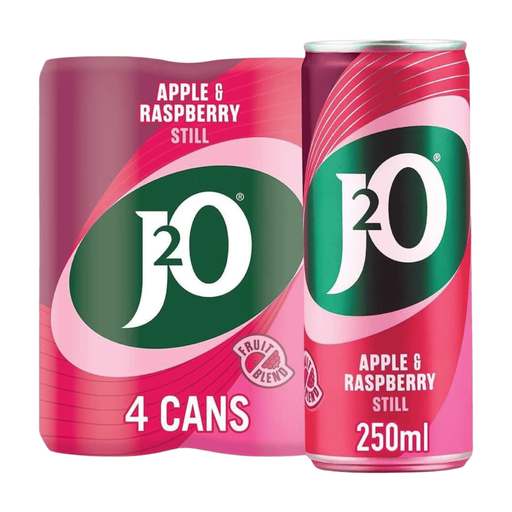
J2O Apple & Raspberry Fruit Blend Cans 4 × 250 ml
Four individual 250 ml cans provide a ready-to-drink option when guests will not be served from jugs. This is a soft drink, not squash; check the current can for ingredients and allergens before serving guests who need that information.
View on Joybuy
 No image available
Tango Apple Sugar-Free Cans 24 × 330 ml
This 24-pack offers individual 330 ml apple-flavoured cans rather than squash for dilution. If the sugar-free wording matters to your choice, read the current nutrition and ingredient information on the cans.
View on Joybuy
 No image available
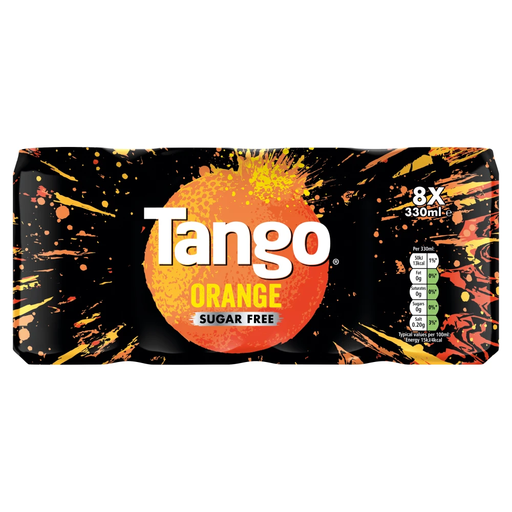
Tango Orange Sugar Free Cans 8 × 330 ml
Eight individual 330 ml orange-flavoured cans suit a ready-to-drink serving plan. They are carbonated soft drinks, not squash; use the current can label for ingredient and allergen checks.
View on Joybuy
 No image available
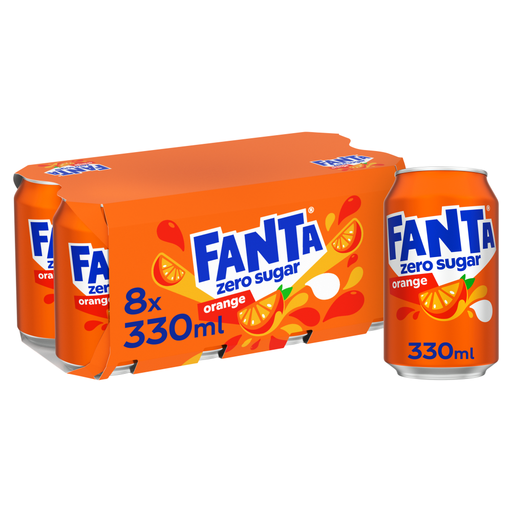
Fanta Orange Zero Sugar Cans 8 × 330 ml
This eight-pack provides individual 330 ml orange-flavoured soft drinks instead of squash for jugs. The listing’s nutrition information states 0.4 g sugars per 100 ml despite the Zero Sugar name; check the current can if that distinction affects your choice.
View on Joybuy
 No image available
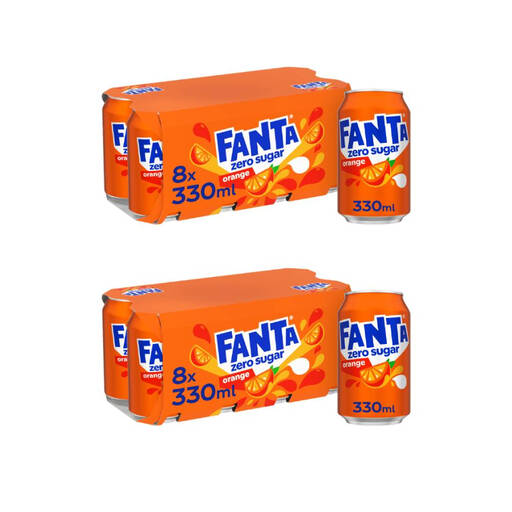
Fanta Orange Zero Sugar multipack (SKU 100016155256638)
These ready-to-drink orange soft-drink cans are an alternative to serving squash from jugs. The listing gives conflicting pack quantities of eight and 16 cans, so confirm the quantity before using this pack to plan party portions; check the current cans for ingredients and allergens.
View on Joybuy
Garden-party drinks questions
Is a multipack of fizzy drinks the same as canned squash?
No. A ready-to-drink fizzy drink is a separate soft-drink option, not concentrated squash in a can. M&S places sparkling cans in its wider soft-drinks selection separately from its squash range, so compare each drink using its own ingredients, nutrition and serving format.
How do I work out how much bottled squash to serve?
Start with the exact bottle’s dilution ratio and stated number and size of servings, rather than its volume alone. Sainsbury’s lists 120 servings at 1 part concentrate to 19 parts water for its 1.5 L quadruple-strength orange squash, compared with 20 servings at 1 part to 4 parts water for its Robinsons 1 L single-strength orange squash.
Should I check squash labels for sulphites?
Yes, check the current label of each drink if a guest needs allergen information. M&S lists E223 (sulphites) in its orange squash, while GOV.UK’s guidance for food businesses identifies sulphur dioxide and sulphites above 10 parts per million among regulated allergens; do not assume every squash or canned drink has the same ingredients.
What should I do with empty drink cans?
Recycle Now advises emptying and rinsing drink cans before recycling. Check the local collection arrangements for where the party is held.
How long should I keep an opened bottle of squash?
Follow the storage and after-opening instructions on the exact bottle. Guidance can differ between products and flavours, so check the current label when planning what to open for the party.


