Hosts offering lower-sugar choices
Keep water readily available, then add a flavoured zero-sugar option for guests who want one. A standard isotonic drink need not be the default at a party centred on food and conversation.


For a garden party where guests are mostly socialising, put out water first and offer zero-sugar sports drinks as an optional flavoured choice. NHS guidance identifies water as the preferred way to replace lost fluids; carbohydrate-containing isotonic drinks have a different role when guests are doing sustained exercise, and their sugar content makes the exact label worth checking.
Keep water readily available, then add a flavoured zero-sugar option for guests who want one. A standard isotonic drink need not be the default at a party centred on food and conversation.
Consider a carbohydrate-containing sports drink if the activity is sustained and participants specifically want a drink formulated for exercise. Brief games and socialising do not call for the same selection.
Read the panel for the exact flavour and bottle. Tesco lists Powerade Zero Berry Tropical with 0g sugars per 100ml, while its Lucozade Sport Zero Sugar Orange & Peach listing states zero sugar and 4 kcal per serving.
Choose when: Guests are mainly eating, talking or taking part in light activities, including on a warm day.
Trade-off: Water is not a carbohydrate-containing exercise drink.
Choose when: Adult guests want a flavoured sports-drink option without the sugar in a standard isotonic variety.
Trade-off: The reviewed zero-sugar varieties contain sweeteners and are not necessary for ordinary party hydration.
Choose when: Guests are exercising for a sustained period and want a drink containing carbohydrate and electrolytes.
Trade-off: Standard varieties contain sugar, so they are a different choice from zero-sugar drinks for casual refreshment.
| Priority | What to check | Your needs |
|---|---|---|
| Sugar and calories | Compare sugars per 100ml and the stated serving size. Check calories and sweeteners on the exact zero-sugar variety. | I want a flavoured choice without making a sugary isotonic drink the default for guests who are socialising. |
| Activity level | Distinguish a drink containing carbohydrate for exercise from water or a zero-sugar option. Check the formulation rather than relying on the word “sport”. | Guests doing sustained exercise may want an exercise drink; for a quiet afternoon, I would offer water first. |
| Warm-weather drinks | Keep water accessible and offer fluids regularly. UK Health Security Agency hot-weather guidance advises drinking plenty of fluids and limiting alcohol. | On a hot day, I want non-alcoholic drinks within easy reach throughout the party. |
| Ingredients and warnings | Read the current ingredient list and any sweetener, age or cap warnings. Check the exact product rather than assuming all flavours share a formulation. | With different guests choosing from one table, I want them to be able to inspect the pack for ingredients that matter to them. |
| Serving and storage | Decide whether guests can take a ready-to-drink bottle or will need water and a cup to mix a sachet. Follow the pack’s instructions for opened bottles. | If people will serve themselves, I want the drink format and preparation steps to be clear. |
Standard and zero-sugar bottles are not nutritionally interchangeable. Coca-Cola GB lists 4.1g sugars per 100ml for Powerade Berry & Tropical, while Asda lists 3.5g per 100ml for Lucozade Sport Orange.
Keep water, zero-sugar choices and carbohydrate-containing exercise drinks distinct on the table. Read the label for each flavour and size.
Hot weather makes access to fluids important, but an exercise formulation does not replace the need to provide ordinary drinks. NHS guidance identifies water as the preferred way to replace lost fluids.
Put water where guests can reach it and offer it regularly. Add sports drinks according to preference or actual exercise plans.
The reviewed zero-sugar varieties contain sweeteners, which guests may wish to check on the ingredient list.
Leave the pack available to read and offer plain water alongside flavoured drinks.
Individual bottles, multipacks and drinks mixed from sachets involve different serving arrangements. A particular flavour or pack format may also vary by retailer.
Check the pack size and current listing before shopping, and make sure water and cups are available if you choose sachets.
These examples help distinguish drink formulations and shopping formats; a retailer listing does not guarantee a product will be available for your party.
The UK range includes standard isotonic drinks and Zero Sugar varieties positioned for different activity levels.
The range includes a standard isotonic drink and a Zero Berry Tropical option.
Gatorade UK describes Hydration Booster as a sachet product mixed into water, rather than a ready-to-serve bottle.
Its sports-drinks listings include single bottles and multipacks across standard and zero-sugar varieties.
Its listings provide label details for standard Lucozade Sport Orange and Zero Sugar Orange & Peach.
Its Lucozade Sport Zero Sugar listing is another reference for the Orange & Peach variety.
These Joybuy options cover drinks mixed from sachets and ready-to-drink bottles. For a garden party, choose between those serving formats and check each product’s sugar information against what your guests want.
 No image available
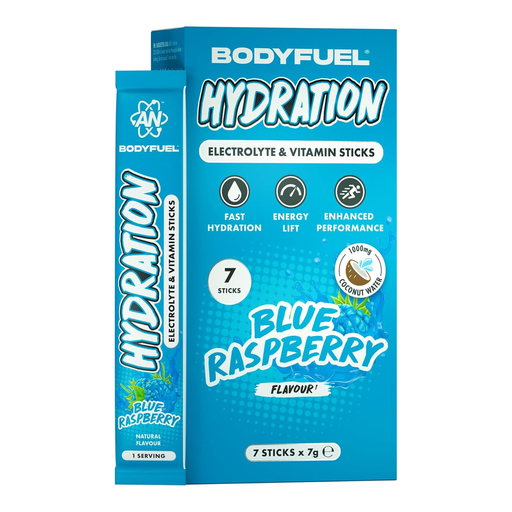
Individually portioned sticks could work when guests are happy to mix their own drink with water. Check the current nutrition label for the finished drink; the product information says this mix is not recommended for children or pregnant women.
 No image available
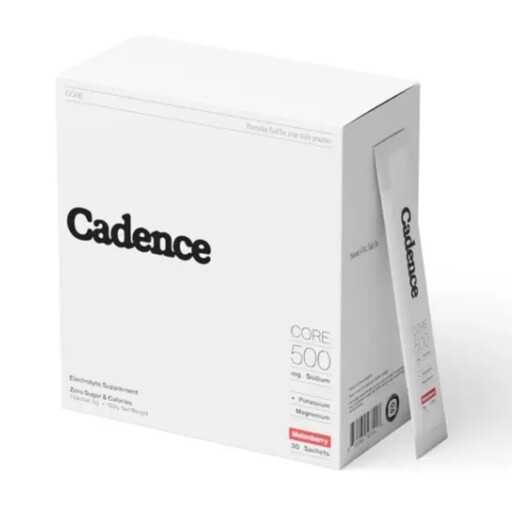
The portioned pack suits drinks made to order, provided water and cups are available. Check the pack’s format and ingredients before buying: the product information describes sachets but also names carbonated spring water in its ingredient list.
No image available
These sachets require water and preparation, so they suit serving drinks to order rather than stocking a table with ready-to-drink bottles. Do not treat the product as sugar-free: check the sugar and salt figures per sachet, particularly if a guest needs to limit sodium.
 No image available
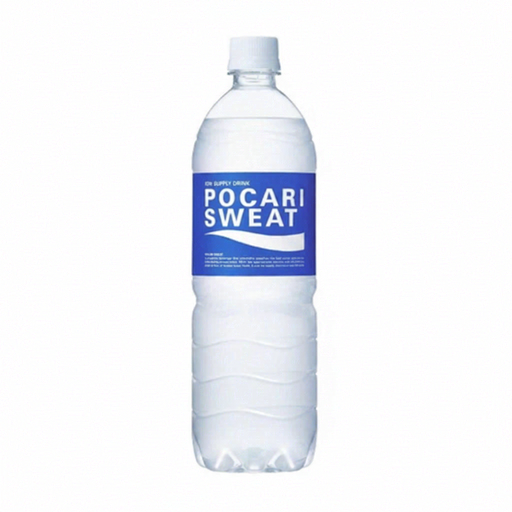
This ready-to-serve bottle is an option to consider for guests doing sustained activity rather than as the lower-sugar default for socialising. Check its carbohydrate and sugar information on the bottle, and keep water available for everyone.
 No image available
The ready-to-drink multipack is a conditional choice for guests who want a carbohydrate-containing drink during sustained activity. Asda lists 3.5g sugars per 100ml for Lucozade Sport Orange, so do not place it among zero-sugar options; follow the pack’s instructions for opened bottles.
Not for ordinary social refreshment: put out water first. NHS guidance identifies it as the preferred way to replace lost fluids. A zero-sugar sports drink can be an optional flavoured choice, while a carbohydrate-containing isotonic drink is more relevant when someone is doing sustained exercise.
Both reviewed varieties are listed as zero sugar, but they have different labels. Tesco lists Powerade Zero Berry Tropical with 0g sugars per 100ml and describes it as calorie-free; its Lucozade Sport Zero Sugar Orange & Peach listing states 4 kcal per serving. Check the exact pack for ingredients and serving size.
Consider a standard carbohydrate-containing variety when a guest is doing prolonged or vigorous activity and wants an exercise drink. Asda lists approximately 16g carbohydrate per 250ml serving for Lucozade Sport Orange, while Coca-Cola GB lists 4.1g sugars per 100ml for Powerade Berry & Tropical; neither is equivalent to its zero-sugar counterpart.
Follow the storage directions on the exact bottle. The reviewed Lucozade Sport product information says to refrigerate after opening and consume within four days; instructions for other drinks may differ.
Read each pack’s age and cap warnings, and supervise young children around bottles and loose caps where a choking warning applies. Product suitability can differ: the Applied Nutrition stick listing, for example, says it is not recommended for children.