Hosts setting out a grazing table
If guests will help themselves over several hours, choose how much to put in each bowl and whether a scoop or individual packs would make portions easier to judge.


Nuts are not inherently low in calories, so a measured serving matters more than the size of the sharing pack. Among three retailer products labelled per 25g, Tesco Almonds list 142kcal, ASDA Chopped Mixed Nuts 151kcal and Tesco Mixed Nuts 165kcal; for a garden party, also consider whether guests want whole nuts, individual portions or an alternative to nut-containing food.
If guests will help themselves over several hours, choose how much to put in each bowl and whether a scoop or individual packs would make portions easier to judge.
Check the serving weight as well as the calorie figure. The British Heart Foundation says a 30g handful of nuts can contain 180–225kcal, depending on the type.
Check each product’s current ingredients and may-contain statement. Keep packaging available and use separate bowls and utensils for any alternative offered to guests who cannot eat nuts.
Decide on the portion you will serve, then compare labels on the same weight basis before choosing a format for the table.
| Priority | What to check | Your needs |
|---|---|---|
| Serving calories | Check both kcal and grams per serving. Tesco lists 142kcal per 25g for Almonds and 165kcal per 25g for Mixed Nuts; ASDA lists 151kcal per 25g for Chopped Mixed Nuts. | I want to compare the amount guests will actually take, rather than treat a 25g serving and a 30g serving as equal. |
| Portion format | Check pack weight and whether individual packs, small bowls or a scoop suit the way guests will serve themselves. | For a long grazing session, I would rather make each helping visible than leave one large bowl to be topped up repeatedly. |
| Seasoning | Read the ingredients and salt figure on the exact pack. A plain nut product and a salted or coated version should not be assumed to have the same nutrition values. | I want guests to have a choice that does not rely on a salted or sweet coating. |
| Allergens | Check named ingredients and may-contain wording on every current pack. Mixed products can contain several kinds of nut, and the ASDA chopped mix includes peanuts, almonds and walnuts. | If someone cannot eat nuts, I need a separate suitable snack and serving utensils, not a bowl with visible nuts picked out. |
A large helping can be quite different from the portion on the label. The British Heart Foundation puts a 30g handful of nuts at 180–225kcal, depending on type.
Decide on a serving weight before filling bowls, and compare products using that weight.
“Roasted” or “honey-roasted” does not tell you the full ingredients or nutrition values.
Compare the current ingredients, kcal and salt panels with those of the plain option you are considering.
A mixed product may contain more allergens than its front-of-pack name suggests. ASDA Chopped Mixed Nuts, for example, contain peanuts, almonds and walnuts.
Keep the pack available for guests to check, label bowls clearly and use separate utensils for an alternative snack.
A calorie figure for 30g cannot be directly ranked against one for 25g as though both represent the same helping.
Use the per-100g figures or calculate each product for the same intended serving weight.
These product examples illustrate different pack and serving formats; their labels should be checked again when buying.
Its listed Almonds 25G offer a ready-sized portion, while Mixed Nuts 250G can be divided among guests.
Chopped Mixed Nuts 150g are a format to consider for measured toppings rather than a bowl of whole nuts.
Fairtrade Cashew Nuts 100g provide a single-variety option for guests who want cashews.
The 75g Nut Collection offers a mix of almonds, Brazil nuts, cashews and hazelnuts.
Its peanut Snack Packs offer an individual-pack format instead of a communal bowl.
These options include chestnut packs, chopped mixed nuts and salted peanuts. Choose by the serving format and ingredients you want, and compare nutrition labels on a common weight basis.
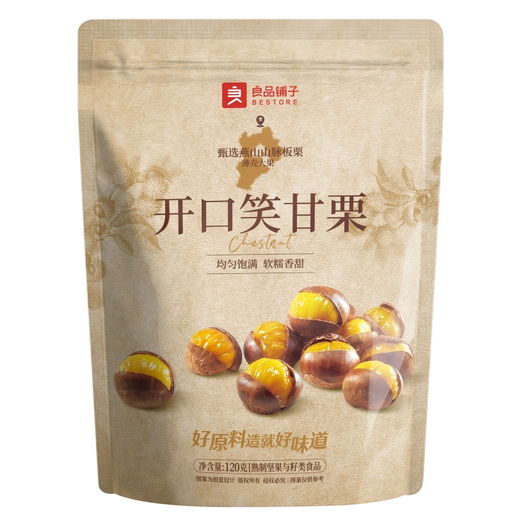 No image available
A 120g chestnut bag to divide into portions for a shared table. Check the pack’s nutrition and allergen information before deciding how to serve it.
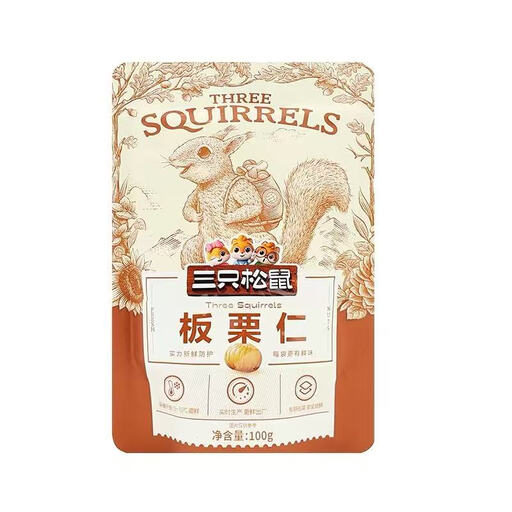 No image available
A 100g pack of chestnut kernels that can be divided into smaller servings. Compare its stated kcal per 100g or per serving with other packs before choosing a portion.
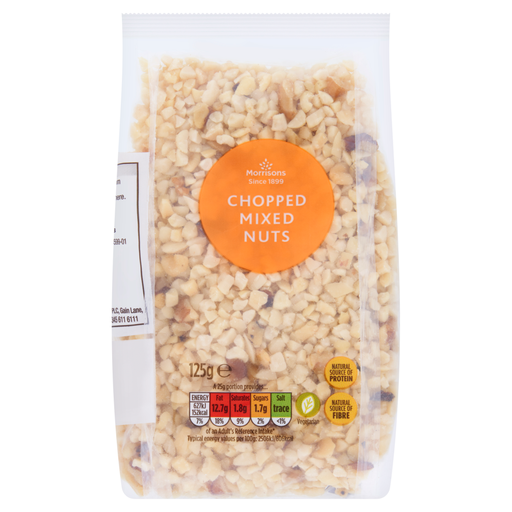 No image available
The chopped 125g mix can be measured out as a topping rather than offered as whole nuts in a grazing bowl. Check the pack for its precise ingredients and allergen warnings.
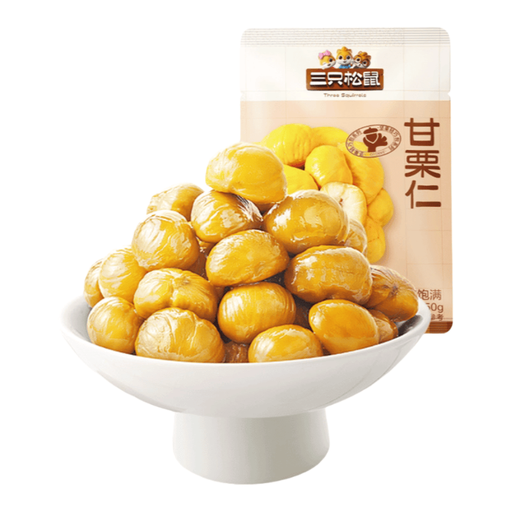 No image available
The 50g pack is a smaller chestnut option for an individual serving or a small table. Check its labelled serving weight before comparing calories with larger packs.
 No image available
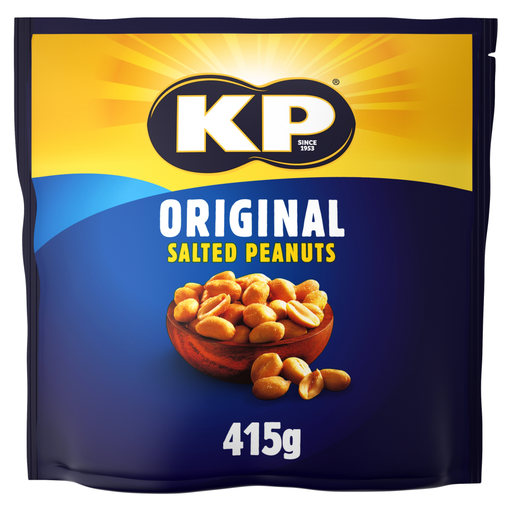
This 415g salted-peanut pack can be divided among guests. If salt is a deciding factor, compare its nutrition panel with a plain alternative and serve measured portions.
Not automatically. The British Heart Foundation says a 30g handful can contain 180–225kcal depending on the nut, so choose a serving amount rather than judging calories by the size of the bowl.
Compare kcal for the same weight, then decide how much you will serve. Tesco lists 142kcal per 25g for Almonds and 165kcal per 25g for Mixed Nuts; ASDA lists 151kcal per 25g for Chopped Mixed Nuts. Sainsbury’s lists its Fairtrade Cashew Nuts at 180kcal per 30g, which is a different serving basis.
Choose by comparing the exact packs’ ingredients, kcal and salt values. A plain product avoids relying on a coating for flavour, but its portion size still determines how much is served.
Check every current pack’s ingredients and may-contain statement, keep the packaging available and use separate labelled bowls and utensils for a suitable alternative. Do not assume a mixed product is suitable after removing visible pieces: Tesco Mixed Nuts contain several tree nuts, while ASDA Chopped Mixed Nuts contain peanuts, almonds and walnuts.