
24/7 Customer Support

Free returns

Same-day & Next-day Delivery

Quality Guaranteed

Unlock Your Welcome Offers: FREE Delivery | Up to 80% OFF | Free 30-day JoyPlus trial
Download the APP
Choosing the right garden planters can transform a patio, balcony or indoor space, but it's easy to make a costly mistake. Many outdoor plant pots that look great on the shop floor can quickly become a source of frustration. As a Joybuy Product Recommendation Officer, my role is to help you see past the marketing and focus on what truly matters for a lasting, beautiful display in your UK home or garden.
Before you buy, be aware of these common pitfalls that lead to disappointment:
To ensure your chosen planters are a sound investment, focus on these core features. Getting them right means your pots will perform well for years, not just a single season.
The material of your planter dictates its weight, durability and maintenance needs.
The shape of your planter should be a practical decision, not just an aesthetic one.
Here are a few options from our collection, matched to different needs and spaces.
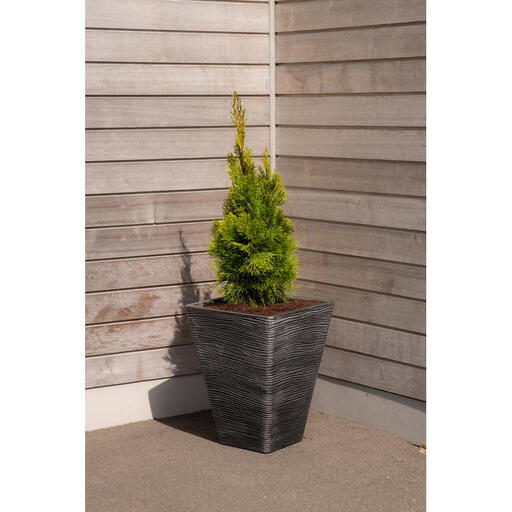
Why This Fits Their Persona: This user wants a sleek, contemporary look without the impracticality of heavy stone. This large but lightweight planter is perfect for creating a statement on a balcony or patio and can be moved easily to change layouts or chase the sun.
It delivers the modern aesthetic of a stone planter while avoiding the "weight trap." Being made of recycled plastic, it is frost-resistant and UV-stable, countering the "weather-resistant myth" of inferior materials.
The pewter stone-effect finish provides a sophisticated look, while the recycled plastic construction makes it durable and easy to handle.
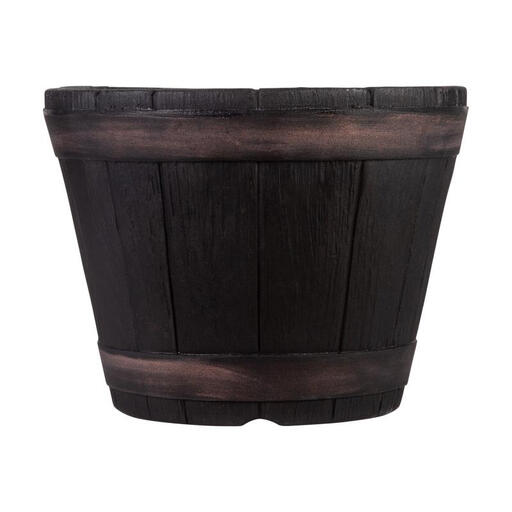
Why This Fits Their Persona: This person loves the traditional look of a wooden barrel for their cottage garden or patio but doesn't have the time or desire for the upkeep. This planter gives them the classic aesthetic without the work.
It directly solves the "high-maintenance material illusion." The oakwood-effect plastic will not rot, warp or require annual sealing like a real wooden planter, offering a durable, long-term solution.
Provides an authentic wood-grain appearance without the risk of rot or fading. It is lightweight for easy placement and suitable for year-round outdoor use.
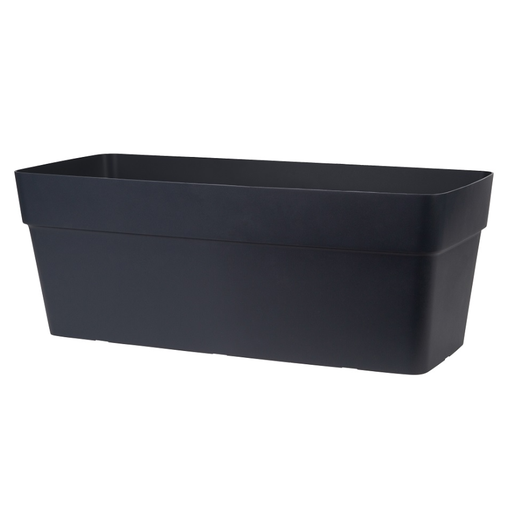
Why This Fits Their Persona: This user needs a functional planter for a kitchen garden or to create a floral border. The trough shape is ideal for planting in rows and fits perfectly on a patio, balcony or under a window.
It avoids the "wrong shape for the job" trap by providing an elongated planting space perfect for herbs or border flowers. Its durable plastic construction ensures it won't crack in the frost or fade.
The 60cm length offers generous planting room in a compact footprint. The modern charcoal colour provides a neutral backdrop that makes plants stand out.
We have compiled a complete, real-time list of products that fully satisfy these strict selection criteria and UK safety regulations.
1. Do all outdoor garden planters need drainage holes? For almost all plants, yes. Proper drainage is crucial in the UK's often-rainy climate to prevent soil from becoming waterlogged, which can lead to root rot. If a planter you like doesn't have holes, you can usually drill them yourself using an appropriate drill bit for the material. For plastic or resin, a standard drill bit works well; for ceramic or terracotta, you will need a masonry bit.
2. How can I stop my plastic planters from fading or going brittle? The key is to choose planters made from UV-stabilised or UV-resistant plastic. This means the material has additives that protect it from degradation caused by the sun's ultraviolet rays. Cheaper, non-stabilised plastics will lose their colour and become brittle over a couple of seasons, whereas a quality UV-resistant pot will maintain its appearance and structural integrity for many years.