
24/7 Customer Support

Free returns

Same-day & Next-day Delivery

Quality Guaranteed

Unlock Your Welcome Offers: FREE Delivery | Up to 80% OFF | Free 30-day JoyPlus trial
Download the APP
Choosing garden planters is not simply a matter of picking a colour that matches your patio furniture. The wrong container can become unstable when filled, hold too much rainwater, restrict root growth or demand more maintenance than expected. For UK gardens, where wet winters, wind and changing temperatures are common, practical specifications matter as much as appearance.
This guide from the Joybuy Product Recommendation Officer highlights the main buying traps, explains the measurements worth checking and matches several outdoor planters to different gardening needs.
Wood-effect finishes, stone-style surfaces and decorative shapes can look convincing online, but they do not necessarily indicate how a planter will perform outdoors. Check the actual material, dimensions and care instructions before buying.
A real wooden planter may offer natural character but usually needs periodic treatment. By contrast, recycled plastic planters can provide a lighter, lower-maintenance alternative. The finish is important, but it should not distract from drainage, capacity or stability.
A planter that feels easy to move when empty may become difficult to reposition once filled with compost, water and mature plants. Tall containers, including a trellis planter, can also catch wind.
Look for a broad, stable base and place larger planters on a level surface. Tall designs should be positioned where the trellis or upper structure is protected from strong gusts. Never use the trellis as a support for climbing, hanging or leaning.
A decorative container is not automatically suitable for every plant. Herbs and many flowering plants need free-draining compost, while shrubs may require greater depth for their root systems. A shallow planter trough may suit seasonal flowers, but it may not provide enough space for a deep-rooted shrub.
Before purchase, check whether the planter has drainage openings or whether drainage needs to be added according to the manufacturer’s instructions. Standing water can increase the risk of waterlogging, particularly during prolonged UK rainfall.
Measure the area where the container will stand, allowing enough room to walk around it and access nearby doors or paths. For balconies and small patios, the footprint is especially important.
Capacity is also useful. A 45-litre container can support a substantial display of flowers, herbs or vegetables, but it will be considerably heavier when filled. Narrow balcony planters and long troughs can make use of limited horizontal space, while round barrel designs offer depth for shrubs and feature plants.
Consider:
Wooden planters can complement cottage-style gardens, patios and traditional entrances. However, solid wood should be inspected and treated with a suitable preservative or sealant to help protect it from moisture and weather exposure.
Plastic containers are generally lighter and easier to reposition. Some weather-resistant planters use recycled plastic and are designed to resist rot, splitting, moisture damage and fading. This can be useful for renters, balcony gardeners or anyone who wants to change seasonal arrangements without lifting a heavy timber container.
The heavier the planting arrangement, the more important the base and location become. Place raised containers on stable, level ground and avoid positioning tall designs in exposed corridors where wind can act on leaves and trellis panels.
For a raised garden planter, check how easily you can reach the soil and whether the height suits the plants you intend to grow. For climbing plants, ensure the trellis is close to a wall or another suitable support where appropriate.
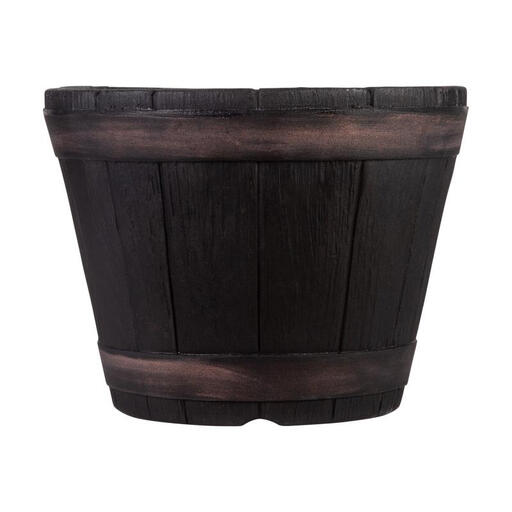
Why This Fits Their Persona: A compact option for first-time container gardeners, front-door displays and smaller patios where a traditional timber look is wanted without the weight of genuine wood.
It uses recycled plastic rather than real timber, avoiding routine wood treatment and the risk of warping or rot associated with untreated wood.
Recycled plastic construction; oakwood-effect appearance; lightweight format for easier repositioning.
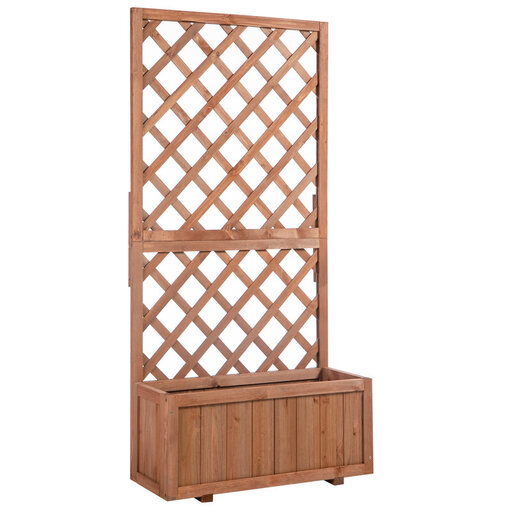
Why This Fits Their Persona: Suits gardeners who want a substantial wooden feature for a patio, porch, greenhouse or garden and plan to grow flowers, herbs, vegetables or climbing plants.
Its stated 45-litre capacity and listed dimensions make planning easier, while the care guidance clearly identifies the need for preservative or sealant.
Solid wood construction; 45-litre planting volume; integrated decorative trellis; customisable surface.
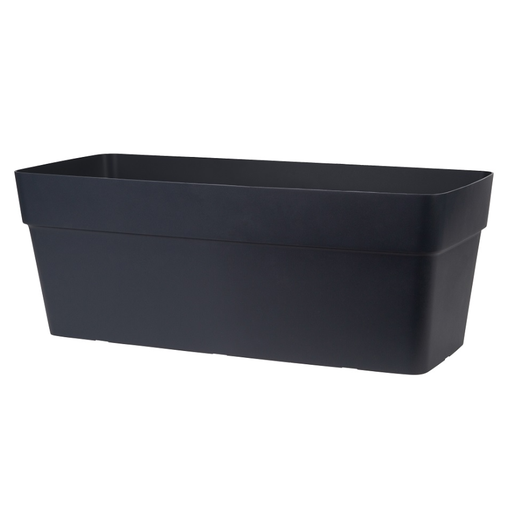
Why This Fits Their Persona: A practical match for repeated seasonal planting, herb displays, balcony layouts and patio borders where a long, structured container is more useful than a round pot.
The 60cm by 25cm footprint is clearly stated, helping buyers check narrow spaces before ordering instead of relying on photographs for scale.
45-litre capacity; recycled plastic; charcoal finish; suitable for grouped flowers, herbs and trailing plants.
For a lighter, low-maintenance approach, recycled plastic is worth considering. The Strata Barrel Planter Trough, for example, combines an elongated shape with an oakwood-effect finish and recycled plastic construction. Always check the specific product listing for drainage details, measurements and planting suitability before filling.
We have compiled a complete, real-time list of products that fully satisfy these strict selection criteria and UK safety regulations.
Check the product instructions first. Use suitable compost for the plant type and ensure excess water can drain away. Place the container on a level surface, keep it clear of obstructing paths and secure tall or trellis-style planters where necessary.
Lifespan depends on material, exposure, weight and maintenance. Solid wood may need regular sealing or preservative treatment. Recycled plastic is less vulnerable to rot and moisture absorption, but it should still be cleaned and checked for damage after severe weather.
They can require more frequent watering than plants established in open ground because containers have a limited soil volume and may dry more quickly during warm, windy weather. Larger containers generally hold more compost and moisture, while mulching the surface can help reduce evaporation. Adjust watering to the plant, season and weather rather than following a fixed daily routine.